Gatari Amavasya 2026 – Complete Guide
Gatari Amavasya 2026 is an important observance celebrated primarily in Maharashtra and several parts of Western India. Falling on the Amavasya (New Moon Day) before the commencement of the holy month of Shravan, this day holds deep cultural, spiritual, and traditional significance. It marks the conclusion of worldly indulgences and serves as a symbolic transition into a month dedicated to devotion, fasting, prayer, and self-discipline.
For devotees and families, Gatari Amavasya is a time to honor traditions, seek blessings from ancestors, and prepare spiritually for the sacred Shravan period. The observance combines religious customs with regional cultural practices that have been followed for generations.
When is Gatari Amavasya 2026?
Gatari Amavasya in 2026 will be observed on the New Moon day preceding the beginning of Shravan Maas according to the Hindu lunar calendar.
The exact tithi timings may vary based on geographical location and local Panchang calculations. Devotees are advised to consult their regional Panchang for precise observance timings.
Meaning of Gatari Amavasya
The word “Gatari” originates from Marathi culture and signifies the final day before the beginning of Shravan, a month considered highly auspicious in Hinduism.
Traditionally, Shravan is dedicated to:
- Worship of Lord Shiva
- Observance of fasts
- Spiritual practices
- Charity and devotion
- Religious discipline
Since many people abstain from non-vegetarian food and certain pleasures during Shravan, Gatari Amavasya became associated with enjoying a final feast before entering the sacred month.
Over time, the day evolved into a unique blend of cultural celebration and religious preparation.
Religious Significance of Gatari Amavasya

Connection with Shravan Maas
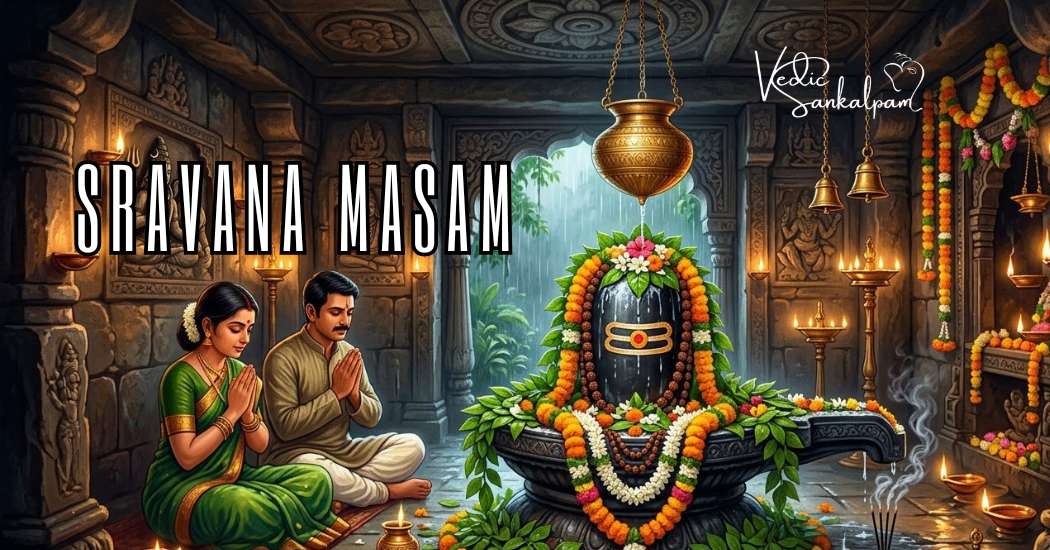
The significance of Gatari Amavasya lies in its role as a spiritual gateway into Shravan Maas. The month of Shravan is considered one of the most sacred periods in the Hindu calendar.
During Shravan:
- Temples witness increased worship.
- Devotees observe fasting rituals.
- Special prayers are offered to Lord Shiva.
- Pilgrimages and religious ceremonies become more frequent.
Gatari Amavasya serves as the final day of ordinary worldly activities before entering this spiritually elevated period.
Importance of Amavasya
Amavasya days are traditionally associated with:
- Ancestor worship
- Spiritual cleansing
- Charity and donations
- Meditation and introspection
- Removal of negative energies
The absence of moonlight symbolizes a period of reflection, renewal, and preparation for positive transformation.
Mythological Importance of Gatari Amavasya
Although Gatari Amavasya is more cultural than mythological, its observance aligns with broader Hindu beliefs regarding Amavasya.
Ancient scriptures emphasize that Amavasya is an ideal time for:
- Performing Pitru Tarpan
- Remembering ancestors
- Offering prayers for departed souls
- Seeking family prosperity and protection
Many families conduct rituals dedicated to their forefathers, believing that ancestral blessings contribute to peace, success, and harmony.
Gatari Amavasya 2026 Puja Vidhi
Morning Purification Rituals
Devotees begin the day with:
- Early morning bath.
- Cleaning the home and prayer area.
- Wearing fresh and traditional clothes.
- Preparing offerings for deities and ancestors.
Purity of body and mind is considered essential before performing religious activities.
Pitru Tarpan Ritual
One of the most significant practices on Gatari Amavasya is Pitru Tarpan.
The ritual generally involves:
- Offering water mixed with black sesame seeds.
- Reciting prayers for ancestors.
- Expressing gratitude toward departed family members.
- Seeking blessings for family well-being.
Many devotees perform these rites near rivers, ponds, or sacred water bodies.
Offering Food to Ancestors
Traditional foods are prepared and symbolically offered to ancestors.
These offerings often include:
- Rice
- Fruits
- Sweets
- Seasonal dishes
- Traditional Maharashtrian preparations
After the rituals, food may be distributed among family members and those in need.
Charity and Donations
Donations hold immense significance on Amavasya.
Popular charitable acts include:
- Feeding the poor
- Donating food grains
- Offering clothes to the needy
- Supporting temples and religious institutions
- Providing assistance to elderly individuals
Such acts are believed to bring spiritual merit and ancestral blessings.
Traditional Celebrations of Gatari Amavasya
Family Gatherings
Families often come together to celebrate the occasion through meals, prayers, and social interaction.
The day strengthens:
- Family bonds
- Cultural identity
- Community traditions
- Intergenerational relationships
Many households preserve recipes and customs that have been passed down through generations.
Special Foods Prepared on Gatari Amavasya
Food plays a notable role in Gatari Amavasya celebrations.
Popular dishes include:
Non-Vegetarian Delicacies
In many Maharashtrian households, people traditionally enjoy:
- Chicken curries
- Mutton preparations
- Fish dishes
- Traditional regional recipes
This practice developed because many families observe vegetarian diets throughout Shravan.
Vegetarian Festive Foods
Several families also prepare:
- Puran Poli
- Kheer
- Modak
- Bhaji
- Rice-based dishes
These meals symbolize abundance and celebration before the spiritual austerity of Shravan.
Spiritual Benefits of Observing Gatari Amavasya
Preparation for Spiritual Discipline
Gatari Amavasya acts as a mental and spiritual transition into a sacred month.
Devotees use this day to:
- Reflect on personal conduct.
- Set spiritual goals.
- Practice gratitude.
- Prepare for fasting and worship.
Receiving Ancestors’ Blessings
According to Hindu traditions, prayers offered on Amavasya help strengthen the connection between descendants and ancestors.
Benefits believed to arise include:
- Family harmony
- Protection from obstacles
- Improved prosperity
- Emotional peace
- Spiritual growth
Removal of Negative Influences
Many spiritual practitioners believe that Amavasya rituals assist in:
- Purifying the mind
- Releasing negativity
- Improving concentration
- Enhancing devotional practices
Regular observance fosters inner balance and positivity.
Dos and Don’ts on Gatari Amavasya
Dos
- Wake up early.
- Take a holy bath.
- Offer prayers to ancestors.
- Perform Tarpan rituals.
- Donate food and clothing.
- Visit temples if possible.
- Maintain a respectful and peaceful attitude.
Don’ts
- Avoid disrespecting ancestral traditions.
- Refrain from unnecessary arguments.
- Do not engage in harmful actions.
- Avoid negative speech and thoughts.
- Do not neglect charity if circumstances allow.
Importance of Shravan After Gatari Amavasya
Immediately following Gatari Amavasya, the sacred month of Shravan begins.
Shravan is associated with:
- Lord Shiva worship
- Monday fasts (Shravan Somvar)
- Rudrabhishek rituals
- Temple visits
- Recitation of Shiva mantras
- Spiritual purification
Many devotees undertake vows and religious commitments throughout the month to seek divine blessings and personal transformation.
Astrological Perspective of Gatari Amavasya
From an astrological viewpoint, Amavasya represents a period of introspection and renewal.
Spiritual practitioners often engage in:
- Meditation
- Mantra chanting
- Prayer
- Self-analysis
- Energy cleansing practices
The new moon phase is considered favorable for letting go of negativity and beginning a fresh spiritual cycle.
Why Gatari Amavasya Remains Relevant Today
Even in modern times, Gatari Amavasya continues to hold cultural and spiritual importance.
The observance reminds people to:
- Stay connected to their roots.
- Respect family traditions.
- Honor ancestors.
- Practice gratitude.
- Prepare for spiritual growth.
Its unique combination of celebration, reflection, and devotion makes it one of the most meaningful observances before the arrival of Shravan Maas.
Conclusion
Gatari Amavasya 2026 is far more than a traditional pre-Shravan celebration. It represents a sacred transition from worldly enjoyment to spiritual dedication. Through ancestral worship, charitable acts, family gatherings, and preparation for Shravan Maas, devotees embrace a powerful opportunity for renewal and inner growth. Observing this auspicious Amavasya with sincerity helps cultivate gratitude, strengthen family bonds, and invite divine and ancestral blessings for the months ahead.
Explore more Hindu festival dates, vrat rituals, Panchang details, and spiritual guides to deepen your understanding of India’s rich religious traditions.
FAQs
1. What is the exact date of Gatari Amavasya in 2026?
Gatari Amavasya falls on August 12, 2026, a Wednesday, marking the last day of the Ashada month before Shravan begins.
2. Why is it called Gatari Amavasya?
The name likely derives from colloquial Marathi, possibly linked to “gatar” (drain), a playful reference to the indulgent drinking and feasting associated with the day before Shravan’s restrictions begin.
3. Is Gatari Amavasya the same as Hariyali Amavasya?
Yes, both refer to the same lunar day, just observed under different regional names and customs — Gatari in Maharashtra and Hariyali Amavasya predominantly in northern states like Uttar Pradesh, Rajasthan, and Himachal Pradesh.
4. What do people typically eat or do on Gatari Amavasya?
Many households enjoy non-vegetarian meals and sometimes alcohol as a final indulgence, while others focus on ancestral rituals like Tarpan, lamp worship, and charity before Shravan’s vegetarian and disciplined practices begin.
5. Why does Gatari Amavasya fall right before Shravan month?
Its timing marks a calendar transition point, giving people a final day to enjoy dietary freedoms before voluntarily adopting fasting, vegetarianism, and devotional restraint throughout the sacred Shravan month dedicated to Lord Shiva