loading

Category: YAGYA

  • Home
  • Category: YAGYA

Gayatri Yagya Benefits: A Spiritual Guide to Peace and Prosperity

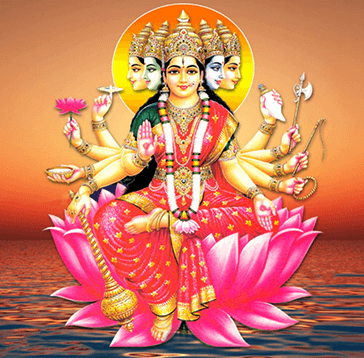
The Gayatri Yagya is one of the most sacred and powerful rituals in Hinduism. It is performed to invoke the blessings of Gayatri Mata, the goddess of wisdom and enlightenment. This ancient practice is believed to bring peace, prosperity, and spiritual growth to those who participate in it. In this article, we’ll explore the benefits of Gayatri Yagya in simple words and why it holds such significance in Hindu culture.


What is Gayatri Yagya?

Gayatri Yagya is a Vedic ritual that involves chanting the Gayatri Mantra and offering prayers to the divine energy of Gayatri Mata. The Gayatri Mantra is one of the most powerful mantras in Hinduism and is found in the Rigveda. The Yagya (or Yajna) is a fire ritual where offerings like ghee, grains, and herbs are made into the sacred fire while chanting the mantra.


The Power of the Gayatri Mantra

Gayatri Yagya Benefits

The Gayatri Mantra is as follows:
“Om Bhur Bhuvah Swah, Tat Savitur Varenyam, Bhargo Devasya Dheemahi, Dhiyo Yo Nah Prachodayat.”

ॐ भूर्भुवः स्वः
तत्स॑वि॒तुर्वरे॑ण्यं॒
भर्गो॑ दे॒वस्य॑ धीमहि।
धियो॒ यो नः॑ प्रचो॒दया॑त्॥

This mantra is a prayer for enlightenment and wisdom. It is believed to purify the mind, body, and soul, and connect the devotee with the divine energy of the universe.


Benefits of Gayatri Yagya

1. Spiritual Growth

  • The Gayatri Yagya helps in awakening spiritual consciousness.
  • It removes negative energies and fills the mind with positivity.

2. Mental Peace and Clarity

  • Chanting the Gayatri Mantra calms the mind and reduces stress.
  • It improves focus, concentration, and decision-making abilities.

3. Health and Well-being

  • The ritual is believed to purify the environment and promote physical health.
  • It boosts immunity and helps in healing various ailments.

4. Prosperity and Success

  • Gayatri Yagya is said to remove obstacles and bring success in life.
  • It attracts positive energy and blessings for wealth and prosperity.

5. Protection from Negative Forces

  • The sacred fire and mantras create a protective shield around the participants.
  • It wards off evil energies and ensures safety.

6. Family Harmony

  • Performing Gayatri Yagya strengthens family bonds and promotes harmony.
  • It brings peace and happiness to the household.

7. Environmental Benefits

  • The offerings made during the Yagya purify the air and surroundings.
  • It promotes ecological balance and positive energy in the environment.

How is Gayatri Yagya Performed?

  1. Preparation: A sacred fire (Agni) is lit, and the area is purified with Vedic chants.
  2. Offerings: Ghee, grains, herbs, and other sacred items are offered into the fire.
  3. Chanting: The Gayatri Mantra is chanted 108 times by the priest and participants.
  4. Prayers: Devotees pray for their well-being and the well-being of their loved ones.
  5. Conclusion: The ritual ends with aarti and distribution of prasad (blessed food).

Who Can Perform Gayatri Yagya?

  • Gayatri Yagya can be performed by anyone, regardless of age or gender.
  • It is often conducted for individuals, families, or communities to seek collective blessings.

Tips for Attending a Gayatri Yagya

  • Dress Modestly: Wear clean and traditional attire as a mark of respect.
  • Stay Focused: Participate with a calm and focused mind to absorb the positive energy.
  • Follow Instructions: Listen to the priest and follow the rituals carefully.
  • Bring an Open Heart: Approach the Yagya with sincerity and devotion.

Conclusion

The Gayatri Yagya is a powerful spiritual practice that offers numerous benefits, from mental peace and physical health to prosperity and success. By participating in this sacred ritual, you can connect with the divine energy of Gayatri Mata and experience profound transformation in your life.

Whether you’re seeking spiritual growth, family harmony, or protection from negative forces, the Gayatri Yagya is a timeless tradition that can guide you toward a brighter and more fulfilling future.

Health Yagyas: A Simple Guide to Healing Through Sacred Fire Rituals

Health Yagyas are ancient Vedic fire rituals performed to promote physical, mental, and spiritual well-being. These sacred ceremonies involve offering herbs, grains, and ghee into a fire while chanting powerful mantras. In this article, we’ll explain what Health Yagyas are, their benefits, and how they can improve your health. Written in simple words, this guide will help you understand the power of these healing rituals.


What are Health Yagyas?

Health Yagyas
Health Yagyas

Health Yagyas, also known as Ayurvedic Yagyas or Healing Yagyas, are special fire rituals rooted in Vedic traditions. They are performed to invoke divine blessings for healing and well-being. The word “Yagya” means a sacred offering, and in these rituals, offerings are made to the fire while chanting mantras to purify the environment and the individual.


How Do Health Yagyas Work?

Health Yagyas work on the principle of energy healing. Here’s how they help:

  1. Sacred Fire (Agni): The fire acts as a medium to carry offerings and prayers to the divine.
  2. Mantras: Chanting specific mantras creates positive vibrations that promote healing.
  3. Herbs and Offerings: The herbs and grains used in Yagyas release healing properties when burned, purifying the air and energy around you.

Benefits of Health Yagyas

Health Yagyas offer numerous benefits for your body, mind, and soul:


1. Physical Healing

  • Boosts Immunity: The herbs used in Yagyas have medicinal properties that strengthen the immune system.
  • Improves Respiratory Health: The smoke from Yagyas purifies the air and can help with respiratory issues.
  • Detoxifies the Body: The ritual helps remove toxins from the body and promotes overall health.

2. Mental and Emotional Well-Being

  • Reduces Stress: The calming effect of mantras and the ritual helps reduce stress and anxiety.
  • Improves Focus: Yagyas enhance mental clarity and concentration.
  • Promotes Peace: The positive energy created during the ritual brings inner peace and harmony.

3. Spiritual Growth

  • Connects You to the Divine: Yagyas help you connect with higher energies and seek divine blessings.
  • Purifies the Soul: The ritual cleanses negative energies and promotes spiritual growth.

4. Environmental Benefits

  • Purifies the Atmosphere: The herbs and offerings used in Yagyas cleanse the air and create a positive environment.
  • Promotes Eco-Friendly Practices: Yagyas use natural materials, making them environmentally friendly.

Types of Health Yagyas

There are different types of Health Yagyas, each with a specific purpose:


1. Maha Mrityunjaya Yagya

  • Purpose: For longevity, healing, and protection from life-threatening diseases.
  • Deity Invoked: Lord Shiva.

2. Dhanvantari Yagya

  • Purpose: For physical health and healing, especially related to Ayurveda.
  • Deity Invoked: Lord Dhanvantari, the god of Ayurveda.

3. Navagraha Yagya

  • Purpose: To balance the effects of the nine planets and improve overall health.
  • Deity Invoked: The nine planetary deities.

4. Rudra Yagya

  • Purpose: For protection from diseases and negative energies.
  • Deity Invoked: Lord Shiva.

How to Perform a Health Yagya

Performing a Health Yagya requires preparation and guidance. Here’s a simple overview:


Step 1: Preparation

  • Clean the space where the Yagya will be performed.
  • Gather the necessary materials, such as:
    • Samagri (a mixture of herbs, grains, and ghee).
    • Wood (sandalwood or mango wood).
    • Idols or pictures of the deities.
    • Diya, incense sticks, and flowers.

Step 2: Invocation

  • Light the fire and chant mantras to invoke the deity associated with the Yagya.

Step 3: Offerings

  • Offer samagri, grains, and ghee into the fire while chanting specific mantras.

Step 4: Prayers and Meditation

  • Offer prayers for healing and well-being.
  • Meditate on the positive energy created during the ritual.

Step 5: Conclusion

  • Distribute prasad (blessed food) to participants.
  • Express gratitude to the divine for their blessings.

Frequently Asked Questions (FAQs)

1. Can I perform a Health Yagya at home?

  • Yes, but it’s best to consult a priest or expert to ensure the ritual is performed correctly.

2. How often should I perform a Health Yagya?

  • You can perform it as needed, such as during illness or for regular health maintenance.

3. Are Health Yagyas scientifically proven?

  • While not scientifically proven, many people believe in their healing benefits based on ancient traditions and personal experiences.

4. What is the cost of performing a Health Yagya?

  • The cost depends on the type of Yagya and the materials used. It can range from a few hundred to several thousand rupees.

5. Can non-Hindus participate in Health Yagyas?

  • Yes, Health Yagyas are open to everyone, regardless of religion.

Conclusion

Health Yagyas are a powerful way to promote physical, mental, and spiritual well-being. By connecting with divine energies and using the healing power of fire and mantras, these rituals can bring peace, healing, and positivity into your life. Whether you’re facing health challenges or simply want to maintain your well-being, Health Yagyas offer a holistic approach to healing.

May your journey towards health and happiness be blessed through the power of Yagyas! 🔥🙏


For online Yagya Contact Us..

    Ashvamedha Yagya: The Ancient Vedic Ritual of Sovereignty

    Introduction to Ashvamedha Yagya

    The Ashvamedha Yagya is one of the most significant and grand rituals in ancient Vedic traditions. Rooted in the sacred texts of Hinduism, this yajna (sacrificial ritual) symbolizes the absolute sovereignty of a king over his dominion. The ritual, prominently mentioned in the Rigveda, Yajurveda, and Mahabharata, was conducted by monarchs seeking divine blessings for expansion, prosperity, and unquestionable rule.

    Historical and Mythological Significance

    Ashvamedha Yagya
    Ashvamedha Yagya

    Origins in Vedic Literature

    The Ashvamedha Yagya finds its earliest mentions in the Rigveda, which describes it as a ceremonial event performed to assert the supremacy of a ruler. The ritual was an integral part of statecraft in ancient India and was performed by great emperors such as Lord Rama, Emperor Yudhishthira, and Pushyamitra Shunga. The yajna not only had political implications but also carried deep spiritual significance, as it was believed to bestow immense power upon the ruler who performed it successfully.

    Association with Hindu Epics

    In the Ramayana, Lord Rama performed the Ashvamedha Yagya to affirm his dominion over the land following his victory over Ravana. Similarly, in the Mahabharata, Yudhishthira, the eldest Pandava, undertook the yajna to consolidate his rule after the Kurukshetra war. These epics illustrate the immense importance of the ritual in ensuring divine legitimacy and royal prestige.

    The Ritualistic Process of Ashvamedha Yagya

    Selection of the Sacred Horse

    The ceremony commenced with the selection of a pure, unblemished, and powerful horse, often a white or golden one. The horse was then sanctified through Vedic mantras and adorned with royal insignia before being released to roam freely for a period of one year.

    The Journey of the Horse

    As the horse wandered through various territories, it was followed by a retinue of soldiers and noblemen. If any ruler objected to the passage of the horse through their domain, a battle would ensue. Victory confirmed the supremacy of the yajna performer, while defeat led to forfeiture of their sovereignty.

    Return and Main Sacrificial Ceremony

    After the horse successfully traveled across regions unchallenged or victorious, it was brought back to the kingdom, where the grand sacrificial ritual was performed. The yajna involved elaborate offerings, recitations of sacred hymns, and oblations to Agni (the fire deity). The Rajguru (royal priest) conducted the rituals, which lasted for days and included the participation of sages, scholars, and citizens.

    Culmination and Rewards

    At the culmination of the yajna, the horse was ritually sacrificed in a highly symbolic act representing the ruler’s ultimate dedication to dharma (righteousness) and the welfare of his people. The king who performed the yajna was then proclaimed Chakravarti (universal monarch), securing his place as an unquestioned ruler.

    Philosophical and Spiritual Interpretations

    While the Ashvamedha Yagya was a display of power, it also had profound philosophical and spiritual dimensions. According to Hindu scriptures, the yajna was not just a means of conquest but a way to uphold cosmic order (Rta) and ensure universal prosperity. The horse symbolized universal energy, and its unrestrained movement signified the ruler’s commitment to righteous governance.

    Symbolism in Hindu Thought

    • The Horse: Represents strength, freedom, and divine will.
    • The Sacrifice: Denotes the relinquishment of ego and attachment.
    • The Fire (Agni): Symbolizes purification and transformation.
    • The Yajna Mandap (Sacred Arena): Represents the cosmos, where all elements unite in harmony.

    Ashvamedha Yagya in Modern Context

    Although the actual practice of Ashvamedha Yagya is no longer performed in its original form, its symbolic significance continues in modern Hindu traditions. Some rituals inspired by Ashvamedha are conducted with symbolic offerings rather than actual animal sacrifices, aligning with contemporary spiritual values.

    Revival in Cultural and Religious Practices

    In various parts of India, Ashvamedha Yagya is occasionally reenacted as a symbolic event, emphasizing spiritual renewal and national unity. In recent years, prominent Hindu organizations have conducted Ashvamedha-style yajnas as large-scale religious gatherings promoting peace, prosperity, and dharma.

    Conclusion

    The Ashvamedha Yagya stands as one of the most elaborate and profound rituals in Hindu tradition, reflecting the intricate relationship between spirituality, politics, and cosmic order. Rooted in Vedic wisdom, it was more than just a display of power; it was a means of legitimizing rule, ensuring divine blessings, and upholding dharma. Though its practice has evolved, its legacy continues to inspire those who seek wisdom from ancient traditions.

    Havan Samagri: The Sacred Ingredients for Fire Rituals

    Havan Samagri is a special mixture of herbs, woods, and other natural ingredients used in Havan or Yagya, a sacred fire ritual in Hinduism. These rituals are performed to purify the environment, invoke divine blessings, and promote peace and prosperity. In this article, we’ll explore what Havan Samagri is, its significance, the common ingredients used, and how it is used in rituals. Written in simple words, this guide will help you understand the importance of Havan Samagri and its role in spiritual practices.


    What is Havan Samagri?

    Havan Samagri is a blend of natural items offered into the sacred fire during a Havan or Yagya. The word “Samagri” means “ingredients” or “materials,” and “Havan” refers to the fire ritual. These ingredients are carefully chosen for their spiritual and medicinal properties. When offered into the fire, they release positive energy and purify the atmosphere.


    Why is Havan Samagri Important?

    Havan Samagri plays a vital role in fire rituals for several reasons:

    • Spiritual Purification: The smoke from Havan Samagri cleanses the environment and removes negative energies.
    • Health Benefits: Many ingredients have medicinal properties that improve air quality and promote well-being.
    • Divine Connection: Offering Samagri into the fire is a way to connect with the divine and seek blessings.
    • Eco-Friendly: Havan Samagri is made from natural, biodegradable materials, making it environmentally friendly.

    Common Ingredients in Havan Samagri

    Havan Samagri
    Havan Samagri

    Havan Samagri is a mixture of various natural items. Here are some of the most common ingredients and their significance:

    1. Wood (Samidha)

    • Sandalwood: Known for its calming fragrance, it promotes peace and positivity.
    • Mango Wood: Symbolizes prosperity and is commonly used in rituals.

    2. Herbs and Plants

    • Tulsi (Holy Basil): Purifies the air and has medicinal properties.
    • Bael Leaves: Offered to Lord Shiva, they symbolize devotion.
    • Dried Coconut: Represents purity and is often used as an offering.

    3. Grains and Seeds

    • Rice: Symbolizes abundance and is often mixed with ghee (clarified butter) for offerings.
    • Sesame Seeds: Known for their cleansing properties.

    4. Resins and Gums

    • Guggul: A fragrant resin used for its healing and purifying properties.
    • Camphor: Represents the destruction of ego and negativity.

    5. Dry Fruits and Spices

    • Dry Fruits: Like almonds and cashews, symbolize wealth and prosperity.
    • Cardamom and Cloves: Add fragrance and have medicinal benefits.

    6. Ghee (Clarified Butter)

    • Ghee is essential for Havan as it fuels the fire and carries the offerings to the divine.

    How is Havan Samagri Used?

    During a Havan or Yagya, the Samagri is offered into the sacred fire while chanting Vedic mantras. Here’s how it is used:

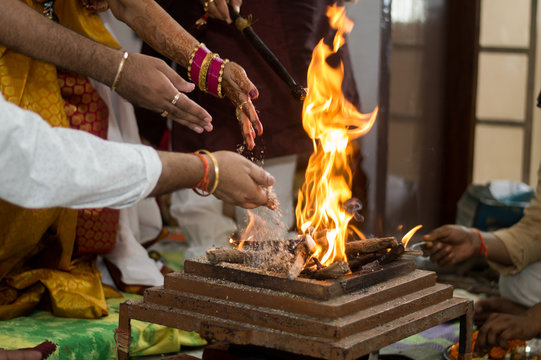
    1. Preparation: The Havan Kund (fire pit) is set up, and the fire is lit using wood and ghee.
    2. Offering: Small portions of Havan Samagri are offered into the fire while chanting mantras.
    3. Purpose: Each ingredient is chosen for its specific properties, such as purification, healing, or attracting positive energy.
    4. Conclusion: The ritual ends with prayers and the distribution of Prasad (blessed food).

    Benefits of Havan Samagri

    Benefits of Havan
    Benefits of Havan
    1. Purifies the Environment: The smoke from Havan Samagri cleanses the air and removes impurities.
    2. Promotes Health: Many ingredients have antibacterial and antifungal properties.
    3. Enhances Spiritual Energy: The ritual creates a positive and peaceful atmosphere.
    4. Brings Prosperity: Offering Samagri is believed to attract wealth and success.

    How to Make Havan Samagri at Home

    If you want to prepare Havan Samagri at home, here’s a simple guide:

    1. Collect Ingredients: Gather sandalwood, mango wood, tulsi, rice, ghee, and other items.
    2. Dry the Ingredients: Ensure all items are dry to burn properly.
    3. Mix Them Together: Combine the ingredients in the right proportions.
    4. Store Properly: Keep the Samagri in an airtight container to maintain its freshness.

    Frequently Asked Questions (FAQs)

    1. Can I perform Havan without Samagri?

    • No, Havan Samagri is essential for the ritual as it contains the ingredients needed to create positive energy.

    2. Where can I buy Havan Samagri?

    • You can buy it from local religious stores, online shops, or Ayurvedic stores.

    3. Is Havan Samagri eco-friendly?

    • Yes, it is made from natural ingredients and is biodegradable.

    4. Can I customize Havan Samagri?

    • Yes, you can add or remove ingredients based on the purpose of the Havan.

    5. What is the best time to perform Havan?

    • Early morning or during auspicious timings (Muhurat) is considered ideal.

    Conclusion

    Havan Samagri is a sacred and essential part of fire rituals in Hinduism. Its natural ingredients purify the environment, promote health, and create a positive spiritual atmosphere. Whether you’re performing a Havan at home or attending a community ritual, understanding the significance of Havan Samagri can deepen your connection to this ancient practice.

    May your Havan bring peace, prosperity, and divine blessings into your life! 🔥🙏


    Yagyas: The Sacred Fire Rituals for Spiritual and Material Well-Being

    Yagyas, also known as Yajnas, are ancient Vedic fire rituals performed to invoke divine blessings, purify the environment, and achieve specific spiritual and material goals. Rooted in the sacred texts of Hinduism, Yagyas have been practiced for thousands of years and continue to hold immense significance in modern times. In this comprehensive guide, we’ll explore the meaning, types, benefits, and steps to perform Yagyas, ensuring this article ranks high on Google for seekers of spiritual knowledge.


    What is a Yagya?

    Yagya
    Yagya

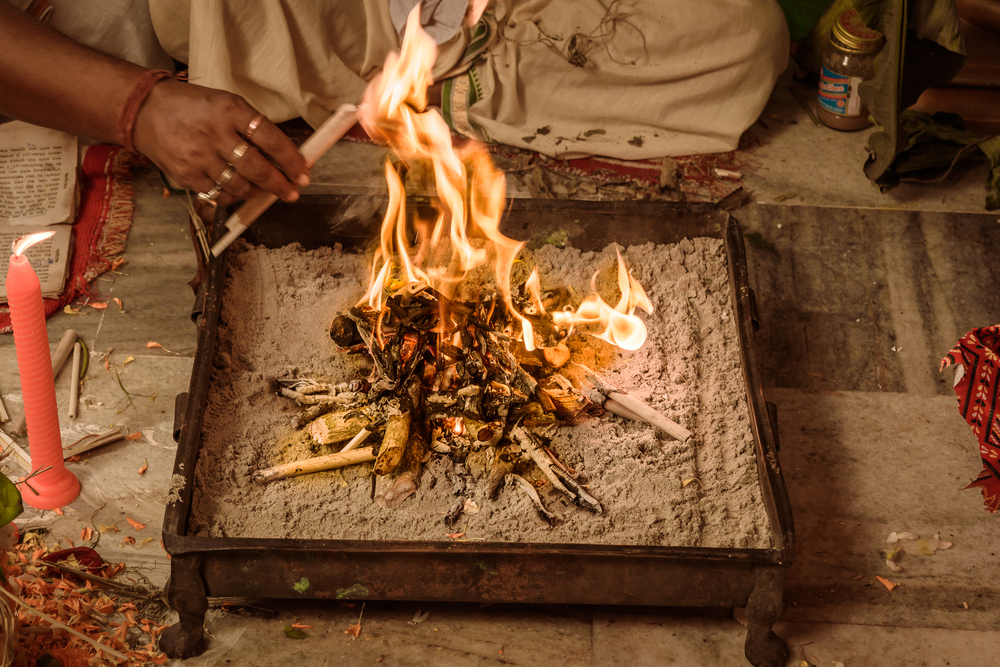
    A Yagya is a sacred ritual in which offerings are made into a consecrated fire, accompanied by the chanting of Vedic mantras. The fire acts as a medium to carry the offerings and prayers to the deities, invoking their blessings. Yagyas are performed for various purposes, including spiritual growth, health, prosperity, and the removal of obstacles.


    Significance of Yagyas

    Yagyas hold a profound place in Vedic traditions due to their multifaceted benefits:

    • Spiritual Purification: Yagyas cleanse the mind, body, and soul, promoting inner peace and spiritual growth.
    • Environmental Healing: The herbs and offerings used in Yagyas purify the atmosphere, promoting ecological balance.
    • Material Prosperity: Yagyas are performed to attract wealth, success, and abundance.
    • Health and Well-Being: Specific Yagyas are conducted to heal diseases and enhance physical and mental health.
    • Karmic Cleansing: Yagyas help mitigate negative karma and bring positive changes in life.

    Types of Yagyas

    There are numerous types of Yagyas, each serving a specific purpose. Some of the most popular ones include:

    1. Ganapati Yagya

    • Purpose: To remove obstacles and ensure success in new ventures.
    • Deity Invoked: Lord Ganesha.

    2. Lakshmi Yagya

    • Purpose: To attract wealth, prosperity, and abundance.
    • Deity Invoked: Goddess Lakshmi.

    3. Rudra Yagya

    • Purpose: To seek protection, health, and the removal of negative energies.
    • Deity Invoked: Lord Shiva.

    4. Navagraha Yagya

    • Purpose: To pacify the nine planets (Navagrahas) and reduce their malefic effects.
    • Deities Invoked: The nine planetary deities.

    5. Maha Mrityunjaya Yagya

    • Purpose: To promote longevity, health, and protection from life-threatening situations.
    • Deity Invoked: Lord Shiva.

    6. Surya Yagya

    • Purpose: To enhance vitality, confidence, and success.
    • Deity Invoked: Lord Surya (Sun God).

    7. Chandi Yagya

    • Purpose: To destroy negativity and empower individuals with strength and courage.
    • Deity Invoked: Goddess Chandi (Durga).

    How to Perform a Yagya: Step-by-Step Guide

    Performing a Yagya requires careful preparation and adherence to Vedic rituals. Here’s a step-by-step guide:

    1. Preparation

    • Choose the Purpose: Decide the goal of the Yagya (e.g., health, wealth, or spiritual growth).
    • Select the Date and Time: Consult a Guru or astrologer to determine an auspicious date and time (Muhurat).
    • Gather Materials: Arrange the following items:
      • Sacred Fire Pit (Kund): Constructed with bricks or metal.
      • Wood and Ghee: Use sandalwood or mango wood, along with pure ghee.
      • Herbs and Offerings: Include samagri (a mixture of herbs, grains, and other sacred items).
      • Idols or Pictures of Deities: Place them near the fire pit.
      • Diya, Incense, and Flowers: For decoration and offerings.

    2. Invocation (Avahana)

    • Light the fire in the Kund and offer ghee while chanting mantras to invoke the deity.
    • Example mantra for invoking Agni (Fire God):
      Om Agnaye Swaha

    3. Offerings (Ahuti)

    • Offer samagri, grains, and ghee into the fire while chanting specific mantras.
    • Example mantra for offerings:
      Om Idam Na Mama (This is not for me, but for the deity)

    4. Mantra Recitation

    • Recite Vedic mantras and hymns related to the deity being invoked.
    • Example mantra for Lord Ganesha:
      Om Gam Ganapataye Namah

    5. Aarti and Prayers

    • Perform aarti by waving a diya in front of the deities.
    • Offer prayers, expressing gratitude and seeking blessings.

    6. Conclusion (Purnahuti)

    • Offer the final ahuti (offering) to conclude the Yagya.
    • Distribute prasad (blessed food) to all participants.

    Benefits of Performing Yagyas

    1. Spiritual Growth: Yagyas deepen your connection with the divine and enhance spiritual awareness.
    2. Health and Healing: Specific Yagyas are known to cure diseases and promote overall well-being.
    3. Wealth and Prosperity: Yagyas attract abundance and remove financial obstacles.
    4. Environmental Balance: The sacred fire purifies the atmosphere, promoting ecological harmony.
    5. Karmic Relief: Yagyas help mitigate past karmic debts and bring positive changes in life.

    Frequently Asked Questions (FAQs)

    1. Can I perform a Yagya at home?

    • Yes, small Yagyas can be performed at home with proper guidance. For larger Yagyas, it’s advisable to consult a Pandit.

    2. How long does a Yagya take?

    • The duration depends on the type of Yagya. It can range from a few hours to several days.

    3. What is the role of a Pandit in a Yagya?

    • A Pandit ensures the rituals are performed correctly, recites the mantras, and guides the participants.

    4. Can non-Hindus participate in Yagyas?

    • Yes, Yagyas are open to everyone, regardless of their religious background.

    5. How often should I perform a Yagya?

    • It depends on your goals. Some Yagyas are performed annually, while others can be done monthly or during special occasions.

    Conclusion

    Yagyas are powerful Vedic rituals that connect individuals with the divine, purify the environment, and bring about positive transformations in life. Whether you seek spiritual growth, health, prosperity, or karmic relief, performing a Yagya can help you achieve your goals. By following the steps outlined in this guide and seeking guidance from knowledgeable Pandits, you can experience the profound benefits of these sacred fire rituals.

    May the divine blessings of the Yagyas bring peace, prosperity, and happiness into your life!

    How to Perform Gayatri Yagya: A Comprehensive Guide

    Gayatri Yagya
                                           Gayatri Yagya

    The Gayatri Yagya, a sacred Vedic ritual, is a profound way to invoke divine blessings and align oneself with cosmic energies. Rooted in ancient Indian traditions, this spiritual practice revolves around the chanting of the Gayatri Mantra, a revered hymn dedicated to the Sun God, symbolizing wisdom, light, and truth. Performing a Gayatri Yagya not only purifies the mind and soul but also enhances the overall spiritual ambiance of the practitioner’s surroundings.

    This detailed guide will walk you through the steps and rituals required to conduct a Gayatri Yagya with utmost devotion and accuracy.


    What is Gayatri Yagya?

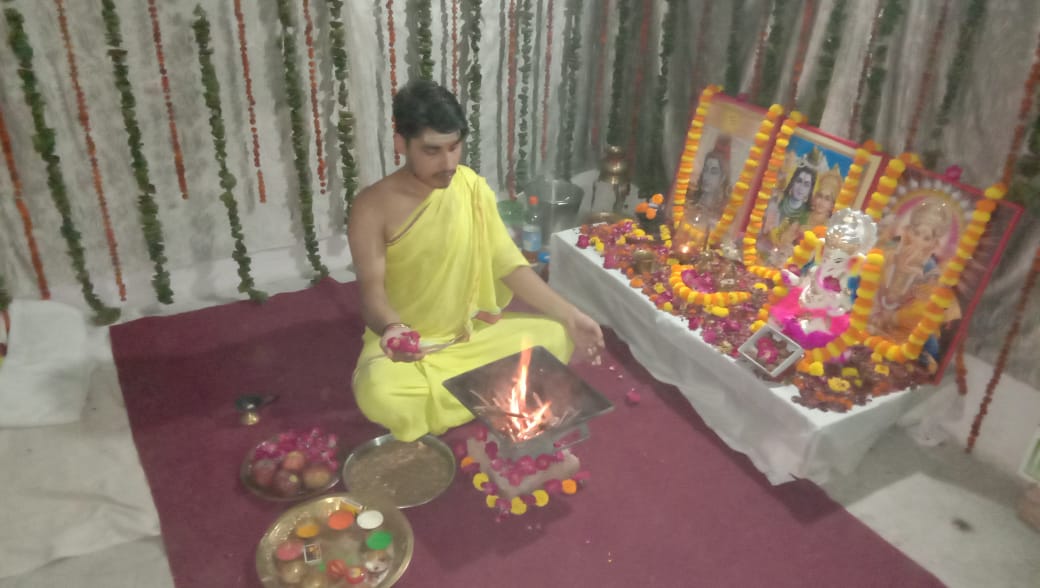
    The Gayatri Yagya is a fire ritual performed to honor Gayatri Devi, the embodiment of wisdom and enlightenment. The process involves chanting the Gayatri Mantra while offering sacred materials into the fire (Agni). The ritual is believed to cleanse negativity, foster positivity, and invoke divine grace for well-being and prosperity.


    Significance of the Gayatri Mantra

    The Gayatri Mantra is one of the most powerful and widely revered hymns in Vedic literature. Its profound meaning and vibrations stimulate spiritual awakening. The mantra is as follows:

    “Om Bhur Bhuvah Swaha
    Tat Savitur Varenyam
    Bhargo Devasya Dhimahi
    Dhiyo Yo Nah Prachodayat”

    The mantra translates to:
    “We meditate on the glory of the Creator, who has created the universe, who is worthy of worship, who is the embodiment of knowledge and light. May He inspire and guide our intellect.”


    Preparations for Performing Gayatri Yagya

    1. Selecting the Right Time and Place

    • Choose a day considered auspicious, such as a full moon day (Purnima) or during festivals like Makar Sankranti or Navratri.
    • The ritual is ideally performed during the Brahma Muhurta (early morning hours before sunrise) for maximum spiritual benefit.
    • Select a clean and serene location for the Yagya. Ensure that the area is free from disturbances and distractions.

    2. Gathering the Necessary Materials

    The following items are required for the Gayatri Yagya:

    • Kalash (sacred vessel) filled with clean water.
    • Havan Kund (fire altar).
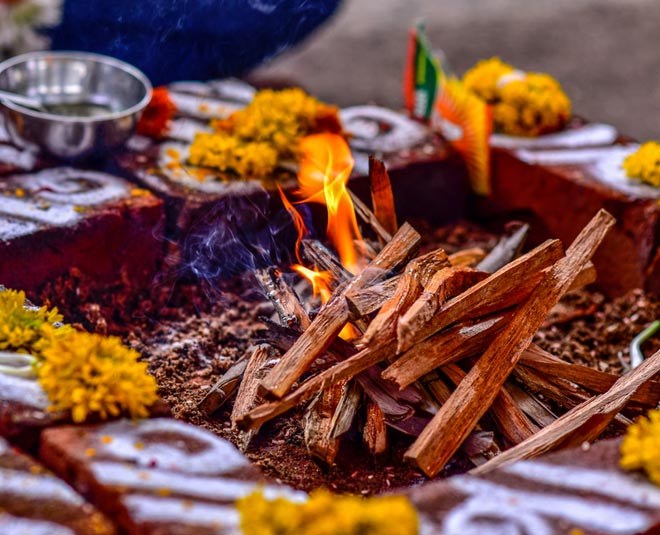
    • Wood sticks (preferably sandalwood or mango wood) for the fire.
    • Samidha (sacred offerings): Ghee (clarified butter), sesame seeds, rice grains, dried herbs, and camphor.
    • Panchamrit (holy mixture): Made from milk, yogurt, ghee, honey, and sugar.
    • Aasan (seat): A clean, sacred mat or cloth to sit on.
    • Flowers and garlands for decoration and offerings.

    Step-by-Step Procedure for Gayatri Yagya

    1. Purification Rituals (Achamana and Sankalpa)

    • Begin by purifying yourself with a bath and wear clean, preferably white or yellow clothing.
    • Sit facing the east direction and perform Achamana (sipping water thrice to purify the body).
    • Take a Sankalpa (resolve), stating your intention for performing the Yagya.

    2. Invocation of Deities (Swasti Vachan)

    • Light a diya (lamp) and incense sticks to purify the surroundings.
    • Chant mantras to invoke the presence of Lord Ganesha, Gayatri Devi, and other deities to bless the ritual.
    • Place the Kalash filled with water and decorate it with mango leaves and a coconut on top as an offering.

    3. Lighting the Sacred Fire (Agni Pratishthapana)

    • Arrange the wood sticks in the Havan Kund and ignite them using camphor.
    • Offer ghee into the fire while chanting “Om Agnaye Swaha” to establish the sacred fire.

    4. Chanting the Gayatri Mantra

    • Chant the Gayatri Mantra 108 times (or in multiples of 108) while making offerings of ghee, rice grains, and other sacred materials into the fire.
    • Each chant should be synchronized with the mantra “Swaha”, symbolizing the surrender of negative energies into the divine flames.

    5. Performing Ahuti (Offerings)

    • Offer the following items into the fire:
      • Samidha: To sustain the fire.
      • Ghee: To symbolize purity and spiritual illumination.
      • Herbs and grains: To invoke positive vibrations.
    • Recite additional Vedic hymns like Om Tryambakam and Shanti Path for peace and prosperity.

    6. Purnahuti (Final Offering)

    • The ritual concludes with the Purnahuti, the final and most significant offering. Place all remaining offerings into the fire while chanting mantras of gratitude.
    • Sprinkle the sacred water from the Kalash around the fire to purify the space further.

    Post-Yagya Rituals and Prasad Distribution

    1. Aarti and Prayer

    • Perform Aarti to express gratitude to the deities and seek their continued blessings.
    • Chant prayers for universal peace and well-being.

    2. Distribution of Prasad

    • Distribute the Prasad (offering of fruits, sweets, or Panchamrit) to participants as a token of divine blessings.

    3. Cleanup and Preservation

    • Allow the fire to extinguish naturally.
    • Collect the ashes from the Havan Kund and sprinkle them in a sacred river or garden as they are considered holy.

    Benefits of Performing Gayatri Yagya

    1. Spiritual Awakening

    The powerful vibrations of the Gayatri Mantra harmonize the mind, body, and soul, fostering spiritual growth.

    2. Mental Clarity and Focus

    Regular practice enhances concentration, decision-making, and intellectual abilities.

    3. Cleansing Negative Energies

    The sacred fire and mantras purify the surroundings, removing negativity and inviting positivity.

    4. Health and Well-being

    The Yagya’s holistic approach promotes physical, mental, and emotional well-being.