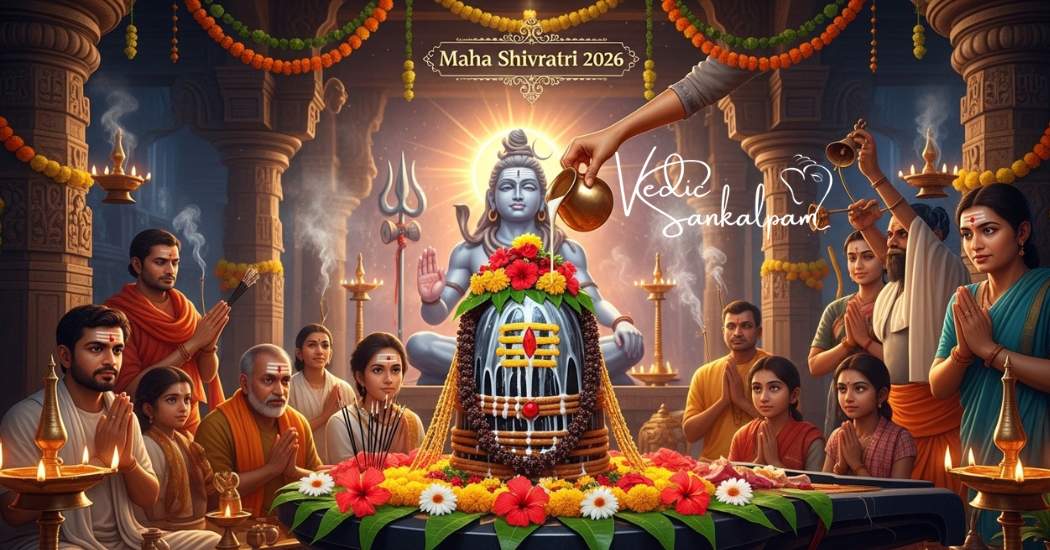
Mahashivaratri 2026 is one of the most sacred and spiritually charged festivals dedicated to Lord Shiva, the supreme deity of transformation, destruction, and cosmic balance. Celebrated with immense devotion across India and worldwide, this auspicious night is observed with fasting (vrat), night-long vigil (jagran), Rudrabhishek, and chanting of sacred mantras. As we prepare for Mahashivaratri 2026, understanding its exact date, rituals, spiritual importance, and correct puja procedure becomes essential for devotees seeking divine blessings.
Mahashivaratri 2026 Date and Muhurat
In 2026, Mahashivaratri will be celebrated on Tuesday, February 17, 2026 (subject to regional Panchang confirmation). The festival falls on the Chaturdashi Tithi of Krishna Paksha in the month of Phalguna according to the Hindu lunar calendar.
Important Timings (Tentative):
-
Chaturdashi Tithi Begins: February 15, 2026 (evening)
-
Chaturdashi Tithi Ends: February 16, 2026 (evening)
-
Nishita Kaal Puja Time: Around midnight (most auspicious time)
The Nishita Kaal, the midnight period when Lord Shiva is believed to manifest in his most powerful form, is considered the most sacred time for performing Shiva Puja and Rudrabhishek.
Spiritual Significance of Mahashivaratri
Mahashivaratri, meaning “The Great Night of Shiva,” symbolizes the divine union of Lord Shiva and Goddess Parvati. It also marks the cosmic dance of Shiva known as Tandava, representing creation, preservation, and dissolution.
This sacred night is associated with multiple mythological beliefs:
-
The divine marriage of Shiva and Parvati
-
The manifestation of the infinite Shiva Lingam
-
The day when Lord Shiva consumed the deadly poison Halahala to save the universe
Observing Mahashivaratri with devotion is believed to cleanse past karmas, remove obstacles, and grant spiritual awakening, prosperity, and liberation (moksha).
Mahashivaratri 2026 Puja Vidhi (Step-by-Step Rituals)

Performing the Mahashivaratri Puja Vidhi correctly enhances spiritual benefits. We observe the following traditional procedure:
1. Early Morning Purification
Devotees wake up during Brahma Muhurat, take a holy bath, and wear clean white or traditional attire. Visiting a Shiva temple or setting up a Shiva Lingam at home altar is customary.
2. Sankalp (Sacred Resolution)
We take a vow to observe the fast and perform the puja with sincerity and devotion.
3. Abhishekam Ritual
The Rudrabhishek is the core ritual of Mahashivaratri. Offerings include:
-
Water
-
Milk
-
Curd
-
Honey
-
Ghee
-
Sugar
-
Gangajal
-
Bilva (Bel) leaves
-
Datura and white flowers
Each offering symbolizes purification and surrender. Continuous chanting of “Om Namah Shivaya” amplifies spiritual vibrations.
4. Offering Bilva Leaves
The trifoliate Bilva leaf represents Shiva’s three eyes and must be offered carefully with the smooth side facing upward.
5. Night Vigil (Jagran)
Devotees stay awake all night, performing four Prahar pujas at regular intervals. Singing Shiva Bhajans, reciting Shiva Chalisa, and reading Shiva Purana are highly recommended.
6. Fasting and Parana
The fast is broken the next day after completing morning rituals. Fruits, milk, and sattvic food are consumed to conclude the vrat.
Mahashivaratri Vrat Rules and Fasting Guidelines
The Mahashivaratri fast (vrat) is observed with strict discipline. Devotees may choose:
-
Nirjala Vrat: Complete fast without food or water
-
Phalahar Vrat: Fruits, milk, and water allowed
-
Partial Fast: One meal without grains and salt
Foods permitted:
-
Sabudana
-
Singhara flour
-
Kuttu flour
-
Fruits and dry fruits
-
Rock salt (Sendha Namak)
Foods to avoid:
-
Grains
-
Onion and garlic
-
Processed foods
Fasting purifies the body and mind, enhancing spiritual focus and divine connection.
Powerful Mantras for Mahashivaratri 2026
Chanting sacred mantras on Mahashivaratri invokes Lord Shiva’s blessings:
1. Maha Mrityunjaya Mantra
Om Tryambakam Yajamahe Sugandhim Pushtivardhanam
Urvarukamiva Bandhanan Mrityor Mukshiya Maamritat
This mantra removes fear, illness, and negativity.
2. Panchakshari Mantra
“Om Namah Shivaya”
The most potent Shiva mantra for spiritual elevation and inner peace.
Chanting 108 times using a Rudraksha mala is considered highly auspicious.
Mythological Stories Associated with Mahashivaratri
The Divine Marriage
According to ancient scriptures, Mahashivaratri marks the sacred union of Shiva and Parvati, symbolizing harmony between masculine and feminine energies.
The Hunter’s Story
A legendary tale narrates how a hunter unknowingly worshipped Shiva by dropping Bilva leaves while staying awake at night. His devotion led to liberation, emphasizing the power of sincere intent.
Samudra Manthan
During the cosmic churning of the ocean, Lord Shiva consumed the poison Halahala, turning his throat blue and earning the name Neelkanth. This act represents sacrifice and protection of the universe.
Benefits of Observing Mahashivaratri
Devotees believe that observing Mahashivaratri 2026 with devotion grants:
-
Removal of sins and negative karma
-
Fulfillment of desires
-
Marital harmony
-
Prosperity and success
-
Spiritual awakening
-
Protection from planetary doshas
Unmarried women observe the fast seeking an ideal life partner like Lord Shiva, while married women pray for family well-being.
Temple Celebrations Across India
Prominent Shiva temples witness grand celebrations:
-
Kashi Vishwanath (Varanasi)
-
Somnath Temple (Gujarat)
-
Mahakaleshwar (Ujjain)
-
Kedarnath (Uttarakhand)
-
Lingaraj Temple (Bhubaneswar)
These temples conduct elaborate Rudrabhishek ceremonies, special aartis, and spiritual gatherings.
Astrological Importance of Mahashivaratri 2026
Astrologically, Mahashivaratri is a powerful night for balancing planetary energies. Worshipping Lord Shiva reduces the malefic effects of:
-
Shani (Saturn)
-
Rahu and Ketu
-
Mangal Dosha
Performing Abhishek with water and milk during Nishita Kaal brings mental clarity and emotional stability.
Mahashivaratri 2026: Home Celebration Guide
For those celebrating at home:
-
Clean the house and altar area.
-
Place a Shiva Lingam or Lord Shiva idol.
-
Decorate with flowers and lamps.
-
Perform Abhishekam.
-
Light incense and diya.
-
Offer fruits and prasad.
-
Chant mantras and meditate.
Maintaining a peaceful and devotional environment enhances spiritual experience.
Conclusion
Mahashivaratri 2026 offers a profound opportunity to align with divine energy, practice self-discipline, and experience inner transformation. Through fasting, mantra chanting, Rudrabhishek, and night-long devotion, we honor Lord Shiva and invite blessings of strength, wisdom, and liberation. This sacred night transcends ritual; it is a gateway to spiritual awakening and divine grace.