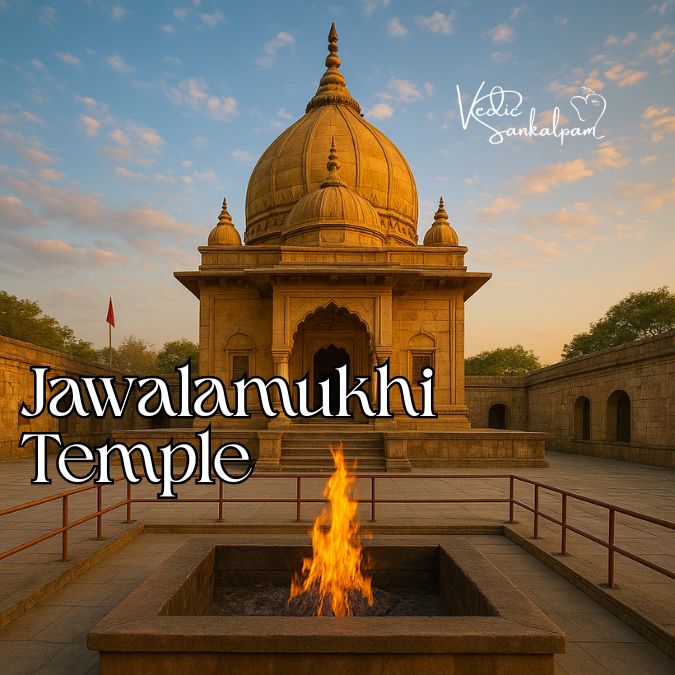
The Jawalamukhi Temple, also known as the Temple of the Eternal Flame, is one of the most revered Shakti Peethas in India, located in the Kangra district of Himachal Pradesh. This sacred shrine, dedicated to Goddess Jwalamukhi (the Flaming Mouth), symbolizes the everlasting power of divine energy. Renowned for its natural blue flames that emerge from cracks in the earth, the temple attracts thousands of devotees and spiritual seekers from across the globe.
Historical Significance of Jawalamukhi Temple
The history of the Jawalamukhi Temple is deeply rooted in ancient Hindu mythology. It is believed that Sati’s tongue fell at this site when Lord Shiva carried her charred body across the universe after she immolated herself during the Daksha Yagna. To honor her sacrifice, a flame appeared at the site, which continues to burn eternally. This flame is considered a manifestation of the goddess’s power and is worshipped as Devi Jwalamukhi.
According to legends, the Pandavas from the Mahabharata visited this temple to pay homage to the Goddess. Over the centuries, several rulers including Mughal Emperor Akbar and Maharaja Ranjit Singh contributed to the development and protection of this sacred site.
Architectural Marvel of the Temple
The architecture of the Jawalamukhi Temple beautifully combines Hindu and Mughal influences. The temple is built on a high platform, featuring a dome-shaped roof and a golden spire that glistens under the sunlight. The sanctum sanctorum (Garbhagriha) houses the natural flames which emerge through fissures in the rock.
There are nine flames, each representing different forms of Goddess Durga:
- Maha Kali
- Annapurna
- Chandi
- Hinglaj
- Vindhyavasini
- Mahalakshmi
- Saraswati
- Ambika
- Anjana
No idol is placed inside the temple — the flames themselves are the deity, symbolizing the eternal presence of the Goddess.
Spiritual Importance and Beliefs
The Jawalamukhi Temple is not just a place of worship; it is a powerful energy center where devotees feel the direct presence of Divine Shakti. The continuous burning flames represent purity, transformation, and divine will.
Pilgrims believe that prayers offered here never go unanswered. The temple is particularly important for those seeking spiritual awakening, protection from negative energies, and success in endeavors. Many devotees also light small lamps, symbolizing their surrender to the Goddess.
The flames have burned for centuries without any source of fuel, a phenomenon that continues to intrigue scientists and mystics alike. Geologists believe the flames result from the emission of natural gases, but for devotees, it is the divine presence of Goddess Jwala Devi that keeps them alive eternally.
Festivals Celebrated at Jawalamukhi Temple
The temple becomes a center of grand celebration during the Navratri festival, observed twice a year in Chaitra (March-April) and Ashwin (September-October). During these nine days, the temple is adorned with flowers, lights, and devotional music, and thousands of pilgrims visit to seek blessings.
Other significant festivals include:
- Jwala Ashtami
- Deepavali
- Poornima (Full Moon Day)
- Shakti Puja
During these occasions, the temple premises echo with mantras, bhajans, and aarti ceremonies, creating an atmosphere of deep devotion and positive energy.
The Legend of Mughal Emperor Akbar
One of the most famous legends associated with Jawalamukhi Temple involves Mughal Emperor Akbar. Impressed by tales of the eternal flame, he visited the temple to witness the phenomenon himself. Initially skeptical, Akbar tried to extinguish the flame by covering it with an iron plate and flooding the area with water. However, the flame continued to burn undisturbed, which deeply moved the emperor. In reverence, he offered a golden canopy to the Goddess.
Interestingly, it is said that the canopy turned into a different metal overnight — a sign of the Goddess’s divine power. This canopy is still displayed in the temple’s museum, symbolizing faith triumphing over doubt.
Scientific Mystery Behind the Eternal Flame
The eternal flames of Jawalamukhi have fascinated not only devotees but also scientists. Geologists suggest that the flames result from the combustion of natural hydrocarbon gases seeping through the earth’s fissures. Despite these scientific explanations, the source of these gases and the unending nature of the flame remain largely unexplained. This blend of science and spirituality adds another layer of mystery and reverence to the temple.
Visiting Jawalamukhi Temple – Location and Travel Guide
The Jawalamukhi Temple is located about 30 km from Kangra town and around 70 km from Dharamshala. The nearest railway station is Jawalamukhi Road, approximately 20 km away, while the nearest airport is at Gaggal (Kangra Airport), about 50 km from the temple.
How to Reach:
- By Air: Gaggal Airport (Kangra) – 50 km away.
- By Train: Jawalamukhi Road Railway Station – 20 km away.
- By Road: Well connected by Himachal Road Transport Corporation (HRTC) buses and private taxis.
Nearby Attractions:
- Chintpurni Temple
- Baglamukhi Temple
- Kangra Fort
- Mata Bajreshwari Devi Temple
- Dharamshala and McLeod Ganj
Visitors often include Jawalamukhi Temple in the Sacred Shakti Peetha Yatra along with Chintpurni, Naina Devi, and Kangra Devi temples.
Temple Timings and Rituals
The temple opens early in the morning for Mangla Aarti around 5:00 AM and remains open till 10:00 PM. The main aarti sessions include:
- Mangal Aarti – Early morning
- Bhog Aarti – Late morning
- Sandhya Aarti – Evening
- Shayan Aarti – Before temple closing
Devotees offer ghee, milk, sugar, coconut, and flowers to the Goddess. The sacred flame is treated as the Goddess herself, and touching or blowing on it is strictly prohibited.
Conclusion – The Eternal Light of Faith
The Jawalamukhi Temple stands as a living testament to faith, divinity, and the eternal feminine power that sustains the universe. The ever-burning flames remind us that divine energy never fades, guiding devotees toward spiritual strength, purity, and enlightenment. A visit to this temple is not just a pilgrimage but a journey into the heart of divine mystery and devotion.