Introduction to Grishneshwar Jyotirlinga
Have you ever felt that inexplicable pull toward something divine, something that transcends the ordinary hustle of everyday life? That’s exactly what pilgrims experience when they approach Grishneshwar Jyotirlinga, one of the twelve sacred Jyotirlingas dedicated to Lord Shiva. Nestled in the picturesque village of Verul, near Aurangabad in Maharashtra, this ancient temple stands as a testament to unwavering faith and architectural brilliance.
Grishneshwar, also known as Ghushmeshwar, isn’t just another temple—it’s a spiritual powerhouse that has drawn devotees for centuries. Whether you’re a devout believer seeking blessings or a curious traveler exploring India’s rich cultural heritage, this sacred site offers something profound for everyone. The temple’s serene atmosphere, combined with its fascinating legends, creates an experience that lingers in your heart long after you’ve left its premises.
The Legend and Mythology Behind Grishneshwar
Every sacred site has a story, and Grishneshwar’s tale is particularly touching. The mythology surrounding this Jyotirlinga revolves around devotion, sacrifice, and divine intervention—themes that resonate deeply with Hindu philosophy.
The Story of Ghushma’s Devotion
The legend begins with a pious Brahmin named Sudharma who lived with his wife Sudeha in the village of Devagiri. Since Sudeha couldn’t bear children, she suggested that Sudharma marry her sister, Ghushma. Unlike many tales where such arrangements lead to discord, Ghushma was incredibly devoted—not just to her husband, but particularly to Lord Shiva.
Every day, Ghushma would wake up early, craft a Shivalinga from clay, worship it with complete devotion, and then immerse it in the nearby lake. Her dedication was so pure and unwavering that it attracted divine attention. When she was finally blessed with a son, Sudeha’s jealousy consumed her. In a fit of rage, she murdered the child and threw his body into the same lake where Ghushma performed her daily rituals.
The Divine Manifestation of Lord Shiva
Can you imagine discovering such a tragedy and still maintaining your faith? That’s exactly what Ghushma did. When she learned of her son’s death, instead of breaking down, she continued her worship with the same devotion. Moved by her unshakeable faith, Lord Shiva appeared before her, restored her son to life, and manifested himself as a Jyotirlinga at that very spot.
This divine manifestation came to be known as Grishneshwar—derived from “Ghushma” and “Ishwar” (Lord). The story beautifully illustrates that true devotion never goes unrewarded, and that the divine is always watching over those who maintain their faith through the darkest times.
Historical Significance of Grishneshwar Temple
The temple’s history stretches back through the mists of time, making it one of the most historically significant religious sites in India.
Ancient References in Sacred Texts
Grishneshwar finds mention in several ancient Hindu scriptures, including the Shiva Purana. These texts describe it as the last or twelfth Jyotirlinga, though some scholars debate its exact position among the twelve. The temple is referenced in various historical accounts dating back over a thousand years, establishing its importance in the Hindu religious landscape.
The Jyotirlinga concept itself is deeply rooted in Hindu theology. According to tradition, these twelve sites represent places where Lord Shiva manifested as a fiery column of light, demonstrating his infinite nature and supreme power. Grishneshwar’s inclusion in this sacred dozen elevates it to the highest echelon of Shiva temples.
Architectural Evolution Through the Ages
Like many ancient temples, Grishneshwar has undergone several reconstructions throughout history. The current structure was rebuilt in the 18th century by Maloji Raje Bhosale and later renovated by Ahilyabai Holkar, the legendary queen of the Maratha Empire known for her devotion and her extensive temple renovation projects across India.
The temple showcases classic South Indian architectural style, which is somewhat unique for this region of Maharashtra. This architectural choice reflects the diverse cultural influences that have shaped the temple over centuries, creating a structure that’s both historically significant and aesthetically stunning.
Location and How to Reach Grishneshwar
Planning a pilgrimage requires practical information, and getting to Grishneshwar is thankfully quite straightforward.
Geographic Location Near Ellora Caves
Grishneshwar Temple enjoys a prime location in the village of Verul, approximately 11 kilometers from Daulatabad and about 30 kilometers from Aurangabad city. One of its biggest advantages is its proximity to the world-famous Ellora Caves—just 500 meters away! This means you can combine your spiritual journey with a cultural expedition, experiencing both divine devotion and human artistic achievement in a single trip.
The temple sits in a region blessed with natural beauty, surrounded by hills and greenery that create a peaceful atmosphere conducive to meditation and reflection. The geographical setting itself seems designed to elevate your spiritual experience.
Transportation Options for Pilgrims
Reaching Grishneshwar is convenient regardless of your starting point. Aurangabad, the nearest major city, is well-connected by air, rail, and road to major Indian cities. The Aurangabad Airport receives flights from Mumbai, Delhi, and other metropolitan areas regularly.
From Aurangabad, you can hire a taxi, take a local bus, or join organized pilgrimage tours that often include both the temple and the Ellora Caves. The journey takes about 45 minutes to an hour by road, and the route is generally well-maintained. Many pilgrims prefer hiring private vehicles for the flexibility it offers, especially if you’re traveling with family or planning to visit multiple sites in the area.
Architectural Marvel of Grishneshwar Temple
Walking into Grishneshwar Temple is like stepping into a living sculpture—every surface tells a story, every pillar demonstrates mastery.
The Red Stone Structure
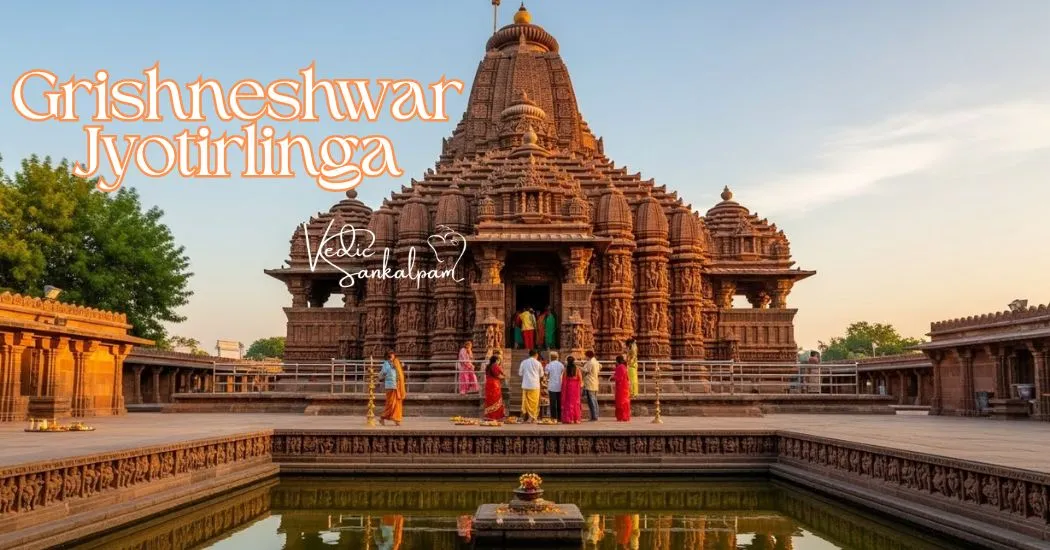
The temple’s most striking feature is its construction from red stone, which gives it a distinctive appearance that stands out against the surrounding landscape. The five-tier shikhara (temple tower) rises majestically, drawing your eyes upward and symbolizing the ascent from earthly concerns to divine consciousness.
The temple complex is relatively compact but incredibly efficient in its use of space. Despite its modest size compared to some sprawling temple complexes, it creates an atmosphere of grandeur through intelligent architectural design and artistic execution.
Intricate Carvings and Sculptures
What truly sets Grishneshwar apart is the stunning detail work covering virtually every surface. The walls, pillars, and ceilings are adorned with intricate carvings depicting various Hindu deities, mythological scenes, and decorative patterns. These aren’t just random embellishments—each carving has symbolic significance, telling stories from Hindu scriptures or representing different aspects of divine energy.
The craftsmanship displays exceptional skill, with some carvings so delicate they seem impossible to achieve in hard stone. You’ll find representations of various forms of Lord Shiva, along with other deities from the Hindu pantheon, all rendered with remarkable artistic sensitivity.
The Sanctum Sanctorum Design
The inner sanctum, where the Jyotirlinga resides, follows traditional temple architecture principles. It’s designed to create a sense of intimate connection with the divine—the space is deliberately kept small and somewhat dark, illuminated primarily by oil lamps and small windows. This design choice isn’t accidental; it represents moving from the external world of light and distraction into the internal world of meditation and spiritual focus.
The Shivalinga itself is relatively simple, which is characteristic of Jyotirlingas. Its power doesn’t come from ornate decoration but from its spiritual significance and the faith of millions who have worshipped there over centuries.
Religious Importance in Hinduism
Understanding why Grishneshwar holds such a revered position requires exploring broader Hindu theological concepts.
The Twelve Jyotirlingas and Their Significance
In Hindu tradition, the twelve Jyotirlingas represent the most sacred abodes of Lord Shiva. Each Jyotirlinga is believed to be a manifestation of Shiva himself, not merely a representation or symbol. Visiting all twelve Jyotirlingas is considered an extremely meritorious pilgrimage that can lead to spiritual liberation.
The concept of Jyotirlinga—literally “pillar of light”—comes from the story where Shiva manifested as an endless pillar of light to settle a dispute between Brahma and Vishnu about who was supreme. This manifestation demonstrated that divinity is infinite and beyond complete human comprehension.
Grishneshwar’s position as the twelfth Jyotirlinga gives it particular importance for pilgrims attempting to complete the entire circuit. Many devotees visit Grishneshwar as either the beginning or culmination of their journey through all twelve sacred sites.
Spiritual Benefits of Visiting Grishneshwar
Hindu tradition holds that visiting Grishneshwar with sincere devotion can bestow numerous spiritual benefits. Devotees believe that darshan (viewing the deity) at this Jyotirlinga can wash away sins, fulfill righteous desires, and progress one’s spiritual journey toward moksha (liberation from the cycle of rebirth).
Beyond these traditional beliefs, many visitors report experiencing a profound sense of peace and spiritual renewal at Grishneshwar. There’s something about the combination of the temple’s sacred energy, its beautiful architecture, and the devotion of fellow pilgrims that creates a transformative atmosphere.
Rituals and Worship Practices
The temple follows a structured schedule of rituals that have been maintained for generations, creating a rhythm of worship that connects modern devotees with ancient traditions.
Daily Puja Schedule
Grishneshwar Temple opens early in the morning, typically around 5:30 AM, to allow devotees to participate in the morning aarti (ritual of worship with lamps). The day proceeds with various pujas performed by the temple priests at specific times, including the Abhishekam (ritual bathing of the Shivalinga) which is particularly popular among devotees.
The temple closes for a few hours in the afternoon, then reopens in the evening for additional rituals before the final aarti of the day. This schedule mirrors the daily rhythm in many Hindu temples, marking the passage of time through devotional practice rather than merely secular measurement.
Special Ceremonies and Festivals
Maha Shivaratri stands out as the most significant festival celebrated at Grishneshwar. On this night dedicated to Lord Shiva, the temple sees an enormous influx of pilgrims who stay awake throughout the night, participating in special pujas and chanting hymns. The atmosphere becomes electric with devotion, creating an experience that long-time visitors describe as unforgettable.
Other important occasions include the Shravan month (July-August), considered especially auspicious for Shiva worship. During this time, devotees pour holy water on the Shivalinga—some traveling great distances specifically for this purpose. The temple also celebrates festivals like Diwali and Holi with special ceremonies that blend religious tradition with joyful community celebration.
Best Time to Visit Grishneshwar Temple
Timing your visit can significantly impact your experience, so it’s worth considering both practical and spiritual factors.
Seasonal Considerations
The most comfortable time to visit Grishneshwar is during the winter months from October to March. The weather is pleasant—neither too hot nor too cold—making both the temple visit and the nearby Ellora Caves exploration enjoyable. The clear skies and moderate temperatures also make for better photography if you’re documenting your journey.
Summer months (April to June) can be quite hot in this region, with temperatures soaring above 40°C. If you’re planning a summer visit, go early in the morning or late in the evening to avoid the midday heat. The monsoon season (July to September) brings relief from the heat but can make travel slightly challenging due to occasional heavy rains.
Festival Times and Crowd Management
While festivals like Maha Shivaratri offer the most intense spiritual atmosphere, they also attract the largest crowds. If you prefer a more peaceful, contemplative experience, consider visiting during non-festival periods on weekdays. You’ll have more time for personal prayer and meditation without the rush of large crowds.
However, don’t let crowd concerns prevent you from experiencing a major festival if that interests you. There’s something powerful about being part of a massive gathering of devotees, all united in faith and devotion. The energy during these times is palpable and can be deeply moving.
Nearby Attractions and Pilgrimage Sites
One of Grishneshwar’s advantages is its proximity to several other significant sites, allowing you to create a rich, multifaceted journey.
The Magnificent Ellora Caves
Just a short walk from the temple lies the UNESCO World Heritage Site of Ellora Caves, one of the most impressive rock-cut monastery-temple cave complexes in the world. These 34 caves represent Buddhist, Hindu, and Jain monuments carved between the 6th and 10th centuries CE, showcasing remarkable religious tolerance and artistic achievement.
The Kailasa Temple (Cave 16) is particularly spectacular—a massive structure carved from a single rock, representing Mount Kailash, the abode of Lord Shiva. Visiting both Grishneshwar and Ellora in the same trip offers a perfect balance of active worship and cultural appreciation, connecting living religious tradition with historical artistic legacy.
Other Temples in the Vicinity
The region around Grishneshwar hosts several other significant temples worth exploring. The Ghrishneshwar Temple complex itself includes smaller shrines dedicated to various deities. Nearby, you’ll find other ancient temples reflecting the area’s long religious history.
Aurangabad city, about 30 kilometers away, offers additional attractions including the Bibi Ka Maqbara (often called the “Mini Taj Mahal”), the Aurangabad Caves, and several historic gates and monuments from the Mughal period. These sites add historical and architectural diversity to your pilgrimage journey.
Accommodation Options for Pilgrims
Finding suitable accommodation is crucial for a comfortable pilgrimage experience, and the Grishneshwar area offers various options.
The temple itself provides basic accommodation for pilgrims at very reasonable rates, allowing devotees to stay close to the sacred site. These facilities are simple but clean, offering essential amenities for those who prioritize proximity over luxury.
For more comfortable options, Aurangabad city offers hotels across all budget ranges—from budget guesthouses to luxury properties. Staying in Aurangabad gives you access to better amenities, more dining options, and makes it easier to explore other attractions in the region. Many hotels offer specific packages for pilgrims that include transportation to the temple and other nearby religious sites.
Some visitors prefer staying in smaller hotels or guesthouses near the Ellora Caves, which puts them equidistant between the caves and the temple. This option works particularly well if you’re planning to spend significant time exploring both sites.
Local Culture and Traditions
The area around Grishneshwar is rich with Maharashtrian culture, offering insights into local traditions and ways of life.
The local people are known for their hospitality toward pilgrims, reflecting a long tradition of welcoming religious travelers. Many families in the surrounding villages have provided services to pilgrims for generations, creating a culture deeply connected to the temple’s presence.
Local cuisine offers delicious vegetarian options typical of Maharashtrian cooking—think spicy curries, freshly made rotis, and sweet treats like puran poli. Many small restaurants and food stalls near the temple serve prasad (sanctified food) and simple meals that sustain pilgrims throughout their visit.
The region also has a tradition of handicrafts, particularly items related to religious worship like small Shivalingas, prayer beads, and images of deities. These make meaningful souvenirs that carry spiritual significance beyond mere tourist trinkets.
Tips for First-Time Visitors
A few practical tips can help ensure your visit to Grishneshwar is as smooth and meaningful as possible.
First, dress modestly and respectfully—this is an active place of worship, not merely a tourist site. Remove your shoes before entering the temple premises, as is customary in Hindu temples. Photography inside the sanctum sanctorum is typically not permitted, so respect these restrictions.
Arrive early if possible, especially during festival times or weekends. Early morning visits offer a more peaceful atmosphere and allow you to participate in the morning rituals. The temple can get quite crowded later in the day, particularly when tour groups arrive from Aurangabad.
Consider hiring a local guide if you’re interested in deeper understanding of the temple’s history, architecture, and religious significance. Knowledgeable guides can point out details you might otherwise miss and explain the symbolism embedded in various architectural elements.
Keep some cash handy for donations and purchasing prasad. While the temple doesn’t charge an entry fee, donations are appreciated and help maintain the sacred site. You can also purchase offerings like flowers, coconuts, and incense from vendors near the temple entrance.
Finally, maintain a respectful demeanor throughout your visit. This means speaking softly, not pushing or rushing, and being mindful of devotees who are deep in prayer. Remember, you’re visiting someone’s spiritual home, and your behavior should reflect that understanding.
The Spiritual Experience at Grishneshwar
What makes Grishneshwar truly special transcends architecture, history, or even mythology—it’s the intangible spiritual atmosphere that permeates the place.
Many visitors describe feeling an immediate shift in energy when they enter the temple premises, as if stepping into a space where the boundary between material and spiritual becomes thinner. The sound of bells, the fragrance of incense, the sight of oil lamps flickering before the deity—all these sensory experiences combine to create something greater than their individual parts.
Whether you approach it as a devotee seeking blessings or as a spiritual seeker exploring different paths, Grishneshwar offers opportunities for connection and reflection. The very act of pilgrimage—journeying to a sacred site with intention—can be transformative, separating you from daily routines and creating space for deeper contemplation.
The devotion you witness in fellow pilgrims can itself be moving. Watching someone offer prayers with complete absorption, or seeing families introduce young children to their religious heritage, reminds us of faith’s enduring power to give meaning and connection across generations.
Preservation and Conservation Efforts
Maintaining ancient temples for future generations requires constant effort and resources.
The Archaeological Survey of India (ASI) plays an active role in preserving Grishneshwar Temple, given its historical and religious significance. Regular maintenance work ensures that the structure remains sound while preserving its authentic character. This balancing act—allowing continued worship while protecting the physical structure—requires careful planning and expertise.
Temple authorities also work to manage the environmental impact of increased pilgrim traffic. Efforts to maintain cleanliness, manage waste, and preserve the surrounding area help ensure that the temple remains a beautiful and sacred space for years to come.
Devotees themselves play a crucial role in conservation through their donations and by treating the temple with respect during their visits. When pilgrims are mindful about not damaging architectural elements, properly disposing of offerings, and supporting legitimate preservation efforts, they become partners in protecting this heritage site.
Conclusion
Grishneshwar Jyotirlinga stands as more than just a temple—it’s a living connection to centuries of faith, a masterpiece of architectural achievement, and a beacon for spiritual seekers. Whether you’re drawn by the compelling mythology of Ghushma’s devotion, the exquisite artistry of its red stone carvings, or simply the call to experience one of Hinduism’s most sacred sites, Grishneshwar offers something profound.
The temple’s proximity to the Ellora Caves makes it an ideal destination for those who appreciate both spiritual and cultural heritage. Its accessibility from Aurangabad ensures that modern pilgrims can undertake this sacred journey with relative ease, while the temple itself maintains its ancient character and spiritual potency.
Visiting Grishneshwar isn’t just about checking off another destination on a travel list. It’s about connecting with something larger than yourself—whether you conceptualize that as the divine, as cultural continuity, or simply as the accumulated devotion of countless souls who have stood in that same spot over the centuries. In our fast-paced modern world, places like Grishneshwar remind us of deeper dimensions to existence, inviting us to pause, reflect, and perhaps touch something eternal.
So whether you’re planning your first visit or your fiftieth, Grishneshwar awaits with open arms, ready to share its blessings, its beauty, and its timeless spiritual energy with all who approach with respect and an open heart.
FAQs
1. What is the best time to visit Grishneshwar Temple to avoid crowds?
The best time to visit with minimal crowds is during weekdays in the winter months (October to March), excluding major festivals like Maha Shivaratri and the month of Shravan. Early morning visits, particularly right when the temple opens around 5:30 AM, offer the most peaceful experience regardless of season.
2. How much time should I allocate for visiting Grishneshwar Temple?
A basic visit to offer prayers and explore the temple premises typically takes 1-2 hours. However, if you want to participate in specific rituals, spend time in meditation, or thoroughly appreciate the architectural details, consider allocating 2-3 hours. Most visitors combine this with a trip to the nearby Ellora Caves, making it a full-day excursion.
3. Are there any specific dress code requirements for visiting the temple?
While there’s no strictly enforced dress code, modest clothing is expected and appreciated as a sign of respect. Avoid wearing shorts, short skirts, or sleeveless tops. Both men and women should cover their shoulders and knees. Traditional Indian clothing like sarees or kurta-pajamas is ideal, but conservative Western clothing is also acceptable.
4. Can non-Hindus visit Grishneshwar Temple?
Yes, Grishneshwar Temple is open to people of all faiths and backgrounds. The temple welcomes everyone who approaches with respect and genuine interest. However, visitors should be mindful of ongoing religious ceremonies and maintain appropriate behavior throughout their visit.
5. Is photography allowed inside Grishneshwar Temple?
Photography is generally allowed in the outer areas of the temple complex, but it’s typically prohibited inside the main sanctum sanctorum where the Jyotirlinga is housed. Always look for signs indicating photography restrictions, and when in doubt, ask temple staff or priests for permission before taking photos. Respect other devotees’ privacy, and never photograph people without their consent.