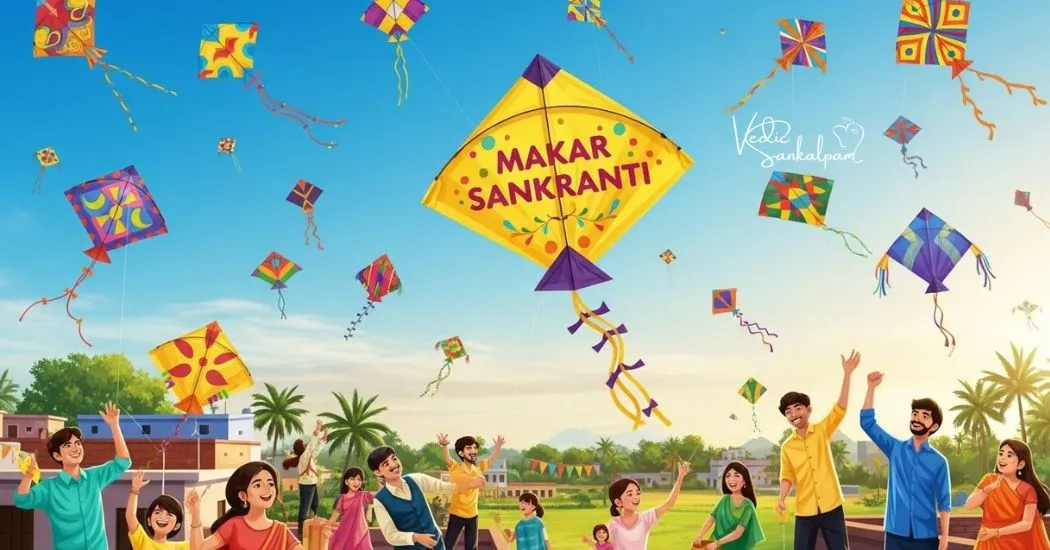
There’s something magical about the way India celebrates its festivals, isn’t there? Each one tells a story, carries traditions that span centuries, and brings people together in the most beautiful ways. Among these vibrant celebrations, Makar Sankranti holds a special place in the hearts of millions. As we look ahead to Makar Sankranti 2026, let’s dive deep into everything that makes this festival so extraordinary.
What is Makar Sankranti?
Makar Sankranti is one of the few Indian festivals celebrated according to the solar calendar rather than the lunar calendar. This makes it fall on the same date almost every year, typically around January 14th or 15th. But what exactly does this festival represent?
The Astronomical Significance
The term “Makar Sankranti” literally translates to the transition of the sun into the zodiac sign of Capricorn (Makar). This celestial movement marks the end of the winter solstice and the beginning of longer, warmer days. It’s nature’s way of telling us that spring is just around the corner. From this day onwards, the sun begins its northward journey, known as Uttarayan, which is considered highly auspicious in Hindu tradition.
Cultural and Religious Importance
Beyond astronomy, Makar Sankranti carries profound spiritual meaning. It symbolizes the victory of light over darkness, knowledge over ignorance, and good over evil. Think of it as nature’s celebration of renewal and hope. The festival encourages us to leave behind negativity and embrace positivity, making it the perfect time for new beginnings.
When is Makar Sankranti 2026?
Date and Timing
Makar Sankranti 2026 will be celebrated on Wednesday, January 14, 2026. The exact timing of the sun’s transition into Capricorn is crucial for determining the most auspicious moments for rituals and ceremonies. Devotees often consult almanacs or pandits to know the precise muhurat (auspicious time) for taking holy dips and performing prayers.
Why the Date Changes Every Year
You might wonder why some years the festival falls on January 14th and occasionally on the 15th. This happens because our Gregorian calendar doesn’t perfectly align with the solar calendar. The sun’s transition occurs at specific astronomical moments, causing slight variations. However, the festival remains anchored around mid-January, making it a reliable marker of seasonal change.
The History and Mythology Behind Makar Sankranti
Ancient Origins
Makar Sankranti has been celebrated for thousands of years, with references found in ancient Hindu texts and scriptures. The Puranas mention this day as particularly sacred for spiritual practices and charity. Archaeological evidence suggests that even ancient civilizations recognized the importance of this solar transition.
Legends Associated with the Festival
Several fascinating stories surround Makar Sankranti. One popular legend tells of Lord Surya (the Sun God) visiting his son Shani (Saturn), who rules Capricorn. This divine visit symbolizes the resolution of conflicts and the strengthening of relationships.
Another beloved tale involves Bhishma Pitamah from the Mahabharata. After being fatally wounded in battle, Bhishma waited on a bed of arrows for Makar Sankranti to arrive before leaving his mortal body. He chose this day because it’s believed that souls departing during Uttarayan attain moksha (liberation) more easily. Powerful, isn’t it?
How is Makar Sankranti Celebrated Across India?
Here’s where things get really interesting. India’s diversity shines brilliantly during Makar Sankranti, as different regions celebrate it in their own unique ways.
Regional Variations and Names
Pongal in Tamil Nadu
In Tamil Nadu, the festival is called Pongal and lasts for four days. It’s essentially a thanksgiving celebration for the harvest. Families prepare a special dish called Pongal (made with freshly harvested rice, milk, and jaggery) in earthen pots, allowing it to overflow as a symbol of abundance. Homes are decorated with beautiful kolam (rangoli) designs, and there’s a special day dedicated to honoring cattle.
Lohri in Punjab
Punjabis celebrate Lohri on January 13th, the evening before Makar Sankranti. Communities gather around bonfires, singing traditional folk songs and performing bhangra. People throw popcorn, rewari (sesame candy), and puffed rice into the fire, symbolizing gratitude for abundance. It’s particularly significant for newlyweds and newborn babies.
Uttarayan in Gujarat
Gujarat takes kite flying to a whole new level during Uttarayan. The skies become a canvas filled with colorful kites of all shapes and sizes. International kite festivals attract participants from around the world. The competitive spirit is palpable as people try to cut each other’s kites with specially coated strings. The rooftops buzz with excitement as families spend entire days under the sun.
Magh Bihu in Assam
In Assam, the festival is known as Magh Bihu or Bhogali Bihu (the festival of feasting). Communities build makeshift huts called meji and bhelaghar using bamboo and thatch. These structures are burned in ceremonial bonfires, and people prepare traditional Assamese delicacies like til pitha (sesame cakes) and laru (coconut sweets).
Traditional Rituals and Customs
Holy Dips in Sacred Rivers
Taking a dip in sacred rivers during Makar Sankranti is considered extremely auspicious. Rivers like the Ganges, Yamuna, Godavari, Krishna, and Cauvery witness millions of devotees who come to cleanse their sins and seek blessings. The confluence of rivers, particularly at Prayagraj (formerly Allahabad), becomes a major pilgrimage site.
Can you imagine the energy of thousands of people united in faith, all seeking purification and renewal? It’s a sight that touches the soul.
Prayers and Offerings to the Sun God
Surya Narayana, the Sun God, receives special worship on this day. Devotees offer water (arghya) to the rising sun, along with flowers and prayers. The sun is seen as the source of all life and energy, making this ritual a way of expressing gratitude for sustenance and vitality.
Special Foods of Makar Sankranti
Food plays a central role in Makar Sankranti celebrations, and there’s a delicious reason behind every traditional dish.
Tilgul and Sesame-Based Sweets
In Maharashtra and many parts of India, people exchange tilgul (sesame and jaggery sweets) with the phrase “Tilgul ghya, god god bola” which means “Accept this tilgul and speak sweet words.” Why sesame and jaggery? These ingredients provide warmth to the body during winter and are nutritionally rich.
Sesame seeds symbolize the quality of maintaining attachments even in adversity (they stick together), while jaggery represents sweetness in relationships. It’s food with philosophy!
Regional Delicacies
Each region has its specialties:
- Khichdi in Uttar Pradesh and Bihar (made with rice and lentils)
- Undhiyu and chikkis in Gujarat
- Puran poli in Maharashtra
- Ellu bella (sesame and jaggery mixture) in Karnataka
- Til ke ladoo across North India
These dishes aren’t just delicious; they’re carefully chosen to provide warmth and nutrition during the cold winter months.
Kite Flying: The Sky-High Tradition
Origin of Kite Flying During Sankranti
Why kites? This tradition has both health and cultural significance. Spending time outdoors flying kites exposes people to sunlight, which is beneficial after the cold winter months. The vitamin D from sun exposure strengthens immunity and lifts moods. Additionally, kite flying has been a social activity that brings communities together on rooftops.
Kite Festivals Across India
The International Kite Festival in Ahmedabad is world-famous, attracting kite enthusiasts from over 40 countries. The sky becomes a spectacular display of colors, shapes, and designs. From traditional diamond-shaped kites to elaborate designs depicting characters and symbols, the variety is astounding. The competitive spirit, friendly banter, and shouts of “Kai po che!” (We’ve cut it!) create an atmosphere of pure joy.
Spiritual Significance of Makar Sankranti
Transition from Darkness to Light
Makar Sankranti represents a spiritual awakening. The sun’s northward journey symbolizes the soul’s journey toward enlightenment. Just as days become longer and brighter, this festival encourages us to illuminate our inner selves with knowledge and wisdom.
Charity and Good Deeds
This is considered one of the most auspicious times for dana (charity). Donating food, clothes, blankets, and money to those in need is believed to bring great merit. Many people organize community meals and distribute essentials to the underprivileged. The act of giving becomes a form of worship, reminding us that true joy comes from sharing our blessings.
Makar Sankranti and Agriculture
Celebrating the Harvest Season
At its core, Makar Sankranti is a harvest festival. It marks the end of the winter crop season and the beginning of preparations for the spring harvest. Farmers give thanks for successful yields and pray for continued prosperity. The festival acknowledges the hard work of farmers and the bounty nature provides.
Gratitude to Nature
In our modern, urbanized lives, we sometimes forget our connection to the earth. Makar Sankranti serves as a beautiful reminder of our dependence on natural cycles. It teaches us to respect agricultural rhythms and honor those who toil in fields to feed the nation.
Best Places to Celebrate Makar Sankranti 2026
Planning to experience Makar Sankranti in its full glory? Here are some top destinations:
Prayagraj (Allahabad)
The Triveni Sangam (confluence of Ganges, Yamuna, and mythical Saraswati) becomes a major pilgrimage site. Millions gather for holy dips, especially during the Magh Mela. The spiritual atmosphere is unparalleled.
Ahmedabad
If you’re a kite enthusiast, Ahmedabad during Uttarayan is a must-visit. The International Kite Festival showcases incredible kite designs and flying techniques. The entire city participates in this colorful celebration.
Jaipur
The Pink City offers a royal backdrop to Sankranti celebrations. Kite flying on Jaipur’s rooftops, combined with traditional Rajasthani hospitality and cuisine, creates an unforgettable experience.
Modern Celebrations and Changing Traditions
While core traditions remain intact, Makar Sankranti celebrations have evolved with time. Urban celebrations might be more contained compared to rural festivities, but the spirit remains unchanged. Social media has added a new dimension, with people sharing their celebrations, recipes, and kite-flying victories online.
Virtual celebrations became common during the pandemic, proving that the essence of togetherness can transcend physical boundaries. Families separated by distance now connect via video calls to celebrate together, maintaining bonds despite geographical separations.
Environmental Concerns During the Festival
With increased awareness about environmental issues, some aspects of Makar Sankranti celebrations need reconsideration. Glass-coated kite strings (manja) have caused injuries to humans and deaths of birds. Many states have banned these dangerous strings, promoting cotton threads instead.
The pollution from bonfires and the waste generated from mass gatherings also raise concerns. Eco-friendly celebrations are gaining popularity, with biodegradable decorations, sustainable food practices, and responsible disposal of festival waste becoming priorities.
How to Celebrate Makar Sankranti at Home
You don’t need elaborate arrangements to celebrate meaningfully. Here are simple ways to observe Makar Sankranti at home:
- Wake up early and offer prayers to the Sun God
- Prepare traditional foods like tilgul or khichdi
- Donate to those in need, even if it’s something small
- Fly kites with family (using eco-friendly strings)
- Share sweets with neighbors, spreading joy
- Reflect on the past year and set positive intentions
- Spend time outdoors soaking in winter sunshine
The beauty of this festival lies in its simplicity and accessibility. It doesn’t require expensive rituals or elaborate setups—just a grateful heart and a spirit of community.
Astrological Importance of Makar Sankranti
According to Vedic astrology, Makar Sankranti marks a significant shift in cosmic energies. The sun’s entry into Capricorn is believed to strengthen determination, discipline, and focus. It’s considered an excellent time for starting new ventures, making important decisions, and pursuing spiritual practices.
Uttarayan, the six-month period beginning on this day, is considered more auspicious than Dakshinayan (the sun’s southward journey). Marriages, housewarmings, and other ceremonies scheduled during this period are believed to bring greater blessings and success.
Conclusion
Makar Sankranti 2026 promises to be another beautiful chapter in India’s rich tapestry of celebrations. Whether you’re taking a holy dip in sacred rivers, flying colorful kites against the winter sky, sharing tilgul with loved ones, or simply spending time in gratitude and reflection, this festival offers something special for everyone.
What makes Makar Sankranti truly remarkable is how it connects us—to nature’s rhythms, to our cultural roots, to our communities, and to our higher selves. In a world that often feels fragmented and rushed, this festival reminds us of timeless values: gratitude, generosity, joy, and the eternal cycle of renewal.
As January 14, 2026 approaches, let’s embrace the spirit of Makar Sankranti wholeheartedly. Let’s fly our kites high, share our blessings generously, and welcome the longer, brighter days ahead with open hearts. After all, isn’t life itself a journey from darkness to light?
FAQs
1. Why is Makar Sankranti celebrated on January 14 every year?
Makar Sankranti is based on the solar calendar and marks the sun’s transition into the zodiac sign of Capricorn (Makar). This astronomical event typically occurs around January 14th, though occasionally it falls on the 15th due to calendar variations. Unlike most Hindu festivals that follow the lunar calendar and change dates annually, Makar Sankranti remains fixed around this period, making it one of the few Indian festivals with a consistent date.
2. What is the significance of flying kites during Makar Sankranti?
Kite flying during Makar Sankranti has both health and cultural significance. Spending hours outdoors under the winter sun provides beneficial exposure to vitamin D, which strengthens immunity and uplifts mood. Historically, this tradition also served as a social activity that brought communities together. The colorful kites filling the sky symbolize the victory of light over darkness and create a festive atmosphere of joy and friendly competition.
3. What foods are traditionally eaten during Makar Sankranti?
Traditional Makar Sankranti foods vary by region but commonly include sesame and jaggery-based sweets like tilgul, til ke ladoo, and chikki. These ingredients provide warmth and energy during winter. Other popular dishes include khichdi (rice and lentil preparation), undhiyu (mixed vegetable curry), puran poli (sweet flatbread), and various regional specialties. Each dish is chosen for its nutritional value and warming properties during the cold season.
4. Is taking a holy bath on Makar Sankranti necessary?
While taking a holy dip in sacred rivers like the Ganges is considered highly auspicious on Makar Sankranti, it’s not mandatory. The ritual symbolizes purification and spiritual cleansing. If you cannot visit a sacred river, taking a bath at home with added sacred substances like Ganga jal (holy water) or tulsi leaves, while offering prayers to the Sun God, is equally meaningful. The essence lies in the spiritual intention rather than just the physical act.
5. How is Makar Sankranti different from other harvest festivals in India?
While India celebrates many harvest festivals, Makar Sankranti is unique because it’s based on solar movements rather than lunar phases, making it predictable in date. It’s celebrated across India with different regional names and customs (Pongal, Lohri, Uttarayan, Magh Bihu), showcasing the country’s diversity while maintaining common themes of gratitude, renewal, and community. Additionally, it has deep astrological significance, marking the beginning of Uttarayan, which is considered especially auspicious in Hindu tradition.