Introduction to Jyotirlinga
Have you ever wondered what makes certain temples in India so spiritually powerful that millions of devotees travel across continents to visit them? The answer lies in the concept of Jyotirlinga, one of the most revered manifestations of Lord Shiva in Hindu tradition.
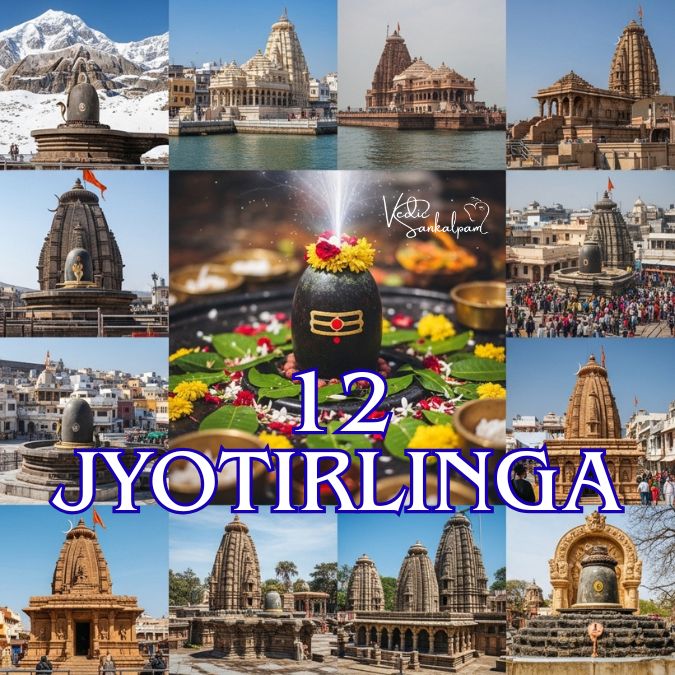
A Jyotirlinga literally means “pillar of light.” According to Hindu scriptures, these are sacred shrines where Lord Shiva manifested as a fiery column of light, proving his supremacy over other gods. The word “Jyoti” means light, and “linga” represents the formless aspect of Lord Shiva. These aren’t just ordinary temples; they’re considered self-manifested representations of the divine, making them incredibly powerful places of worship.
In Hindu mythology, visiting all 12 Jyotirlingas is believed to wash away sins and lead devotees toward moksha or spiritual liberation. Each temple has its own unique story, architectural beauty, and spiritual significance that draws pilgrims from around the world.
The Legend Behind the 12 Jyotirlingas
The origin story of the Jyotirlingas is fascinating and deeply rooted in Hindu mythology. According to the Shiva Purana, once Lord Brahma and Lord Vishnu had an argument about who was superior. To settle this dispute, Lord Shiva manifested as an infinite pillar of light that pierced through the earth and soared into the heavens.
Brahma took the form of a swan and flew upward to find the top of the column, while Vishnu transformed into a boar and dug downward to find its base. After searching for thousands of years, neither could find the beginning or end of this cosmic pillar. This proved Shiva’s supremacy as the infinite, formless reality beyond all comprehension.
Impressed by Vishnu’s honesty in admitting defeat, but angered by Brahma’s false claim of having found the top, Shiva cursed Brahma to not be worshipped in temples. He then manifested in 12 different locations across India as Jyotirlingas, where devotees could experience his divine presence directly.
List of the 12 Jyotirlingas
1. Somnath Jyotirlinga (Gujarat)

Located in Prabhas Patan near Veraval in Gujarat, Somnath is considered the first among the 12 Jyotirlingas. The name “Somnath” means “Lord of the Moon,” and legend has it that the moon god Chandra worshipped Shiva here to be freed from a curse.
This temple has been destroyed and rebuilt multiple times throughout history, standing as a symbol of resilience and faith. The current structure, built in 1951, showcases beautiful Chalukya-style architecture. Positioned along the Arabian Sea coastline, the temple offers breathtaking views, especially during sunset.
The best time to visit is between October and March when the weather is pleasant. The evening aarti here is particularly mesmerizing, with the sound of waves complementing the devotional chants.
2. Mallikarjuna Jyotirlinga (Andhra Pradesh)
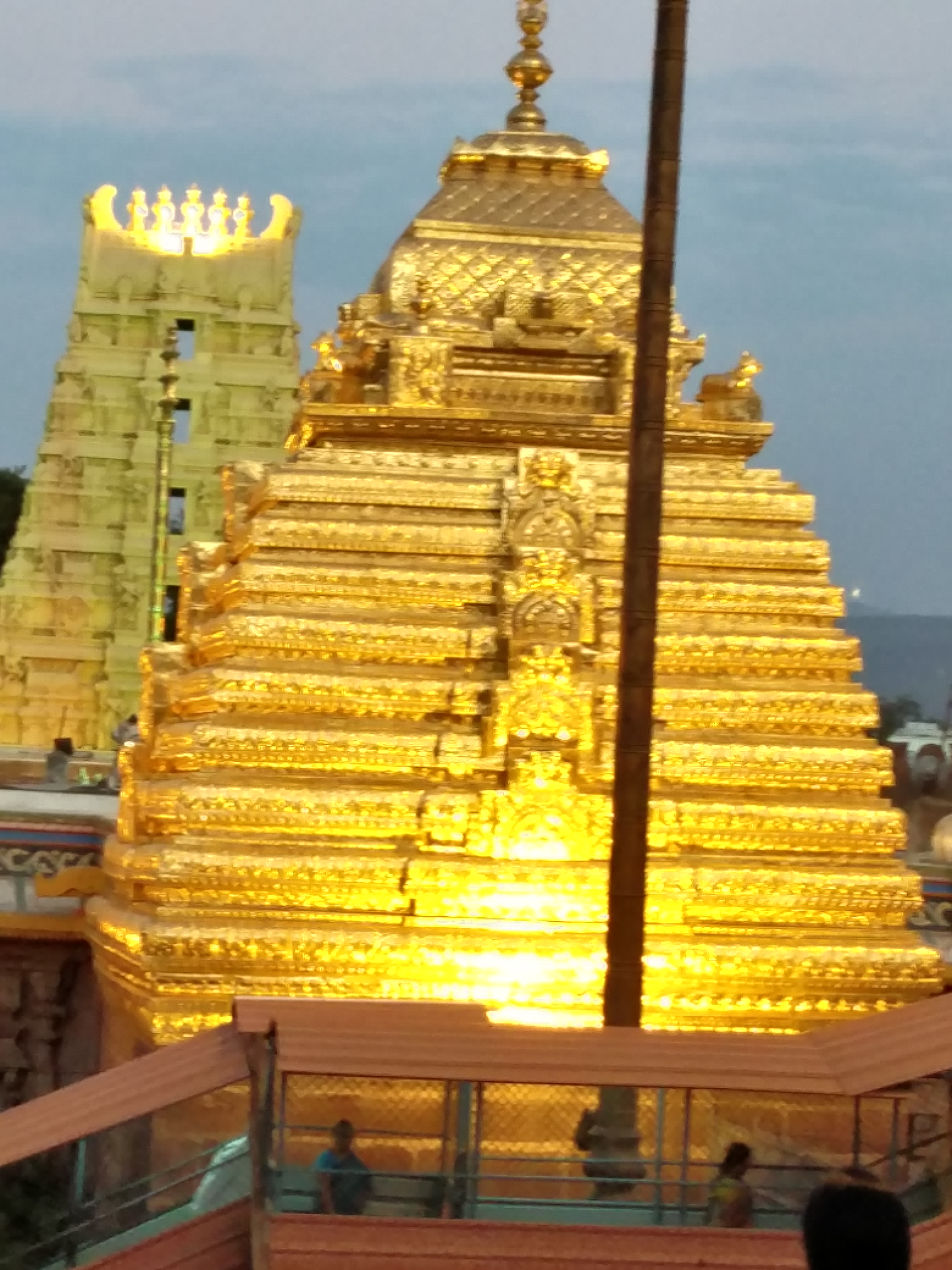
Situated on the Srisailam mountain along the banks of the Krishna River in Andhra Pradesh, Mallikarjuna is unique because it’s also one of the 18 Shakti Peethas. This means both Lord Shiva and Goddess Parvati are worshipped here together, making it doubly auspicious.
The temple complex is surrounded by dense forests that are now part of the Srisailam Tiger Reserve. The architecture reflects the Dravidian style with intricate carvings and towering gopurams. According to legend, when Lord Ganesha got married before his brother Kartikeya, an angry Kartikeya left Kailash and came to this mountain. Shiva and Parvati followed him here and manifested as Mallikarjuna and Bhramaramba.
The temple remains open throughout the year, but visiting during Maha Shivaratri offers a particularly intense spiritual experience with lakhs of devotees gathering for special pujas.
3. Mahakaleshwar Jyotirlinga (Madhya Pradesh)

Mahakaleshwar in Ujjain, Madhya Pradesh, holds a special distinction among the 12 Jyotirlingas. The lingam here is said to be Swayambhu, meaning self-manifested, and faces south, unlike most Shiva lingams which face east. This southward-facing orientation is called Dakshinamurti, representing Shiva as the supreme guru and teacher.
What makes Mahakaleshwar truly unique is the famous Bhasma Aarti performed every morning at 4 AM. During this ritual, the lingam is adorned with fresh ash from a cremation ground, symbolizing the cycle of death and rebirth. Witnessing this aarti is considered extremely auspicious, though you need to book in advance as permits are required.
The temple sits on the banks of the Shipra River, and Ujjain itself is one of the four cities that host the Kumbh Mela, the world’s largest religious gathering. The spiritual energy here is palpable, especially during the early morning hours.
4. Omkareshwar Jyotirlinga (Madhya Pradesh)

Omkareshwar is located on an island called Mandhata or Shivapuri in the Narmada River in Madhya Pradesh. The island’s shape resembles the Hindu symbol “Om,” which gives this Jyotirlinga its name. Actually, there are two temples here: Omkareshwar and Mamleshwar, and both are considered sacred.
The journey to Omkareshwar involves crossing the river, which adds to the spiritual experience. The temple architecture is a beautiful blend of Hindu and Mughal styles, with a five-story structure and ornate carvings. The surrounding ghats and the holy Narmada River create a serene atmosphere perfect for meditation and reflection.
Legend says that the gods once worshipped Shiva here to gain victory over demons. Pleased with their devotion, Shiva manifested as Omkareshwar. The parikrama (circumambulation) around the island is considered highly meritorious and takes about 2-3 hours to complete.
5. Kedarnath Jyotirlinga (Uttarakhand)

Nestled in the majestic Garhwal Himalayas at an altitude of 3,583 meters, Kedarnath is perhaps the most challenging Jyotirlinga to reach. This remote location adds to its mystique and spiritual significance. The temple stands against a backdrop of snow-capped peaks, creating a breathtaking sight that feels like the gateway to heaven.
According to the Mahabharata, after the great war, the Pandavas sought Lord Shiva’s blessings to absolve themselves of the sin of killing their relatives. Shiva, avoiding them, took the form of a bull and dove into the ground at Kedarnath. The hump of the bull remained above ground, which is worshipped as the Kedarnath Jyotirlinga.
The temple opens only from April to November due to extreme winter conditions. The 16-kilometer trek from Gaurikund to Kedarnath is arduous but spiritually rewarding. For those unable to trek, helicopter services are available. The 2013 floods devastated the region, but the temple miraculously survived, standing as a testament to divine protection.
6. Bhimashankar Jyotirlinga (Maharashtra)

Located in the Sahyadri hills of Maharashtra, about 110 kilometers from Pune, Bhimashankar is surrounded by dense forests that are now a wildlife sanctuary. This sanctuary is home to the Indian Giant Squirrel and various rare species of flora and fauna.
The temple’s architecture follows the Nagara style with intricate stone carvings depicting scenes from Hindu mythology. The bell-shaped shikhara and the carved pillars showcase exceptional craftsmanship. According to legend, Lord Shiva defeated the demon Tripurasura here, and from his sweat, the Bhima River originated.
The trek through the forest to reach the temple is an experience in itself, with lush greenery and the sounds of nature creating a meditative atmosphere. The best time to visit is during the monsoon or winter when the forest is at its most beautiful. The annual fair during Maha Shivaratri sees thousands of devotees trekking to seek Shiva’s blessings.
7. Kashi Vishwanath Jyotirlinga (Uttar Pradesh)

In the ancient city of Varanasi, Kashi Vishwanath stands as one of the most revered temples in India. Varanasi itself is considered the holiest city in Hinduism, and having a Jyotirlinga here makes it doubly sacred. The temple has been destroyed and rebuilt several times over centuries, with the current structure dating back to 1780, built by Maharani Ahilyabai Holkar.
What makes Kashi Vishwanath extraordinary is its location in the spiritual capital of India. The temple’s golden spire and domes, which were donated by Maharaja Ranjit Singh, gleam above the narrow lanes of the old city. The Ganga Aarti at the nearby ghats combined with a visit to this Jyotirlinga creates an overwhelming spiritual experience.
Hindus believe that dying in Kashi leads directly to moksha, and many devotees spend their final days here. The temple sees an endless stream of pilgrims year-round, with special significance during Shrawan month and Maha Shivaratri. The energy here is unlike anywhere else—a perfect blend of ancient tradition, devotion, and the eternal presence of Shiva.
8. Trimbakeshwar Jyotirlinga (Maharashtra)

Trimbakeshwar, located near Nashik in Maharashtra, is unique because the lingam here has three faces representing Brahma, Vishnu, and Shiva—the holy trinity. This is the only Jyotirlinga with this distinctive feature. The temple sits at the foothills of the Brahmagiri mountain, from where the sacred Godavari River originates.
The architecture here is exceptional, with black stone construction and intricate carvings throughout. The crown-shaped shikhara is particularly impressive. The lingam is installed in a depression on the floor, and priests perform puja by pouring holy water from the Godavari over it.
Trimbakeshwar holds special significance for performing the Narayan Nagbali ritual, which is believed to absolve ancestors of sins. The Kumbh Mela is held here every 12 years, drawing millions of pilgrims. The journey to the origin of the Godavari at Brahmagiri mountain is considered highly auspicious, though it involves a challenging trek.
9. Vaidyanath Jyotirlinga (Jharkhand)

Located in Deoghar, Jharkhand, Vaidyanath means “Lord of Physicians,” and this Jyotirlinga is believed to have healing powers. According to legend, when Ravana performed intense penance to please Lord Shiva, he offered his ten heads one by one. Impressed, Shiva granted him immense power but placed a condition that if Ravana placed the lingam he carried on the ground, it would remain fixed there forever.
The temple complex contains 22 other temples, creating a significant pilgrimage site. The main temple’s architecture is simple yet elegant, with a pyramidal tower and a gold-plated kalash on top. During the month of Shrawan, millions of devotees called “Bhole Baba” or “Kanwariyas” carry holy water from the Ganges at Sultanganj and walk over 100 kilometers to offer it at Vaidyanath.
This annual pilgrimage is a sight to behold, with devotees dressed in orange, chanting “Bol Bam,” creating an electrifying atmosphere of devotion. The temple remains crowded throughout the year, but visiting during this period offers a unique cultural and spiritual experience.
10. Nageshwar Jyotirlinga (Gujarat)

Situated near Dwarka in Gujarat, Nageshwar is believed to be the first Jyotirlinga on earth according to some texts. The temple is relatively modern, with a large complex that includes a 25-meter tall statue of Lord Shiva in a seated posture, which is one of the tallest Shiva statues in India.
The name “Nageshwar” means “Lord of Serpents,” and the temple is associated with protection from all poisons, particularly snake venom. Legend tells of a demon named Daruka who imprisoned a Shiva devotee named Supriya. When Supriya prayed to Lord Shiva, he manifested as Nageshwar and destroyed the demon.
The peaceful coastal location adds to the temple’s charm, making it a serene place for worship. The temple architecture is relatively simple compared to other ancient Jyotirlingas, but the spiritual significance remains profound. The nearby Dwarka, one of the four Char Dham pilgrimage sites, makes this location doubly important for pilgrims.
11. Rameshwaram Jyotirlinga (Tamil Nadu)

Located on Pamban Island in Tamil Nadu, Rameshwaram holds a unique position as both a Jyotirlinga and one of the Char Dham pilgrimage sites. The temple is intimately connected with the Ramayana epic. After defeating Ravana in Lanka, Lord Rama wanted to absolve himself of the sin of killing a Brahmin (as Ravana was a learned scholar). He established a lingam here and worshipped Lord Shiva.
The Ramanathaswamy Temple is an architectural marvel with the longest corridor among all Hindu temples in India—nearly 1,220 meters. The temple has 22 theerthams (holy water bodies), and devotees take a holy dip in all of them before worshipping the main deity. The ritual of pouring water from each theertham over yourself is believed to wash away sins.
The temple’s intricate corridors with elaborately carved pillars create a mesmerizing effect. The location on an island, connected to mainland India by the iconic Pamban Bridge, adds to the spiritual journey. Visiting both Varanasi (in the north) and Rameshwaram (in the south) is considered essential for a complete Hindu pilgrimage.
12. Grishneshwar Jyotirlinga (Maharashtra)

Located near the famous Ellora Caves in Aurangabad, Maharashtra, Grishneshwar is the last and smallest of the 12 Jyotirlingas, but certainly not the least in significance. The temple was reconstructed by Rani Ahilyabai Holkar in the 18th century and showcases beautiful red rock architecture.
The legend behind this temple involves a devoted woman named Kusuma whose prayers brought her dead son back to life. Impressed by her devotion, Lord Shiva manifested here as Grishneshwar. The temple’s proximity to the Ellora Caves, a UNESCO World Heritage Site, makes it a popular stop for both pilgrims and tourists.
Despite being small in size, the temple’s spiritual atmosphere is powerful. The intricate carvings on the red stone depict various forms of Shiva and scenes from Hindu mythology. The temple’s shikhara is beautifully designed, and the peaceful surroundings create an ideal environment for meditation and prayer.
Spiritual Benefits of Visiting the 12 Jyotirlingas
Why do millions of devotees undertake the challenging journey to visit all 12 Jyotirlingas? The answer lies in the profound spiritual benefits associated with this pilgrimage. According to Hindu scriptures, visiting these sacred shrines purifies the soul and brings devotees closer to moksha—liberation from the cycle of birth and death.
Each Jyotirlinga represents a different aspect of Lord Shiva’s infinite power. When you visit these temples with pure devotion and intention, you’re not just visiting physical locations; you’re connecting with different frequencies of divine energy. Think of it like tuning into different radio stations—each Jyotirlinga broadcasts a unique spiritual frequency that resonates with different aspects of your consciousness.
Devotees who have completed the pilgrimage often report profound personal transformations. Many speak of finding solutions to long-standing problems, experiencing healing of physical ailments, gaining mental peace, and developing a deeper understanding of life’s purpose. The journey itself becomes a meditation, stripping away worldly concerns and focusing the mind on the divine.
Beyond personal benefits, the pilgrimage strengthens your connection with India’s rich spiritual heritage. You witness the incredible diversity of landscapes, cultures, and architectural styles across the country, all united by devotion to Lord Shiva. This journey becomes not just a religious obligation but a life-changing adventure that broadens your perspective and deepens your faith.
Planning Your Jyotirlinga Pilgrimage
Best Route for Visiting All 12 Jyotirlingas
Planning a pilgrimage to all 12 Jyotirlingas requires careful consideration of geography, weather, and logistics. The temples are spread across India from the Himalayas to the southern tip, so completing the circuit can take anywhere from two weeks to several months, depending on your pace and travel style.
A practical route might start in Gujarat with Somnath and Nageshwar (both near Dwarka), then move to Maharashtra for Bhimashankar, Trimbakeshwar, and Grishneshwar. From there, head to Madhya Pradesh for Mahakaleshwar and Omkareshwar, before moving north to Uttar Pradesh for Kashi Vishwanath. Next, tackle the challenging Kedarnath in Uttarakhand, followed by Vaidyanath in Jharkhand. Continue south to Andhra Pradesh for Mallikarjuna, and finally complete your journey at Rameshwaram in Tamil Nadu.
Some pilgrims prefer to do the circuit in segments over several years, while others organize it as one continuous journey. Travel agencies specializing in religious tourism offer packaged tours that handle all logistics, though independent travel allows for more flexibility and personal reflection time.
Travel Tips and Accommodation
Each Jyotirlinga location offers different types of accommodation, from simple dharamshalas (pilgrim rest houses) to comfortable hotels. Booking in advance is essential, especially during peak pilgrimage seasons like Shrawan month, Maha Shivaratri, and major festivals.
Pack comfortable clothes suitable for temple visits—traditional attire is appreciated, and many temples have dress codes. Carry a small bag for offerings like flowers, coconuts, and incense. Keep yourself hydrated and carry necessary medications, especially if you’re visiting high-altitude temples like Kedarnath.
Most temples have specific darshan (viewing) timings that vary by season. Early morning darshan often offers a more peaceful experience with fewer crowds. Some temples like Mahakaleshwar require advance booking for special rituals. Check official temple websites or contact temple authorities for current information.
Respect local customs and traditions at each location. Photography may be restricted inside temple sanctums. Maintain silence and reverence within temple premises. Consider hiring local guides who can share fascinating stories and historical details about each temple.
Rituals and Offerings
While visiting the Jyotirlingas, understanding basic rituals enhances your spiritual experience. The most common offering is Jalabhishek—pouring water or milk over the lingam. Many devotees bring holy Ganga water for this purpose. Other offerings include bilva leaves (sacred to Shiva), flowers (especially white), fruits, and coconuts.
The Rudrabhishek puja is a powerful ritual performed at Jyotirlingas where the lingam is bathed with various sacred items including milk, yogurt, honey, ghee, and sugar while Vedic mantras are chanted. This elaborate ritual can be arranged through temple priests and is believed to fulfill wishes and remove obstacles.
Participation in the evening aarti (devotional ceremony) is a must at every Jyotirlinga. The combination of ringing bells, devotional songs, and the fragrance of incense creates an atmosphere charged with divine energy. This is often the most emotionally powerful part of the pilgrimage experience.
Circumambulation (parikrama) around the temple is considered highly auspicious. At some locations like Omkareshwar, the parikrama around the entire island is particularly significant. Performing these rituals with faith and devotion, rather than as mere routine, makes all the difference in your spiritual journey.
Conclusion
The 12 Jyotirlingas represent more than just religious monuments; they’re living embodiments of India’s spiritual heritage and Lord Shiva’s infinite grace. Each temple tells a unique story, set against diverse landscapes ranging from coastal shores to dense forests to towering Himalayan peaks. Together, they create a sacred circuit that has drawn pilgrims for thousands of years.
Undertaking this pilgrimage is not just about checking off destinations on a list. It’s about transformation—of shedding your worldly identity and reconnecting with your divine essence. Whether you complete the journey in one trip or spread it over a lifetime, each Jyotirlinga you visit will leave an indelible mark on your soul.
In our fast-paced modern world, these ancient temples offer something precious—a chance to slow down, reflect, and reconnect with something greater than ourselves. The journey to the 12 Jyotirlingas is ultimately a journey within, where the destination isn’t a place but a state of consciousness. As Lord Shiva himself is formless and infinite, so too does this pilgrimage open us to infinite possibilities of spiritual awakening.
So, are you ready to embark on this transformative journey? Remember, the path to these sacred shrines begins not with the first step outside your door, but with the first stirring of devotion in your heart.
FAQs
1. How much time does it take to visit all 12 Jyotirlingas?
Completing the entire circuit typically takes between 15 to 30 days if done continuously, depending on your mode of transport and the time spent at each location. However, many devotees spread the pilgrimage over several years, visiting a few temples at a time. Factors like weather (Kedarnath is inaccessible in winter), personal schedule, and budget play important roles in planning. Organized tour packages usually complete the journey in about 20-25 days.
2. Which is the most difficult Jyotirlinga to reach?
Kedarnath in Uttarakhand is undoubtedly the most challenging due to its high-altitude location at 3,583 meters in the Himalayas. It requires a 16-kilometer trek from Gaurikund through steep mountain paths, though helicopter services are available for those unable to trek. The temple is also only accessible from April to November due to heavy snowfall. Proper physical preparation and acclimatization are essential for this part of the journey.
3. Can I visit the Jyotirlingas in any order?
Yes, there’s no prescribed order for visiting the 12 Jyotirlingas. While some traditional texts suggest specific sequences, most pilgrims plan their route based on practical considerations like geography, weather, and personal circumstances. What matters most is the devotion and sincerity with which you undertake the pilgrimage, not the sequence in which you visit the temples.
4. What is the best time of year for the Jyotirlinga pilgrimage?
The ideal time depends on which temples you’re visiting. Generally, October to March offers pleasant weather for most locations. However, avoid visiting Kedarnath during this period as it remains closed. The month of Shrawan (July-August) is considered especially auspicious for Shiva worship, though this is monsoon season and some locations may be challenging to access. Avoid peak summer (April-June) for temples in central and southern India due to extreme heat.
5. Are there any special rules or restrictions when visiting Jyotirlingas?
Most temples have basic guidelines: dress modestly (traditional attire preferred), remove shoes before entering, maintain silence and cleanliness, and respect photography restrictions. Some temples don’t allow leather items inside. Non-Hindus are generally welcome at most Jyotirlingas, though some may have restrictions in the inner sanctum. During peak times, you may need to book darshan slots in advance. Women are welcomed at all Jyotirlingas, though menstruating women traditionally avoid entering the sanctum as per temple customs.