Introduction to Vastu Shastra and Toilets
Have you ever wondered why some homes feel more peaceful and prosperous than others? The ancient Indian science of Vastu Shastra might hold the answer. Vastu is all about creating harmony between your living space and the natural energies that surround us. And believe it or not, even something as mundane as your toilet’s direction can significantly impact the energy flow in your home.
Toilets and bathrooms are essential parts of modern living, but according to Vastu principles, they’re also spaces where negative energy can accumulate if not positioned correctly. That’s why understanding the right toilet direction as per Vastu isn’t just about following tradition—it’s about creating a healthier, more balanced environment for you and your family.
Why Toilet Direction Matters in Vastu
Think of your home as a living organism with energy channels flowing through it. In Vastu Shastra, every direction has its ruling deity and elemental force. When you place a toilet in the wrong direction, it’s like blocking one of these vital energy pathways.
Toilets are considered places where waste is eliminated, both physically and energetically. If positioned incorrectly, they can drain positive energy from important areas of your life—like your health, wealth, or relationships. The direction of your toilet can influence everything from your financial stability to your mental peace. Sounds dramatic? Perhaps. But countless homeowners have reported positive changes after making simple Vastu adjustments to their bathroom placements.
Best Directions for Toilet Placement
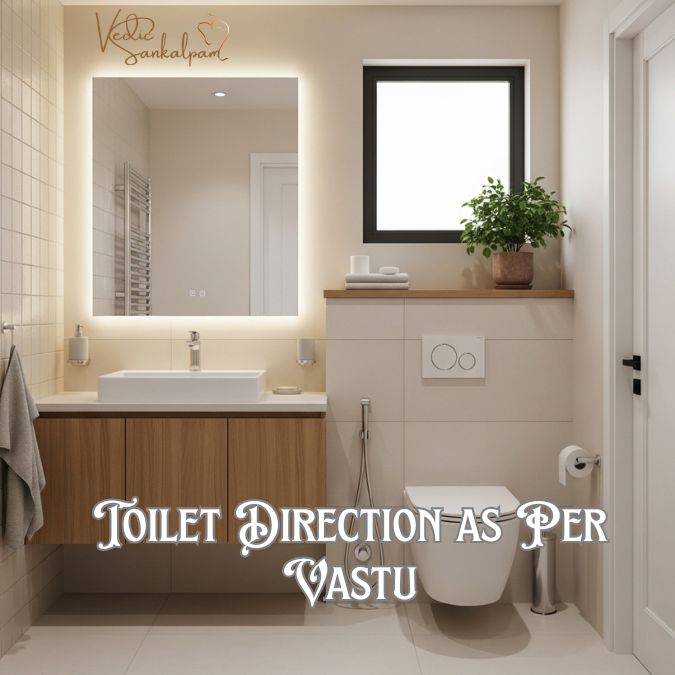
Let’s get to the heart of the matter. Where should you actually place your toilet according to Vastu? There are a few favorable directions that won’t disrupt the energy balance of your home.
North-West Direction
The north-west direction is considered the most favorable for toilet placement in Vastu. This zone is associated with the air element and is governed by Vayu, the wind god. Since air naturally moves and disperses, having a toilet here helps negative energy flow away from your home rather than stagnating.
When you position your toilet in the north-west, you’re essentially creating a natural exit point for unwanted energies. Many Vastu experts consider this the ideal location because it minimizes the negative impact on other important life aspects. Homeowners with north-west toilets often report fewer health issues and better overall harmony in their households.
West Direction
The west direction serves as a secondary option for toilet placement. While not as ideal as the north-west, it’s still acceptable according to Vastu principles. The west is associated with gains and profits, but placing a toilet here won’t necessarily drain your finances if done correctly.
If you’re building a new home or renovating, and the north-west isn’t available, the west direction provides a reasonable alternative. Just make sure the toilet seat faces either north or south when someone is using it—never east or west.
South Direction
The south direction can work for toilet placement, though it requires more careful consideration. The southern zone relates to fame and reputation, so having a toilet here needs to be balanced with other Vastu remedies to prevent any negative impacts on your social standing or career growth.
If your toilet must be in the south, ensure proper ventilation and keep the space extremely clean. Regular purification with natural elements like sea salt or camphor can help neutralize any negative energies.
Directions to Avoid for Toilet Construction
Just as some directions welcome toilet placement, others should be avoided at all costs. These prohibited zones can seriously disrupt the energy flow in your home.
North-East Direction
The north-east is perhaps the most sacred direction in Vastu Shastra. Known as the “Ishanya” corner, it’s associated with water element, spiritual growth, and divine energy. This is where deities reside energetically, and it’s considered the entry point for positive cosmic energy.
Placing a toilet in the north-east is like putting a roadblock on prosperity’s highway. This placement can lead to health problems, financial difficulties, and obstacles in children’s education. If you’re house-hunting, this is one of those non-negotiable factors you should check immediately.
South-West Direction
The south-west corner represents stability, relationships, and the head of the household. It’s the heaviest direction in Vastu, where earth energy dominates. A toilet here can destabilize family relationships, cause health issues to the family’s primary earner, and create general instability in life.
Many Vastu consultants have observed that homes with south-west toilets often experience marital discord or challenges with authority figures. The south-west should ideally house the master bedroom, not a waste disposal area.
East Direction
The east is where the sun rises, bringing new beginnings and positive energy. This direction governs health and vitality. A toilet in the east can drain your physical energy and create health complications, particularly related to immunity and vitality.
While not as severely problematic as north-east placement, an eastern toilet still goes against Vastu principles. If you have no choice, implement remedies like keeping the toilet door always closed and using Vastu-approved colors.
Vastu Guidelines for Toilet Seat Direction
It’s not just where your toilet is placed—the direction you face while using it matters too. According to Vastu, the ideal toilet seat orientation is facing either north or south. This alignment helps maintain the natural flow of energy through your body and the space.
Never position the toilet seat so that you face east or west while using it. The east-west axis is considered the path of spiritual energy, and disrupting it during such activities can create energetic imbalances. Most modern toilet designs make this easy to adjust during installation, so communicate this requirement to your plumber or contractor.
Common Vastu Mistakes in Toilet Design
Even when the direction is correct, several design mistakes can undermine Vastu compliance. One frequent error is sharing a common wall between the toilet and the kitchen or prayer room. These spaces have opposite energies—one eliminates waste, the other nourishes—and they should never be adjacent.
Another mistake is placing the overhead water tank above the toilet. Water represents wealth in Vastu, and positioning it above a waste area symbolically drains your finances. Similarly, having a toilet directly under a staircase creates pressure from above and disrupts energy flow.
Many people also overlook the importance of keeping toilet doors closed. An open toilet door allows negative energy to spread throughout the home. Make it a household rule to keep bathroom doors shut when not in use.
Remedies for Incorrectly Placed Toilets
What if you’re already living in a home with a poorly placed toilet? Relocating isn’t always practical, but Vastu offers several remedies that can minimize the negative effects.
Using Vastu Pyramids
Vastu pyramids are powerful energy correction tools. Place a metal pyramid on the outside wall of the toilet (on the side facing the problematic direction) to deflect negative energies. These pyramids work by restructuring the energy field and creating a protective barrier.
Placing Specific Plants
Certain plants have natural purifying properties. Keep a money plant or bamboo plant near the toilet area (but outside, not inside the bathroom). These plants absorb negative energies and help maintain balance. Just ensure the plants remain healthy—wilted plants can worsen the situation.
Salt Water Remedy
Here’s a simple yet effective remedy: Place a bowl of sea salt mixed with water in the toilet corner. Change this mixture every Saturday. Salt is known for its ability to absorb negative vibrations. This ancient practice costs almost nothing but can make a noticeable difference in the energy quality of your home.
Vastu Tips for Attached Bathrooms
Modern homes often have attached bathrooms within bedrooms. While convenient, these need special Vastu consideration. The attached bathroom should ideally be in the west or north-west portion of the bedroom, never in the north-east or south-west corners.
Always keep the bathroom door closed, especially at night. The energy exchange between bedroom and bathroom should be minimal since these spaces serve opposite purposes—one for rest and rejuvenation, the other for cleansing and elimination.
If your attached bathroom is in an unfavorable direction, use a partition or screen to create energetic separation. Heavy curtains can also help, though they need regular cleaning to remain effective.
Color Recommendations for Toilets as Per Vastu
Colors carry vibrational frequencies that influence our mood and energy. For toilets, Vastu recommends light, soothing colors that help maintain cleanliness and positive vibration.
White is the top choice—it represents purity and cleanliness. Light shades of blue work well too, as they’re calming and associated with the water element. Pastel shades of pink or cream are also acceptable.
Avoid dark colors like black, dark blue, or dark red in toilets. These absorb and retain negative energy. Similarly, extremely bright colors like orange or bright yellow can be too stimulating for a space meant for elimination and cleansing.
Ventilation and Lighting Requirements
Proper ventilation isn’t just a hygiene concern—it’s a Vastu necessity. Stagnant air in toilets allows negative energy to accumulate. Install exhaust fans or ensure windows provide adequate cross-ventilation. Natural airflow is always preferable to mechanical ventilation when possible.
Lighting plays an equally important role. Toilets should never be dark or dimly lit. Good lighting uplifts the energy and prevents the space from becoming a reservoir of negative vibrations. If natural light isn’t available, use bright artificial lighting. Some Vastu experts recommend leaving a small night light on in bathrooms to maintain continuous positive energy flow.
Mirror Placement in Toilets
Mirrors are powerful Vastu elements that can either amplify or redirect energy. In toilets, place mirrors on the north or east walls. Never position a mirror directly facing the toilet seat, as this reflects and doubles the negative energy.
The mirror should also never face the bathroom door. When you open the door, the first thing you see shouldn’t be your reflection from the bathroom mirror—this creates confusion in energy flow. Position mirrors thoughtfully to enhance light and space without creating energetic conflicts.
Benefits of Following Vastu for Toilets
Why go through all this trouble? The benefits of Vastu-compliant toilet placement extend far beyond superstition. Families living in Vastu-aligned homes often report improved health, particularly fewer digestive and urinary tract issues.
Financial stability tends to improve when toilets aren’t draining wealth-related directions. Many people notice better sleep quality and mental peace when their bedrooms don’t share problematic walls with bathrooms. Children’s academic performance can improve when the north-east corner—associated with wisdom and learning—remains free from toilet placement.
On a psychological level, knowing your home follows harmonious principles creates mental peace. There’s something comforting about living in alignment with ancient wisdom, even in our modern world.
Conclusion
Toilet direction as per Vastu might seem like a small detail in the grand scheme of home design, but its impact can be surprisingly significant. By following these guidelines—placing toilets in favorable directions like north-west or west, avoiding sacred zones like north-east and south-west, and implementing simple remedies when needed—you can create a more harmonious living environment.
Remember, Vastu isn’t about blind faith or superstition. It’s about working with natural energies rather than against them. Whether you’re building a new home or adjusting an existing one, these principles offer practical wisdom accumulated over thousands of years. Your toilet’s direction is just one piece of the puzzle, but getting it right can contribute to better health, prosperity, and overall wellbeing for your entire family.
FAQs
1. Can I have a toilet in the center of my house according to Vastu?
No, the center of your home, known as the Brahmasthan, should remain absolutely free from toilets or any heavy structures. This central zone is considered the heart of your home where maximum positive energy concentrates. A toilet here can create serious health and financial problems. If you already have this placement, use strong Vastu remedies or consider renovation if possible.
2. What should I do if my toilet is in the north-east direction?
While this is the most unfavorable placement, you can minimize negative effects through remedies. Keep the toilet impeccably clean, use a Vastu pyramid on the outer wall, place a bowl of sea salt inside (changed weekly), and ensure the door remains closed always. Consider painting the walls in light colors and maintaining excellent ventilation. Some people also place specific Vastu yantras to neutralize the negative energy.
3. Is it okay to have a toilet above the main entrance?
This is not recommended in Vastu. The main entrance is where positive energy enters your home, and having a toilet directly above it creates energetic contamination. If you have this situation in a multi-story home, use remedies like hanging a Vastu metal strip between the floors or placing lead metal pyramids to deflect the negative impact.
4. How does toilet placement affect health according to Vastu?
Vastu associates different directions with specific health aspects. A north-east toilet can cause immunity issues and chronic diseases. South-west placement may affect bones, joints, and the household head’s health. Eastern toilets impact vitality and energy levels. Following proper toilet direction helps maintain better overall health by not disrupting the natural energy flow that supports physical wellbeing.
5. Can toilet direction affect my finances and career?
Absolutely. The north direction relates to career opportunities, while the north-west governs financial gains. A toilet in the north-east (the zone of prosperity) can significantly drain wealth. South-west toilet placement can destabilize the primary earner’s career. Following Vastu principles for toilet direction helps protect these important life areas by maintaining proper energy flow in zones connected to professional and financial success.