Have you ever watched flames dance upward while ancient chants fill the air, creating an atmosphere so sacred it touches your soul? That’s the essence of a Homam, one of the most powerful spiritual practices in Hindu tradition. But what exactly makes this fire ritual so special, and why has it survived thousands of years?
What is Homam?
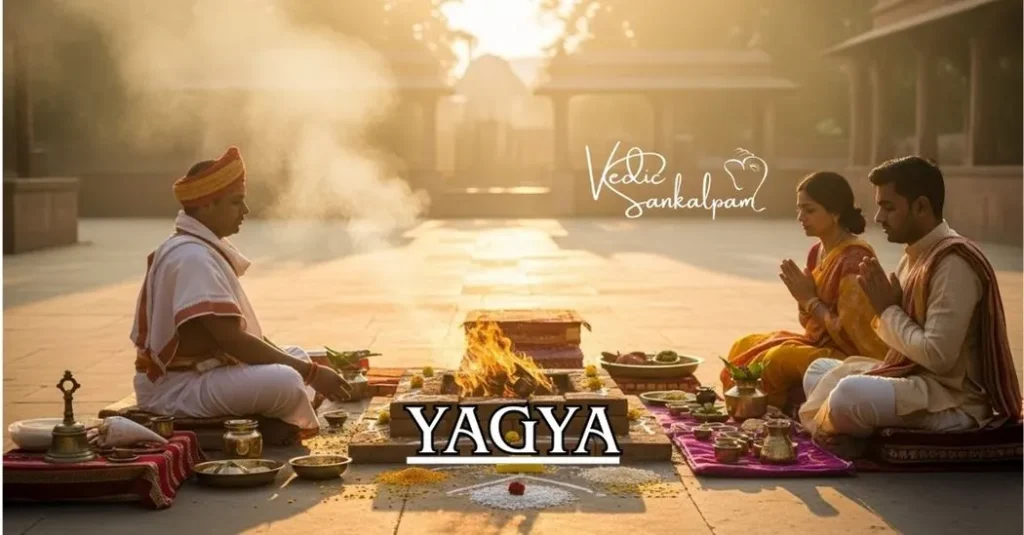
A Homam, also known as Havan or Yajna, is a sacred fire ritual rooted in ancient Vedic traditions. Think of it as a spiritual offering ceremony where prayers and intentions are carried to the divine through the medium of fire. The word “Homam” comes from the Sanskrit root “hu,” which means “to offer” or “to sacrifice.”
Ancient Origins of Homam
The practice of Homam stretches back over 5,000 years to the Vedic period of ancient India. Our ancestors discovered that fire wasn’t just a physical element but a bridge between the earthly and divine realms. The Vedas, ancient spiritual texts, describe Agni (fire) as a messenger who carries offerings to the gods. Pretty fascinating, right?
The Sacred Fire Ritual
At its core, a Homam is about transformation. Just as fire transforms wood into ash, this ritual transforms negative energy into positive vibrations. The ceremony involves making offerings into a consecrated fire while chanting specific mantras, creating an energy field that purifies both the environment and the participants.
The Deep Spiritual Meaning Behind Homam
Connection Between Fire and Divinity
Why fire, you might ask? In Vedic philosophy, fire represents consciousness, purity, and divine energy. It’s considered the purest of the five elements because it cannot be polluted. When you offer something to fire, it doesn’t just burn—it undergoes a complete transformation, much like how spiritual practices transform our consciousness.
Transformation Through Sacred Flames
The flames in a Homam symbolize the burning away of ego, desires, and negative tendencies. Each offering represents letting go of something that no longer serves your highest good. It’s like spring cleaning for your soul, where you’re releasing old patterns and making space for growth and enlightenment.
Why Do People Perform Homam?
Seeking Divine Blessings
People perform Homam to invoke specific divine energies into their lives. Whether you’re starting a new business, getting married, or beginning any important venture, a Homam creates an auspicious atmosphere filled with positive vibrations. It’s like calling upon the universe’s support system to align circumstances in your favor.
Removing Obstacles and Negativity
Life throws curveballs, doesn’t it? Sometimes we face repeated obstacles, health challenges, or persistent negative patterns. Specific Homams are designed to remove these blockages. The Ganapathy Homam, for instance, invokes Lord Ganesha, the remover of obstacles, to clear your path forward.
Healing and Prosperity
Homams are performed for healing physical ailments, attracting prosperity, ensuring safety during travel, and even improving relationships. Each type of Homam addresses different life areas, functioning like spiritual medicine tailored to specific needs.
Different Types of Homam
Ganapathy Homam
This is one of the most popular Homams, dedicated to Lord Ganesha. Performed to remove obstacles and ensure success in new beginnings, it’s commonly conducted before starting businesses, moving into new homes, or beginning educational pursuits.
Navagraha Homam
Feeling like the planets aren’t in your favor? The Navagraha Homam addresses the influence of the nine celestial bodies in Vedic astrology. It’s believed to balance planetary energies that might be causing difficulties in your life.
Ayushya Homam
This longevity ritual is performed for health, vitality, and long life. Families often conduct this Homam for loved ones who are ill or to promote overall well-being and protection from diseases.
Other Specialized Homams
There are dozens of specialized Homams: Lakshmi Homam for wealth, Sudarshana Homam for protection, Mrityunjaya Homam for overcoming life-threatening situations, and Saraswati Homam for wisdom and learning. Each serves a unique spiritual purpose.
The Complete Homam Process Explained
Preparation and Purification
Before the ceremony begins, participants typically bathe and wear clean, preferably traditional clothes. The space is cleaned thoroughly, and sometimes even the ground is specially prepared with cow dung (a natural purifier in Indian tradition). Mental preparation through meditation or prayer is equally important.
Setting Up the Sacred Space
A square or rectangular fire pit (called a Homa Kundam) is constructed or set up, usually in the center of the ritual space. The area around it is decorated with flowers, mango leaves, and sacred symbols like the Swastika or Om. It’s like creating a spiritual stage for divine presence.
The Role of the Priest
A trained priest (Purohit) who knows the specific mantras and procedures conducts the ceremony. Their knowledge isn’t just academic—they’ve undergone years of training to pronounce Sanskrit mantras correctly and perform rituals with precision. Think of them as spiritual technicians who know exactly which buttons to press.
Mantras and Invocations
The priest chants Vedic mantras throughout the ceremony. These aren’t random words but precise sound frequencies believed to resonate with specific divine energies. Each mantra serves a purpose—some invoke deities, others purify the space, and still others carry your intentions to the divine realm.
Essential Elements of a Homam Ceremony
The Sacred Fire (Agni)
The fire itself is considered a deity—Agni, the fire god. Before any offerings are made, Agni is invoked and worshipped. The fire must be lit using specific materials and following prescribed methods. A properly consecrated fire is believed to have the power to transform offerings into spiritual energy.
Offerings and Oblations
Various materials are offered into the fire: ghee (clarified butter), grains like rice and sesame seeds, herbs, honey, coconut pieces, and specific woods like sandalwood. Each offering is accompanied by the chanting of “Swaha,” meaning “I offer this.”
Significance of Each Ingredient
Nothing in a Homam is random. Ghee represents purity and nourishment, rice symbolizes abundance, sesame seeds help in cleansing karma, honey brings sweetness to life, and herbs have both medicinal and spiritual properties. When these burn together, they create a fragrant smoke that purifies the environment.
Spiritual Benefits of Homam
Inner Peace and Mental Clarity
Participating in a Homam creates a meditative state. The combination of fire gazing, rhythmic chanting, and focused intention calms the mind remarkably. Many people report feeling deeply peaceful and mentally clear after attending a Homam ceremony.
Karmic Cleansing
According to Vedic philosophy, we carry karmic impressions from our actions—both from this life and past lives. Homam is believed to burn away negative karmic residues, much like how fire burns away impurities from gold. It’s spiritual detoxification at its finest.
Strengthening Faith and Devotion
Regular participation in Homams deepens your spiritual connection. There’s something profoundly moving about witnessing ancient rituals that have been performed the same way for millennia. It connects you to a lineage of seekers and strengthens your own faith journey.
Scientific Perspective on Homam
Air Purification Properties
Modern research has found that the smoke from Homam fires has antimicrobial properties. The combination of medicinal herbs, cow ghee, and specific woods releases compounds that can purify the air, reduce bacteria, and even improve respiratory health. Ancient wisdom meets modern science!
Therapeutic Effects of Chanting
Studies on mantra chanting have revealed measurable benefits: reduced stress hormones, improved heart rate variability, enhanced focus, and even changes in brain wave patterns. The vibrations created during Homam ceremonies have a genuine physiological impact on participants.
How to Participate in a Homam
What You Need to Know as a Participant
You don’t need to be an expert to benefit from a Homam. Simply being present with an open heart and respectful attitude is enough. Some ceremonies allow direct participation where you can make offerings yourself, while others have you observe while the priest performs the ritual.
Proper Etiquette and Conduct
Dress modestly and traditionally if possible. Arrive on time, as punctuality shows respect. Keep your mind focused on positive intentions rather than letting it wander. Avoid crossing your legs or pointing your feet toward the fire or deities. And yes, it’s perfectly fine to ask questions before or after—not during—the ceremony.
Common Misconceptions About Homam
Many people think Homams are superstitious practices with no real value. That’s like saying meditation is just sitting quietly doing nothing. The ritual structure, the focused intention, and the community participation create a powerful psychological and spiritual experience.
Others believe only Hindus can benefit from Homam. Actually, the principles of offering, purification, and connecting with higher consciousness are universal. While the framework is Hindu, the spiritual benefits transcend religious boundaries.
Some worry that Homam is expensive or only for the wealthy. While some elaborate ceremonies can be costly, simple Homams are quite affordable, and many temples offer community Homams at minimal or no cost.
Conclusion
Homam represents one of humanity’s oldest and most beautiful spiritual practices—a testament to our ancestors’ understanding of energy, consciousness, and the sacred. Whether you view it through a religious lens, a spiritual perspective, or even a scientific framework, the power of Homam to transform, heal, and elevate consciousness remains undeniable.
This ancient fire ritual continues to light up lives in the modern world because it addresses something fundamentally human—our need for connection, purification, and meaning. The next time you see flames rising with the chant of sacred mantras, you’ll know you’re witnessing not just a ritual, but a bridge between earth and heaven, between the ordinary and the divine.
FAQs
1. How long does a typical Homam ceremony last? A Homam can last anywhere from one hour to several hours, depending on its type and complexity. Simple Homams might take 1-2 hours, while elaborate ones like Navagraha Homam can extend to 3-4 hours or even longer for multi-day ceremonies.
2. Can I perform Homam at home without a priest? While it’s preferable to have a trained priest conduct complex Homams, simple daily fire offerings (called Agnihotra) can be learned and performed at home. However, for specific purpose-driven Homams with intricate rituals, a knowledgeable priest is recommended to ensure proper procedure.
3. Are there any restrictions on who can attend a Homam? Generally, Homams are open to everyone regardless of age or gender, though some specific rituals might have traditional restrictions. Pregnant women are usually welcome but should sit at a comfortable distance from the fire. It’s always best to check with the organizing priest or temple.
4. What should I bring when attending a Homam? Typically, you might be asked to bring flowers, fruits, or specific materials depending on the Homam type. The organizers usually provide a list beforehand. If attending at a temple, a small donation or dakshina (offering to the priest) is customary but not mandatory.
5. How often should one perform Homam for maximum benefits? This depends on your spiritual goals and the type of Homam. Some people perform simple daily fire offerings, while others conduct specific Homams monthly, on auspicious dates, or during challenging life phases. Regular participation, even as an observer at temple ceremonies, can provide continuous spiritual benefits.