Have you ever wondered why some homes feel naturally more welcoming and peaceful than others? The ancient Indian science of Vastu Shastra might hold the answer. When it comes to east facing houses, there’s a wealth of wisdom that can transform your living space into a sanctuary of positive energy and prosperity. Let’s dive deep into the fascinating world of east facing house Vastu and discover how you can harness its benefits for your home.
What is Vastu Shastra?
Vastu Shastra is an ancient architectural science that originated in India thousands of years ago. Think of it as the blueprint for harmonious living—a guide that helps align your home with natural forces and cosmic energies. It’s not just about superstition; it’s about creating spaces that work with nature rather than against it.
Origins and Importance of Vastu
Dating back to the Vedic period, Vastu Shastra has guided builders and homeowners for over 5,000 years. The word “Vastu” literally means dwelling, while “Shastra” means science or knowledge. This ancient wisdom considers everything from the sun’s path to wind direction, ensuring your home receives optimal natural benefits. In today’s fast-paced world, these principles remain surprisingly relevant, helping us create balanced and energizing living environments.
The Five Elements in Vastu
Vastu works with five fundamental elements: earth, water, fire, air, and space. Each element has its designated direction and influence. For an east facing house, the fire element (associated with the east) plays a crucial role. When these elements are balanced properly in your home, they create an environment that supports health, wealth, and happiness. It’s like having nature’s own feng shui working in your favor!
What Does East Facing House Mean?
Here’s where many people get confused. An east facing house doesn’t mean the house faces east when you’re standing inside it. Rather, it means that when you stand at your main entrance and look outside, you’re facing east. Simple, right?
Identifying an East Facing Property
The easiest way to determine your house’s direction is using a compass. Stand at your main entrance door with your back to the house, and check which direction you’re facing. If the compass needle points east, congratulations—you have an east facing property! You can also use smartphone compass apps for quick verification. The sun rises in the east, so if the morning sun directly illuminates your main entrance, that’s another telltale sign.
Why Direction Matters in Vastu
Direction isn’t just a technicality in Vastu—it’s fundamental. Each direction is governed by different deities and planets, influencing the energy that enters your home. The east is ruled by Lord Indra, the king of gods, and is associated with the sun. This makes east facing homes particularly auspicious for new beginnings, growth, and enlightenment. The direction determines how cosmic energies flow through your space, affecting everything from your mood to your success.
Benefits of an East Facing House
East facing homes are considered highly favorable in Vastu Shastra, and there are solid reasons behind this preference. Let’s explore why these properties are so sought after.
Health and Wellness Advantages
The morning sun is a natural source of Vitamin D and positive energy. When your main entrance faces east, your home receives the first rays of sunlight, which are believed to have purifying and healing properties. This early sunlight exposure can boost your mood, regulate your circadian rhythm, and improve overall well-being. It’s like starting each day with nature’s own wellness treatment!
Prosperity and Career Growth
According to Vastu principles, the east direction is associated with growth, progress, and success. Homes with east facing entrances are believed to attract opportunities and prosperity. The sun’s energy, entering from the east, symbolizes the rise of fortune and new beginnings. Many successful entrepreneurs and professionals prefer east facing properties for this very reason. Who wouldn’t want that cosmic boost in their career?
Positive Energy Flow
East facing homes naturally allow fresh air and morning light to circulate throughout the living space. This creates a vibrant, energetic atmosphere that keeps negativity at bay. The continuous flow of positive energy helps maintain harmony among family members and creates an environment conducive to spiritual growth and mental clarity.
East Facing House Vastu Plan
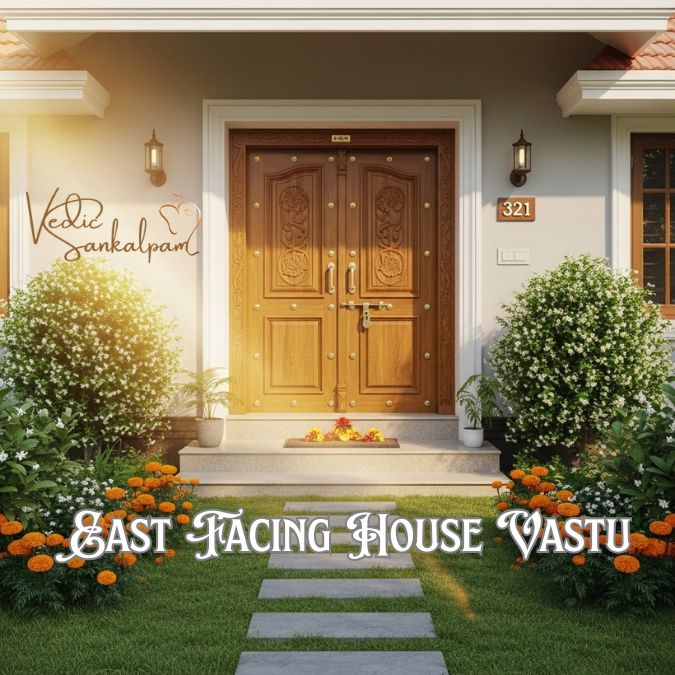
Planning an east facing home according to Vastu principles requires attention to several key factors. Let’s break down the essentials.
Ideal Plot Shape and Size
The shape of your plot matters significantly in Vastu. Square and rectangular plots are considered most auspicious for east facing homes. The plot should ideally be higher in the south and west, sloping gently toward the north and east. This allows positive energy to flow freely while preventing stagnation. Avoid irregular shapes or plots with cut corners, as these can create Vastu defects that may cause problems.
Main Entrance Placement
For an east facing house, the main entrance should be positioned in specific zones. The most favorable positions are in the northeast section or the middle-east portion of the eastern wall. These locations ensure maximum benefit from the morning sun’s rays. Avoid placing the entrance in the southeast corner, as this area is governed by the fire element and might create imbalances.
Room Positioning and Layout
Room placement follows specific guidelines in east facing homes. The living room should be in the northeast or east direction to harness positive energy. Bedrooms work best in the southwest or south zones. The kitchen should ideally be in the southeast corner, aligning with the fire element. Storage rooms and heavy furniture should occupy the southwest areas, while the northeast should be kept light and clutter-free.
Main Door Vastu for East Facing House
Your main door is more than just an entry point—it’s the gateway through which energy enters your home. Getting this right is crucial for Vastu compliance.
Best Positions for the Main Door
In an east facing house, the main entrance should be placed in the fourth or fifth pada (section) from the northeast corner. These positions are considered highly auspicious and bring maximum benefits. If you divide the eastern wall into nine equal parts, positions 4 and 5 from the northeast are ideal. This placement ensures the entry of positive cosmic energy while blocking negative influences.
Door Design and Material Recommendations
The main door should be larger than other doors in the house and should open clockwise (inward to the left). Wood is the preferred material for east facing entrances, as it represents growth and stability. The door should be well-maintained, squeak-free, and obstacle-free. Decorating with auspicious symbols like Om, Swastik, or Ganesha enhances positive vibrations.
Colors for East Facing Main Doors
Color selection plays a vital role in Vastu. For east facing doors, lighter shades work best. White, cream, light yellow, or light green are excellent choices. These colors complement the sun’s energy and promote prosperity. Avoid dark colors like black, red, or deep brown on the main door, as they can absorb too much energy and create imbalances.
Room-by-Room Vastu Guidelines
Let’s walk through your home, room by room, and discover the optimal Vastu arrangements for each space.
Living Room Vastu
Your living room is where family and guests gather, making it a crucial space for positive energy. In an east facing house, position the living room in the northeast, north, or east zones. Furniture should be arranged so that when seated, family members face north or east. Keep this space clutter-free and well-lit. Adding plants in the northeast corner enhances vitality, while mirrors on the north or east walls can amplify positive energy.
Kitchen Placement and Direction
The kitchen represents the fire element and should be positioned accordingly. For east facing homes, the ideal location is the southeast corner. If that’s not possible, the northwest is an acceptable alternative. The cooking stove should be placed in the southeast corner of the kitchen, with the cook facing east while preparing food. This alignment ensures health and prosperity for the family.
Bedroom Locations
Bedroom placement varies depending on who uses them. The master bedroom should be in the southwest corner, providing stability and authority to the head of the family. Children’s rooms work well in the west or northwest. Guest rooms can be placed in the northwest zone. Avoid bedrooms in the northeast corner, as this sacred space should remain light and open.
Master Bedroom Guidelines
In the master bedroom, place the bed in the southwest corner with the headboard against the south or west wall. Sleep with your head pointing south or east—never north, as this contradicts the earth’s magnetic field. Keep electronic devices minimal and maintain a peaceful, clutter-free environment. Use warm, soothing colors like light pink, cream, or soft yellow for the walls.
Bathroom and Toilet Positioning
Bathrooms and toilets are associated with the elimination of waste, so their placement is sensitive in Vastu. The best locations are the northwest or west zones of the house. Avoid bathrooms in the northeast, east, or southwest corners. The toilet seat should be positioned so that when using it, you face north or south, never east or west. Keep bathrooms clean, well-ventilated, and always close the toilet lid when not in use.
Vastu Dos and Don’ts for East Facing Homes
Navigating Vastu principles can feel overwhelming, so here’s a practical guide to help you make the right choices.
What to Do
Keep the northeast corner of your home clean, clutter-free, and well-lit—this is the most sacred direction. Place a water feature like a fountain in the northeast to attract prosperity. Ensure your main entrance is well-maintained and welcoming. Use appropriate colors for each room based on its direction. Install bright lights in the east and northeast to enhance positive energy. Plant tulsi (holy basil) in the northeast for spiritual benefits. Keep windows clean to allow maximum sunlight and fresh air. Perform regular space-clearing activities like burning incense or using bells to disperse stagnant energy.
What to Avoid
Never place heavy objects, storage, or furniture in the northeast corner—keep this area light and open. Avoid having a staircase in the northeast, as it blocks positive energy flow. Don’t position overhead water tanks in the northeast or southeast. Avoid bedrooms in the northeast corner of the house. Never place the kitchen in the northeast zone. Don’t have a toilet attached to the northeast corner. Avoid keeping broken items, unused belongings, or clutter anywhere in the house. Don’t place mirrors facing the main entrance, as they can reflect positive energy back out.
Common Vastu Defects in East Facing Houses
Even well-planned homes can have Vastu defects. Recognizing and addressing them is key to maintaining harmony.
Identifying Vastu Doshas
Common defects in east facing homes include a main entrance in the southeast corner, which can cause financial instability and health issues. A kitchen in the northeast disrupts the natural energy flow and may lead to family conflicts. Toilets in the northeast or east zones create negative energy. A blocked or cluttered northeast corner prevents positive energy from entering. Extensions in the southeast can cause legal troubles and financial losses. Sleeping with your head pointing north can lead to health problems and restlessness.
Remedies for Common Problems
Vastu defects don’t always require major renovations. Simple remedies can help. For an improperly placed entrance, hang a brass Om symbol or place a brass threshold at the doorstep. If your kitchen is in the wrong zone, use Vastu pyramids or crystals to neutralize negative energy. For toilet-related doshas, keep a bowl of sea salt in the bathroom and replace it weekly. If the northeast is blocked, declutter immediately and enhance lighting in that area. Use mirrors strategically to correct directional imbalances. Paint walls in Vastu-compliant colors to balance energies. Most importantly, maintain cleanliness throughout your home—a clean space naturally attracts positive energy.
Colors and Décor for East Facing Homes
Colors aren’t just aesthetic choices in Vastu—they’re tools for energy manipulation. For east facing homes, light and warm colors work best. Use white, cream, light yellow, and light green for the main entrance and living areas. These colors complement the sun’s energy and create an inviting atmosphere. Bedrooms benefit from soothing pastels like light blue, pink, or lavender. The kitchen can handle brighter colors like orange or yellow, which stimulate energy and appetite. Avoid excessive use of dark colors like black, dark blue, or deep red, as these can absorb too much energy and create heaviness. When it comes to décor, choose meaningful items that bring joy. Religious symbols, family photographs, and natural elements like plants and crystals enhance positive vibrations.
Garden and Outdoor Vastu Tips
Your home’s exterior is just as important as the interior. For east facing properties, keep the northeast section of your garden or yard open and free from large trees or structures. This area should have lighter plants, flowers, and possibly a water feature. Plant taller trees in the south and west to provide protection and grounding energy. A lawn or garden in the east or north is highly beneficial. If you have a gate or boundary wall, ensure it’s slightly lower in the north and east compared to the south and west. Create a welcoming pathway to your main entrance, keeping it clean and well-lit. Consider installing outdoor lights in the east and northeast to enhance positive energy, especially during evening hours.
East Facing House vs Other Directions
You might wonder how east facing homes compare to other directions. Each direction has its unique benefits. North facing homes are excellent for financial growth and career opportunities. South facing houses, often misunderstood, can bring fame and recognition when properly designed. West facing properties are good for business-minded individuals and creative professionals. However, east facing homes offer the most balanced benefits—good health, prosperity, spiritual growth, and overall harmony. They’re particularly favorable for families with young children, students, and those seeking career advancement. The morning sun’s energy gives east facing homes an edge in terms of vitality and positive beginnings.
Myths and Facts About East Facing Houses
Let’s clear up some common misconceptions. Myth: Only east facing houses are good according to Vastu. Fact: All directions can be auspicious if designed correctly; east facing simply offers certain natural advantages. Myth: South facing houses are always unlucky. Fact: South facing homes can be highly beneficial for specific individuals and professions. Myth: Vastu compliance requires expensive renovations. Fact: Simple adjustments, color changes, and remedies can often address most issues. Myth: Vastu is just superstition. Fact: Many Vastu principles align with practical considerations like sunlight, ventilation, and energy efficiency. Myth: You must follow every Vastu rule perfectly. Fact: Prioritize major principles and make practical adjustments based on your specific situation and resources.
Conclusion
East facing house Vastu offers a comprehensive framework for creating a home that nurtures your physical, mental, and spiritual well-being. From the placement of your main entrance to the colors on your walls, every detail contributes to the overall energy of your space. While perfect Vastu compliance may not always be possible, understanding these principles empowers you to make informed decisions that enhance your living environment. Remember, Vastu is ultimately about creating harmony between your home and natural forces. Whether you’re building a new home or renovating an existing one, incorporating these time-tested principles can transform your house into a true sanctuary. The beauty of Vastu lies in its flexibility—even small changes can create significant positive shifts in your life. So why not start today? Take a fresh look at your east facing home and see where you can align it better with these ancient yet timeless principles.
FAQs
1. Is an east facing house good for all zodiac signs? Yes, east facing houses are generally considered beneficial for all zodiac signs. However, certain signs may experience enhanced benefits. Fire signs (Aries, Leo, Sagittarius) particularly thrive in east facing homes due to the natural alignment with the sun’s energy. The key is ensuring proper Vastu compliance throughout the house rather than focusing solely on the direction.
2. Can I place my home office in an east facing house? Absolutely! The best location for a home office in an east facing house is the north, northeast, or east zone. Position your desk so you face north or east while working, as this enhances concentration, creativity, and success. Ensure good natural lighting and keep the space organized and clutter-free for maximum productivity.
3. What if my east facing house has Vastu defects I cannot correct structurally? Don’t worry—many Vastu defects can be remedied without major renovations. Use Vastu pyramids, crystals, mirrors, or specific colors to balance energies. Regular spiritual practices like lighting incense, using singing bowls, or keeping the space clean can also neutralize negative effects. Sometimes simple adjustments in furniture placement or adding plants can make a significant difference.
4. How important is the main door color in an east facing house? The main door color is quite important as it’s the first point of energy entry. For east facing houses, lighter shades like white, cream, light yellow, or light green are ideal. These colors harmonize with the morning sun’s energy and attract prosperity. However, if you prefer other colors, ensure they’re not too dark or aggressive, as these can disrupt energy flow.
5. Should I avoid buying an east facing house if the main entrance is in the southeast? A main entrance in the southeast of an east facing house is considered a Vastu defect that can cause financial and health issues. However, this doesn’t mean you should automatically avoid such properties. If you love the house, you can apply remedies like placing a brass Om symbol, installing a brass threshold, using pyramids, or consulting a Vastu expert for specific corrections. Many people live happily in such homes with proper remedies in place.