loading

Category: Puja

  • Home
  • Category: Puja

Chandika Devi Puja: A Simple Guide to Worship the Divine Mother

Chandika Devi, also known as Chandi or Durga, is a powerful form of the Divine Mother in Hinduism. She represents strength, courage, and the destruction of evil. Worshiping Chandika Devi through Chandika Devi Puja brings protection, prosperity, and spiritual growth. In this article, we’ll explain what Chandika Devi Puja is, its significance, and how to perform it at home in simple steps. Whether you’re new to this practice or looking to deepen your devotion, this guide will help you connect with the Divine Mother.


Who is Chandika Devi?

Chandika Devi
Chandika Devi

Chandika Devi is a fierce and compassionate form of Goddess Durga. She is often depicted with multiple arms, holding weapons to destroy evil forces. Her name “Chandi” means “the fierce one,” and she is worshipped for her power to protect devotees from harm and negativity. Chandika Devi is also associated with Shakti (divine feminine energy) and is revered during festivals like Navratri and Durga Puja.


Significance of Chandika Devi Puja

Performing Chandika Devi Puja has many benefits:

  • Protection: Chandika Devi shields her devotees from evil forces and negative energies.
  • Strength and Courage: Her worship instills inner strength and fearlessness.
  • Spiritual Growth: Connecting with the Divine Mother helps purify the mind and soul.
  • Fulfillment of Desires: Devotees believe that sincere worship can bring blessings and fulfill wishes.

When to Perform Chandika Devi Puja

Chandika Devi Puja can be performed on:

  • Navratri: The nine-day festival dedicated to Goddess Durga.
  • Ashtami or Navami: The 8th or 9th day of the lunar month.
  • Tuesdays or Fridays: These days are considered auspicious for Goddess worship.
  • During Difficult Times: To seek protection and guidance.

How to Perform Chandika Devi Puja at Home

Here’s a simple step-by-step guide to perform Chandika Devi Puja at home:

Step 1: Preparation

  • Clean your home and the puja area.
  • Take a bath and wear clean clothes.
  • Gather the following items:
    • Idol or picture of Chandika Devi.
    • Red cloth (to place the idol on).
    • Diya (oil lamp), incense sticks, and flowers.
    • Fruits, sweets, and coconut (as offerings).
    • Kumkum, turmeric, and sandalwood paste.
    • Bell and puja book (optional).

Step 2: Set Up the Altar

  • Place the idol or picture of Chandika Devi on a clean platform.
  • Decorate the altar with flowers and light the diya and incense sticks.

Step 3: Invoke the Goddess

  • Close your eyes and chant the following mantra to invite Chandika Devi:
    Om Aim Hreem Kleem Chamundaye Vichche
  • Ring the bell to announce the start of the puja.

Step 4: Offerings (Naivedya)

  • Offer flowers, fruits, sweets, and coconut to the Goddess.
  • Apply kumkum, turmeric, and sandalwood paste to the idol.

Step 5: Chant Mantras

  • Recite the Chandika Stotram or Durga Saptashati (if you’re familiar with it).
  • Alternatively, chant simple mantras like:
    Om Dum Durgayei Namah

    or

    Om Hreem Shreem Kleem Parameshwaryai Namah

Step 6: Aarti

  • Perform the aarti by waving the diya in front of the Goddess.
  • Sing or play the Chandi Aarti:

    Maa Chandi Aarti

    Ambe Tu Hai Jagdambe Kali
    Jai Durge Khappar Wali
    Tere Hi Gun Gaaye Bharati

    O Maiya, Hum Sab Utarey Teri Aarti II

    Tere Bhakt Jano Par Mata Bheed Padi Hai Bhari maa
    Daanav Dal Par Toot Pado Maa Karke Singh Sawari
    Sau Sau Singhon Se Balshali, Hai Asth Bhujao Wali
    Dushton ko pal mein sangharti

    O Maiya, Hum Sab Utarey Teri Aarti II

    Maa Bete Ka Hai Ish Jag Mein Bada Hi Nirmal Nata
    Poot Kaput Sune Hai Par Na Mata Suni Kumata
    Sab Par Karuna Darshaney Wali, Amrit Barsaney Wali
    Dukhiyon Ke Dukhde Nivarati

    O Maiya, Hum Sab Utarey Teri Aarti II

    Nahi Maangtey Dhan Aur Daulat Na Chaandi Na Sona Maa
    Hum To Maangey Maa Tere Man Mein Ek Chota Sa Kona
    Sab Ki Bigdi Banane Wali, Laaj Bachane Wali
    Satiyo Ke Sat Ko Sanvarati

    O Maiya, Hum Sab Utarey Teri Aarti II

    Charana Sharana Mein Khade Tumhari, Le Puja Ki Thali
    Varada Hasta Sara Para Rakha Do Maa Sankata Harane Wali
    Maa Bhara Do Bhakti Rasa Pyali, Ashta Bhujaon Wali,
    Bhakton Ke Karaja Tu Hi Sarati

    O Maiya, Hum Sab Utarey Teri Aarti II

Step 7: Prayers and Meditation

  • Offer your prayers to Chandika Devi, expressing gratitude and seeking her blessings.
  • Meditate for a few minutes, visualizing her divine energy filling your life.

Step 8: Distribute Prasad

  • Share the offered fruits and sweets as prasad with family and friends.

Tips for a Successful Puja

Chandika Devi
Chandika Devi
  • Perform the puja with a clean mind and pure intentions.
  • Focus on the meaning of the mantras and prayers.
  • Maintain a peaceful and positive atmosphere during the puja.

Frequently Asked Questions (FAQs)

1. Can I perform Chandika Devi Puja at home?

  • Yes, you can perform the puja at home with devotion and the right materials.

2. What is the best time to perform Chandika Devi Puja?

  • Early morning or during the auspicious timings (Muhurat) is ideal.

3. What should I offer to Chandika Devi?

  • Offer flowers, fruits, sweets, and coconut. Red flowers are especially auspicious.

4. Can I chant mantras if I don’t know Sanskrit?

  • Yes, you can chant simple mantras or listen to recordings of the Chandika Stotram.

5. How often should I perform Chandika Devi Puja?

  • You can perform it daily, weekly, or during special occasions like Navratri.

Conclusion

Chandika Devi Puja is a powerful way to connect with the Divine Mother and seek her blessings for protection, strength, and prosperity. By following this simple guide, you can perform the puja at home and experience the divine energy of Chandika Devi. Whether you’re facing challenges or simply want to deepen your spiritual practice, this puja will bring peace and positivity into your life.

May Chandika Devi bless you with courage, success, and happiness! 🙏✨

Ganesh Jayanti 2025: Celebrating the Birth of Lord Ganesha

Ganesh Jayanti is a special Hindu festival that celebrates the birth of Lord Ganesha, the beloved elephant-headed god of wisdom, prosperity, and new beginnings. In 2025, Ganesh Jayanti will be celebrated with great devotion and enthusiasm by millions of people across India and around the world. This article will explain what Ganesh Jayanti is, its significance, how it is celebrated, and why it is so important. Written in simple words, this guide will help you understand and enjoy the beauty of this festival.


What is Ganesh Jayanti?

Ganesh Jayanti is the day when Lord Ganesha, the son of Lord Shiva and Goddess Parvati, was born. It is also known as Magha Shukla Chaturthi because it falls on the fourth day (Chaturthi) of the bright half (Shukla Paksha) of the Hindu month of Magha. In 2025, Ganesh Jayanti will be celebrated on February 1st.


When Ganesh Jayanti celebrate in 2025 ?

Ganesh Jayanti
Ganesh Jayanti

In 2025Ganesh Jayanti will be celebrated on Saturday, February 1st.

Ganesh Jayanti, also known as Magha Shukla Chaturthi, is observed on the fourth day (Chaturthi) of the bright half (Shukla Paksha) of the Hindu month of Magha. This festival marks the birth of Lord Ganesha and is celebrated with great devotion, especially in the states of Maharashtra, Karnataka, and Goa.

If you’re planning to celebrate, make sure to check the exact timings for Chaturthi Tithi (the fourth day) in your local Panchang (Hindu calendar) for accurate rituals and pooja timings.


Why is Ganesh Jayanti Important?

Lord Ganesha is one of the most worshipped gods in Hinduism. He is known as the remover of obstacles and the god of wisdom and success. People pray to him before starting anything new, like a business, a journey, or even a simple task. Ganesh Jayanti is a day to honor him and seek his blessings for a happy and successful life.


How is Ganesh Jayanti Celebrated?

Ganesh Jayanti is celebrated with great joy and devotion. Here are some common ways people celebrate this festival:

1. Prayers and Pooja

  • Families wake up early, clean their homes, and set up a small altar for Lord Ganesha.
  • They place an idol or picture of Ganesha and decorate it with flowers, garlands, and lights.
  • Special prayers, called Ganesh Aarti and Ganesh Mantras, are chanted to seek his blessings.

2. Offerings (Prasad)

  • Lord Ganesha’s favorite sweets, like modak (a sweet dumpling), are prepared and offered to him.
  • Other offerings include fruits, coconuts, and flowers.

3. Fasting

  • Many people observe a fast on Ganesh Jayanti to show their devotion.
  • They break the fast after performing the evening prayers.

4. Cultural Programs

  • In some places, cultural events like music, dance, and drama are organized to celebrate the festival.
  • Stories about Lord Ganesha’s life and his wisdom are shared.

5. Community Celebrations

  • In temples and communities, large idols of Lord Ganesha are installed.
  • People gather to sing bhajans (devotional songs) and participate in the festivities.

The Story of Lord Ganesha’s Birth

The story of Lord Ganesha’s birth is both interesting and meaningful. Here’s a simple version:

  1. Goddess Parvati Creates Ganesha: One day, Goddess Parvati wanted someone to guard her while she bathed. She created a boy from the dirt of her body and gave him life.
  2. Ganesha Guards the Door: When Lord Shiva returned, Ganesha, not knowing who he was, stopped him from entering.
  3. Shiva’s Anger: Lord Shiva, in his anger, cut off Ganesha’s head.
  4. Ganesha is Reborn: Realizing his mistake, Lord Shiva replaced Ganesha’s head with that of an elephant, bringing him back to life. He also declared that Ganesha would be worshipped before any other god.

This story teaches us about devotion, wisdom, and the importance of respecting others.


Significance of Ganesh Jayanti

Ganesh Jayanti is not just a festival; it is a day to reflect on the qualities of Lord Ganesha and apply them in our lives. Here’s why it is significant:

  • Removes Obstacles: Praying to Lord Ganesha helps remove challenges and brings success.
  • Brings Wisdom: He is the god of knowledge and learning, and his blessings help us make wise decisions.
  • Promotes Unity: The festival brings families and communities together in celebration.
  • Encourages New Beginnings: It is an auspicious day to start new projects or ventures.

How to Celebrate Ganesh Jayanti at Home

If you want to celebrate Ganesh Jayanti at home, here’s a simple guide:

  1. Clean Your Home: Start by cleaning your house to welcome positive energy.
  2. Set Up an Altar: Place an idol or picture of Lord Ganesha on a clean platform. Decorate it with flowers and lights.
  3. Perform Pooja: Offer modak, fruits, and flowers to Lord Ganesha. Light a diya (lamp) and incense sticks.
  4. Chant Mantras: Recite Ganesh mantras like:
    • “Om Gam Ganapataye Namah” (Salutations to Lord Ganesha)
    • “Vakratunda Mahakaya” (A popular Ganesh prayer)
  5. Sing Aarti: Sing the Ganesh Aarti with your family to conclude the pooja.
  6. Share Prasad: Distribute the offered sweets and fruits as prasad to family and friends.

Frequently Asked Questions (FAQs)

1. What is the difference between Ganesh Jayanti and Ganesh Chaturthi?

  • Ganesh Jayanti celebrates Lord Ganesha’s birth and is observed in the month of Magha. Ganesh Chaturthi, celebrated in the month of Bhadrapada (August-September), is a larger festival that lasts for 10 days.

2. Can non-Hindus celebrate Ganesh Jayanti?

  • Yes, anyone can celebrate Ganesh Jayanti. It is a festival of joy, wisdom, and new beginnings, open to all.

3. What is Lord Ganesha’s favorite food?

  • Lord Ganesha loves modak, a sweet dumpling made of rice flour and filled with jaggery and coconut.

4. Why does Ganesha have an elephant head?

  • According to the story, Lord Shiva replaced Ganesha’s human head with an elephant’s head after accidentally cutting it off.

5. How can I make Ganesh Jayanti special for kids?

  • Tell them stories about Lord Ganesha, involve them in decorating the altar, and let them help prepare modak or other sweets.

Conclusion

Ganesh Jayanti 2025 is a beautiful opportunity to celebrate the birth of Lord Ganesha and seek his blessings for a happy and successful life. Whether you celebrate at home, in a temple, or with your community, this festival brings joy, wisdom, and positivity. By understanding its significance and participating in the rituals, you can make this day truly special.

May Lord Ganesha bless you with wisdom, success, and the strength to overcome all obstacles!


How to Perform Lakshmi Pooja at Home: A Step-by-Step Guide

Lakshmi Pooja is a sacred Hindu ritual performed to invoke the blessings of Goddess Lakshmi, the deity of wealth, prosperity, and abundance. This pooja is especially significant during festivals like Diwali, but it can also be performed regularly to attract positivity and success into your life. In this comprehensive guide, we’ll walk you through the steps to perform Lakshmi Pooja at home, ensuring it ranks high on Google for devotees seeking guidance.

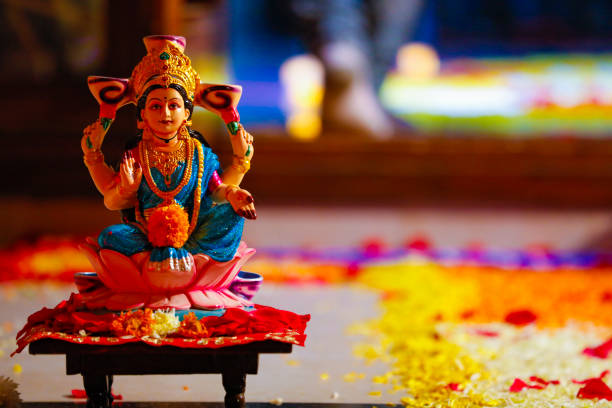
Lakshmi Pooja at Home
Simple Lakshmi Pooja at Home

Significance of Lakshmi Pooja

Goddess Lakshmi is worshipped for her ability to bestow wealth, both material and spiritual. Performing Lakshmi Pooja at home is believed to:

  • Bring financial stability and prosperity.
  • Remove obstacles and negativity.
  • Enhance happiness and harmony in the family.
  • Attract good fortune and success.

When to Perform Lakshmi Pooja

While Lakshmi Pooja is most commonly performed during Diwali, it can also be done on:

  • Fridays, considered auspicious for Goddess Lakshmi.
  • Amavasya (new moon day).
  • Purnima (full moon day).
  • Special occasions like weddings or business inaugurations.

Items Required for Simple Lakshmi Pooja at Home

Before starting the pooja, gather the following items:

  1. Idol or Picture of Goddess Lakshmi: Place it on a clean altar.
  2. Kalash: A sacred pot filled with water, topped with mango leaves and a coconut.
  3. Diya (Oil Lamp): Use ghee or oil to light the lamp.
  4. Incense Sticks and Dhoop: For fragrance and purification.
  5. Flowers and Garland: Marigold and lotus flowers are considered auspicious.
  6. Sweets and Fruits: Offerings like ladoo, kheer, and bananas.
  7. Rice and Turmeric: For applying tilak and as offerings.
  8. Coins and Currency Notes: Symbolize wealth and prosperity.
  9. Betel Leaves and Nuts: Represent auspiciousness.
  10. Sandalwood Paste and Kumkum: For applying tilak.
  11. Panchamrit: A mixture of milk, yogurt, honey, sugar, and ghee.
  12. Bell: To invoke the deity’s presence.
  13. Pooja Book or Mantras: For reciting prayers and hymns.

Step-by-Step Guide to Perform Lakshmi Pooja at Home

1. Preparation

  • Clean your home and the pooja area thoroughly.
  • Take a bath and wear clean, traditional clothes.
  • Set up the altar with the idol or picture of Goddess Lakshmi, along with other deities like Lord Ganesha (to remove obstacles).

2. Invocation (Avahana)

  • Light the diya and incense sticks.
  • Ring the bell to invite Goddess Lakshmi into your home.
  • Chant the following mantra to invoke her presence:
    Copy
    Om Shreem Mahalakshmiyei Namah

3. Kalash Sthapana

  • Place the Kalash in front of the idol.
  • Fill it with water, add mango leaves, and place a coconut on top.
  • Tie a red or yellow cloth around the Kalash.

4. Offerings (Naivedya)

  • Offer flowers, fruits, and sweets to Goddess Lakshmi.
  • Light the dhoop and incense sticks.
  • Apply tilak (sandalwood paste and kumkum) to the idol.

5. Mantra Recitation

  • Recite Lakshmi mantras and stotras to seek her blessings. Some popular mantras include:
    • Lakshmi Gayatri Mantra:
      Om Shreem Mahalakshmiyei Cha Vidmahe
      Vishnu Patnyei Cha Dheemahi
      Tanno Lakshmi Prachodaya
    • Lakshmi Beej Mantra:
      Om Shreem Hreem Shreem Kamale Kamalalaye Praseed Praseed
      Om Shreem Hreem Shreem Mahalakshmiyei Namah

6. Aarti

  • Perform the aarti by waving the diya in a circular motion in front of the idol.
  • Sing or play the Lakshmi Aarti:
    Om Jai Lakshmi Mata, Maiya Jai Lakshmi Mata...

7. Prayers and Meditation

  • Offer your prayers to Goddess Lakshmi, expressing gratitude and seeking her blessings.
  • Meditate for a few minutes, visualizing abundance and prosperity flowing into your life.

8. Distribution of Prasad

  • Distribute the offered sweets and fruits as prasad to family members and guests.
  • Share the blessings of Goddess Lakshmi with others.

Tips for a Successful Lakshmi Pooja

  • Perform the pooja with a clean mind and pure intentions.
  • Involve your family members to create a harmonious atmosphere.
  • Maintain a peaceful and positive environment during the pooja.
  • Regularly clean and decorate your pooja area to keep the divine energy alive.

Frequently Asked Questions (FAQs)

1. Can I perform Lakshmi Pooja without a Pandit?

  • Yes, Lakshmi Pooja can be performed at home without a Pandit. Follow the steps mentioned above and recite the mantras with devotion.

2. What is the best time to perform Lakshmi Pooja?

  • The best time is during Pradosh Kaal (evening twilight) or Muhurat as per the Hindu calendar.

3. Can I perform Lakshmi Pooja daily?

  • Yes, you can perform a simple Lakshmi Pooja daily by lighting a diya, offering flowers, and reciting mantras.

4. What should I do after the pooja?

  • After the pooja, keep the prasad in your home temple or distribute it. Maintain the positive energy by keeping your home clean and organized.

5. Can non-Hindus perform Lakshmi Pooja?

  • Yes, anyone can perform Lakshmi Pooja with respect and devotion, regardless of their religious background.

Conclusion

Performing Simple Lakshmi Pooja at home is a powerful way to invite prosperity, happiness, and success into your life. By following this step-by-step guide, you can create a sacred and meaningful ritual that connects you with the divine energy of Goddess Lakshmi. Whether you’re celebrating Diwali or seeking her blessings for a new beginning, this pooja will help you align with the flow of abundance and positivity.

May Goddess Lakshmi bless you and your family with wealth, health, and happiness!