loading

Category: Puja

  • Home
  • Category: Puja

Kali Puja: Celebrating the Fierce and Compassionate Goddess

Kali Puja, also known asĀ Shyama Puja, is one of the most significant festivals in Hinduism, dedicated to Goddess Kali, the fierce and compassionate form of Divine Mother Shakti. Celebrated with great fervor, especially in West Bengal, Odisha, and Assam, Kali Puja coincides with the festival of Diwali in many regions. This article delves into the significance, rituals, legends, and cultural aspects of Kali Puja, offering a comprehensive guide to understanding and celebrating this powerful festival.


Who is Goddess Kali?

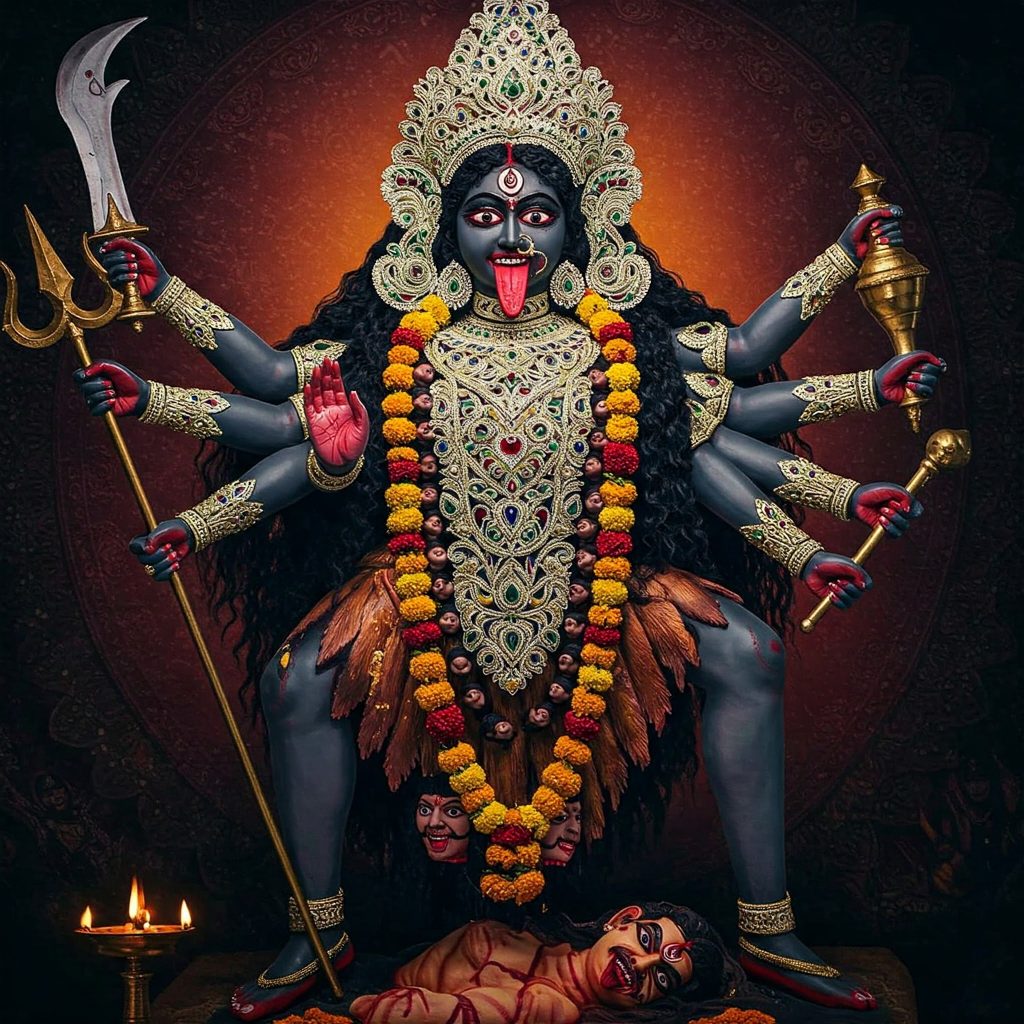
Goddess Kali is a manifestation of Goddess Durga, representing the destructive and transformative aspects of the divine feminine energy. She is depicted with a dark complexion, a garland of skulls, and a tongue protruding from her mouth, symbolizing her victory over evil. Despite her fierce appearance, Kali is a compassionate mother who protects her devotees and destroys negativity.


Significance of Kali Puja

  1. Victory Over Evil:Ā Kali Puja symbolizes the triumph of good over evil and light over darkness.
  2. Destruction of Negativity:Ā Goddess Kali destroys ego, ignorance, and negative energies, paving the way for spiritual growth.
  3. Compassionate Mother:Ā She is revered as a loving mother who protects her children from harm.
  4. Cultural Importance:Ā Kali Puja is a major cultural event in Eastern India, celebrated with grand processions, decorations, and festivities.

When is Kali Puja Celebrated?

Kali Puja
Kali Puja

Kali Puja is observed on theĀ new moon night (Amavasya)Ā of the Hindu month ofĀ Kartik, which usually falls in October or November. In many regions, it coincides with Diwali, the festival of lights.


Legends of Goddess Kali

1. The Battle with Raktabija

One of the most popular legends of Goddess Kali is her battle with the demonĀ Raktabija. According to the story, Raktabija had a boon that every drop of his blood that fell to the ground would create a new demon. To defeat him, Goddess Kali drank his blood and destroyed him, ensuring no new demons could arise.

2. The Slayer of Mahishasura

Goddess Kali emerged from the forehead of Goddess Durga during her battle with the demon Mahishasura. Kali’s fierce form helped Durga defeat the demon, symbolizing the power of divine feminine energy.

3. The Story of Shiva and Kali

In another legend, Goddess Kali’s rage became uncontrollable after destroying demons. To calm her, Lord Shiva lay down in her path. When Kali stepped on him, she realized her mistake and stuck out her tongue in shame, symbolizing the balance between destruction and compassion.


Rituals of Kali Puja


1. Preparation

  • Clean and decorate the puja area with flowers, lights, and rangoli.
  • Place the idol or image of Goddess Kali on a raised platform.

2. Invocation

  • Chant mantras and hymns to invoke the presence of Goddess Kali.
  • Offer flowers, incense, and lamps to the goddess.

3. Offerings (Bhog)

  • Prepare traditional dishes like khichdi, lentils, sweets, and fruits as offerings.
  • Offer red hibiscus flowers, which are considered sacred to Goddess Kali.

4. Aarti

  • Perform the aarti with a lamp, singing devotional songs in praise of the goddess.
  • Distribute prasad (blessed food) to devotees.

5. Night Vigil (Jagran)

  • Stay awake all night, chanting mantras and singing bhajans in honor of Goddess Kali.

How to Celebrate Kali Puja at Home

  1. Set Up the Altar:Ā Place an idol or image of Goddess Kali on a clean platform.
  2. Decorate:Ā Use flowers, diyas, and rangoli to create a festive atmosphere.
  3. Chant Mantras:Ā Recite Kali mantras likeĀ ā€œOm Krim Kaliā€Ā orĀ ā€œOm Hrim Shreem Klim Adya Kalike Param Eshwari Swaha.ā€
  4. Offer Bhog:Ā Prepare and offer traditional dishes to the goddess.
  5. Perform Aarti:Ā Sing the Kali aarti and distribute prasad to family members.

Kali Mantras for Devotees

  1. Kali Dhyana Mantra
    ā€œOm Karala-badanam Ghoram Muktakesi Chatur-bhuryam.
    Kali-kalmash-nashinyai Namo Nityayai Te Namah.ā€
  • This mantra is chanted to meditate on Goddess Kali’s fierce form.
  1. Kali Beej Mantra
    ā€œOm Krim Kaliā€
  • A powerful mantra to invoke the energy of Goddess Kali.
  1. Kali Gayatri Mantra
    ā€œOm Maha Kalyai Cha Vidmahe
    Smashana Vasinyai Cha Dheemahi
    Tanno Kali Prachodayat.ā€
  • This mantra is chanted to seek the blessings of Goddess Kali.

Cultural Significance of Kali Puja

  1. Festive Atmosphere:Ā Kali Puja is celebrated with grand processions, cultural programs, and fireworks.
  2. Community Bonding:Ā It brings people together, fostering a sense of unity and devotion.
  3. Art and Music:Ā Traditional songs, dances, and dramas are performed to honor the goddess.
  4. Economic Boost:Ā The festival boosts local businesses, especially those selling puja items, sweets, and decorations.

Kali Puja Across India

  1. West Bengal:Ā Kali Puja is the most significant festival in Bengal, celebrated with immense enthusiasm.
  2. Odisha:Ā Devotees worship Goddess Kali with traditional rituals and cultural programs.
  3. Assam:Ā The festival is marked by community pujas and festive gatherings.
  4. Other Regions:Ā In North India, Kali Puja is often celebrated as part of Diwali festivities.

Benefits of Worshipping Goddess Kali

  1. Destruction of Negativity:Ā Kali removes fear, anxiety, and negative energies from life.
  2. Spiritual Growth:Ā Her worship helps devotees overcome ego and ignorance.
  3. Protection:Ā She shields her devotees from harm and evil forces.
  4. Inner Strength:Ā Kali’s energy empowers individuals to face challenges with courage.

Tips for a Meaningful Kali Puja

  1. Purify Your Mind:Ā Approach the puja with a clean and focused mind.
  2. Follow Traditions:Ā Adhere to traditional rituals and practices.
  3. Involve Family:Ā Celebrate with family members to strengthen bonds.
  4. Perform Charity:Ā Donate to the needy as a way of sharing blessings.
  5. Stay Awake:Ā Participate in the night vigil to deepen your connection with the goddess.

Conclusion

Kali Puja is a powerful and transformative festival that celebrates the fierce and compassionate energy of Goddess Kali. By worshipping her, devotees seek protection, spiritual growth, and the destruction of negativity. Whether you’re celebrating in a grand temple or at home, Kali Puja offers an opportunity to connect with the divine and embrace the strength within you.

As you light the lamps and chant the mantras, may Goddess Kali bless you with courage, wisdom, and prosperity. Celebrate this festival with devotion and joy, and let the divine energy of Kali illuminate your life!

Online Puja: A Modern Way to Connect with the Divine

In today’s fast-paced world, where time and distance often limit our ability to participate in traditional rituals,Ā Online PujaĀ has emerged as a convenient and meaningful way to connect with the divine. Whether you’re unable to visit a temple, live far from your hometown, or simply want to perform a puja from the comfort of your home, online puja services offer a seamless solution. In this article, we’ll explore the concept of online puja, its benefits, how it works, and why it’s becoming increasingly popular among devotees worldwide.


What is Online Puja?

Online Puja
Online Puja

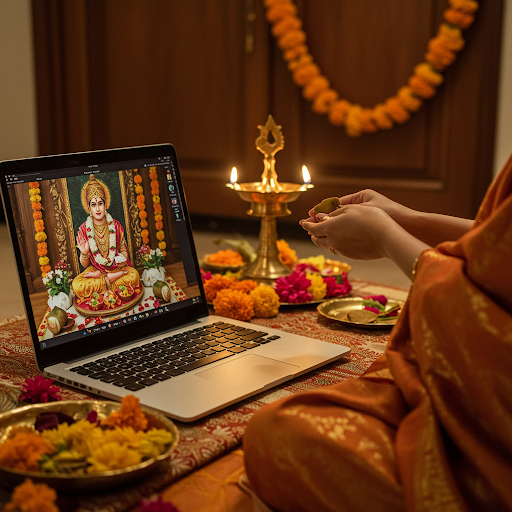
Online puja is a digital service that allows devotees to book and perform pujas, rituals, and ceremonies through the internet. Professional priests conduct the puja on behalf of the devotee, often in real-time, and share the blessings through live streaming or recorded videos. This innovative approach combines traditional rituals with modern technology, making spirituality accessible to everyone.


Why is Online Puja Gaining Popularity?

  1. Convenience:Ā Perform pujas from anywhere, anytime, without the need to travel.
  2. Accessibility:Ā Connect with renowned temples and priests from across the globe.
  3. Time-Saving:Ā Ideal for busy individuals who cannot spare time for traditional rituals.
  4. Customization:Ā Choose specific pujas, rituals, and offerings based on your needs.
  5. Global Reach:Ā Participate in pujas at sacred temples in India and other countries.

Types of Online Pujas

  1. Daily Pujas:Ā Regular rituals like morning aarti, abhishekam, or evening puja.
  2. Festival Pujas:Ā Special pujas for festivals like Diwali, Navratri, or Maha Shivaratri.
  3. Personalized Pujas:Ā Tailored rituals for specific purposes like health, wealth, or career.
  4. Vedic Rituals:Ā Complex ceremonies like Satyanarayan Puja, Rudrabhishek, or Graha Shanti Puja.
  5. Temple Pujas:Ā Pujas conducted at famous temples like Tirupati, Kashi Vishwanath, or Jagannath Puri.

How Does Online Puja Work?

  1. Choose a Platform:Ā Select a reliable online puja service provider.
  2. Book a Puja:Ā Browse through the available pujas and select the one you need.
  3. Provide Details:Ā Share your name, birth details, and specific requests (if any).
  4. Make Payment:Ā Pay the required fee through secure online payment methods.
  5. Attend the Puja:Ā Join the puja via live streaming or receive a recorded video.
  6. Receive Prasad:Ā Some platforms offer to send prasad (blessed offerings) to your address.

Benefits of Online Puja

1. Spiritual Connection

  • Stay connected with your faith and traditions, no matter where you are.
  • Seek divine blessings for peace, prosperity, and well-being.

2. Convenience and Flexibility

  • Perform pujas at your convenience, without disrupting your daily routine.
  • Access a wide range of pujas and rituals tailored to your needs.

3. Expert Priests

  • Professional priests with deep knowledge of Vedic rituals conduct the pujas.
  • Ensure authenticity and adherence to traditional practices.

4. Cost-Effective

  • Save on travel expenses and temple donations.
  • Affordable pricing for various puja packages.

5. Eco-Friendly

  • Reduce the use of physical resources like flowers, incense, and offerings.
  • Digital prasad and certificates minimize waste.

Popular Online Puja Platforms

  1. AstroVed:Ā Offers a wide range of pujas, homas, and rituals with live streaming options.
  2. PujasOnline:Ā Connects devotees with temples and priests across India for personalized pujas.
  3. Temple Connect:Ā Provides online puja services for famous temples like Tirupati and Shirdi.
  4. OnlinePrasad:Ā Specializes in booking pujas and sending prasad to devotees worldwide.
  5. Rudra Centre:Ā Focuses on Vedic rituals and personalized pujas for specific needs.

How to Choose the Right Online Puja Service

  1. Reputation:Ā Check reviews and testimonials to ensure the platform is trustworthy.
  2. Transparency:Ā Look for clear pricing, detailed descriptions, and terms of service.
  3. Customization:Ā Choose a platform that offers personalized pujas based on your requirements.
  4. Live Streaming:Ā Opt for services that provide live streaming for real-time participation.
  5. Customer Support:Ā Ensure the platform offers reliable customer support for queries and issues.

Steps to Perform an Online Puja

  1. Set Your Intention:Ā Decide the purpose of the puja, such as seeking blessings, expressing gratitude, or resolving challenges.
  2. Prepare Your Space:Ā Create a clean and peaceful environment at home for the puja.
  3. Join the Puja:Ā Log in to the platform and attend the puja via live streaming.
  4. Participate Actively:Ā Chant mantras, offer prayers, and follow the priest’s instructions.
  5. Receive Blessings:Ā Accept the divine blessings and prasad with gratitude.

Tips for a Meaningful Online Puja Experience

  1. Stay Focused:Ā Avoid distractions and immerse yourself in the puja.
  2. Dress Appropriately:Ā Wear clean and traditional attire as a mark of respect.
  3. Follow Rituals:Ā Light a diya (lamp) or incense at home to enhance the spiritual atmosphere.
  4. Express Gratitude:Ā Thank the priest and the divine for their blessings.
  5. Share the Experience:Ā Involve family members to make the puja more meaningful.

The Future of Online Puja

As technology continues to evolve, online puja services are expected to become even more advanced and accessible. Features like virtual reality (VR) pujas, AI-powered personalized rituals, and global temple networks will further enhance the experience for devotees. Online puja is not just a temporary solution but a transformative way to integrate spirituality into modern life.


Conclusion

Online puja is a bridge between tradition and technology, offering a convenient and meaningful way to connect with the divine. Whether you’re seeking blessings, expressing gratitude, or performing rituals for specific purposes, online puja services make spirituality accessible to everyone, regardless of time or location.

By embracing this modern approach, you can stay connected to your faith, uphold your traditions, and experience the divine blessings of puja from the comfort of your home. So, explore the world of online puja and let technology bring you closer to spirituality!

Goddess Mahalakshmi: The Divine Embodiment of Wealth, Prosperity, and Abundance

Goddess Mahalakshmi, also known asĀ Lakshmi, is one of the most revered deities in Hinduism. She is the goddess of wealth, prosperity, fortune, and abundance, and is worshipped by millions of devotees worldwide. As the consort of Lord Vishnu, the preserver of the universe, Goddess Mahalakshmi plays a vital role in maintaining balance and harmony in the world. In this article, we’ll explore the significance, symbolism, legends, and worship of Goddess Mahalakshmi, along with her impact on culture and spirituality.


Who is Goddess Mahalakshmi?

Goddess Mahalakshmi
Goddess Mahalakshmi

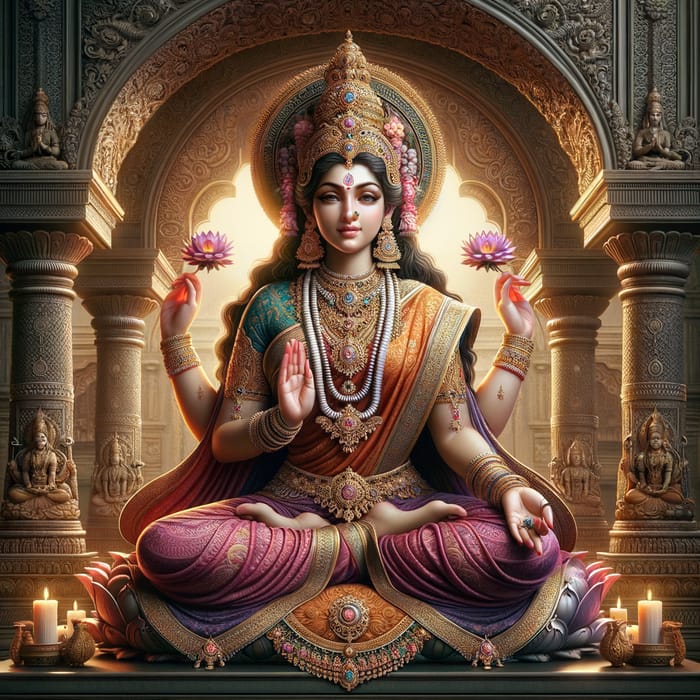
Goddess Mahalakshmi is the embodiment ofĀ ShaktiĀ (divine feminine energy) and is associated with wealth, both material and spiritual. She is often depicted as a beautiful woman seated on a lotus, symbolizing purity, fertility, and divine grace. Her four hands represent the four goals of human life:Ā DharmaĀ (righteousness),Ā ArthaĀ (wealth),Ā KamaĀ (desire), andĀ MokshaĀ (liberation).


The Symbolism of Goddess Mahalakshmi

  1. Lotus (Padma):Ā The lotus symbolizes purity, beauty, and spiritual enlightenment. Despite growing in muddy waters, the lotus remains untouched by impurities, just as Goddess Mahalakshmi bestows wealth without attachment.
  2. Gold Coins:Ā She is often shown holding or showering gold coins, representing material wealth and prosperity.
  3. Elephants:Ā In some depictions, elephants are shown pouring water over her, symbolizing royal power and abundance.
  4. Owl (Uluka):Ā The owl, her vahana (vehicle), represents wisdom and the ability to see through darkness.

Legends of Goddess Mahalakshmi

1. The Churning of the Ocean (Samudra Manthan)

One of the most popular legends of Goddess Mahalakshmi is her emergence during theĀ Samudra ManthanĀ (churning of the ocean). When the devas (gods) and asuras (demons) churned the ocean to obtain the nectar of immortality, several divine beings and objects emerged, including Goddess Mahalakshmi. She chose Lord Vishnu as her consort, symbolizing the union of wealth and preservation.

2. The Story of King Bali

In theĀ Vamana AvatarĀ of Lord Vishnu, Goddess Mahalakshmi played a crucial role. When Lord Vishnu, in the form of Vamana, asked King Bali for three paces of land, she ensured that King Bali’s generosity was rewarded with eternal blessings.

3. The Legend of Tulsi

Goddess Mahalakshmi is also associated with theĀ Tulsi plant. According to legend, she once cursed Lord Vishnu to turn into a stone (Shaligram) and transformed herself into the Tulsi plant. This story highlights her deep connection with devotion and purity.


Forms of Goddess Mahalakshmi

Goddess Mahalakshmi is worshipped in various forms, each representing different aspects of wealth and prosperity:

  1. Ashta Lakshmi:Ā The eight forms of Lakshmi represent different types of wealth:
    • Adi Lakshmi:Ā The primal goddess of wealth.
    • Dhanya Lakshmi:Ā Goddess of agricultural wealth.
    • Dhairya Lakshmi:Ā Goddess of courage and strength.
    • Gaja Lakshmi:Ā Goddess of royal power and fortune.
    • Santana Lakshmi:Ā Goddess of progeny and family.
    • Vijaya Lakshmi:Ā Goddess of victory and success.
    • Vidya Lakshmi:Ā Goddess of knowledge and wisdom.
    • Dhana Lakshmi:Ā Goddess of material wealth.
  2. Mahalakshmi:Ā The supreme form of Lakshmi, representing ultimate prosperity and abundance.

Worship of Goddess Mahalakshmi

1. Festivals Dedicated to Mahalakshmi

  • Diwali:Ā The festival of lights is celebrated to honor Goddess Mahalakshmi. Homes are cleaned, and lamps are lit to welcome her blessings.
  • Varalakshmi Vratam:Ā A festival where women pray for the well-being of their families and seek the goddess’s blessings.
  • Navratri:Ā During the nine nights of Navratri, Goddess Lakshmi is worshipped along with Durga and Saraswati.

2. Daily Worship

  • Devotees chant mantras like theĀ Mahalakshmi MantraĀ orĀ Shri SuktaĀ to invoke her blessings.
  • Offerings of flowers, fruits, sweets, and coins are made to her idol or image.

3. Temples of Mahalakshmi

  • Mahalakshmi Temple, Mumbai:Ā One of the most famous temples dedicated to the goddess.
  • Kolhapur Mahalakshmi Temple, Maharashtra:Ā A sacred site where the goddess is believed to reside.
  • Ashtalakshmi Temple, Chennai:Ā A unique temple dedicated to the eight forms of Lakshmi.

Mantras and Prayers for Goddess Mahalakshmi

1. Mahalakshmi Mantra

ā€œOm Shreem Mahalakshmiyei Namahā€

  • This mantra is chanted to attract wealth, prosperity, and abundance.

2. Shri Sukta

  • A Vedic hymn dedicated to Goddess Lakshmi, often recited during Lakshmi Puja.

3. Lakshmi Gayatri Mantra

ā€œOm Mahalakshmyai Cha Vidmahe
Vishnu Patnyai Cha Dheemahi
Tanno Lakshmi Prachodayatā€

  • This mantra is chanted to seek the goddess’s blessings for wisdom and prosperity.

The Spiritual Significance of Goddess Mahalakshmi

Goddess Mahalakshmi is not just a symbol of material wealth but also represents spiritual abundance. Her blessings are believed to bring:

  1. Inner Peace:Ā By worshipping her, devotees cultivate gratitude and contentment.
  2. Prosperity:Ā She bestows both material and spiritual wealth, ensuring a balanced life.
  3. Strength and Courage:Ā Her presence empowers individuals to overcome challenges.
  4. Harmony:Ā She promotes harmony in relationships and communities.

Goddess Mahalakshmi in Art and Culture

Goddess Mahalakshmi has inspired countless works of art, literature, and music. Her depictions in paintings, sculptures, and festivals reflect her importance in Indian culture. She is also a symbol of femininity, grace, and power, inspiring women to embrace their inner strength.


How to Invoke the Blessings of Goddess Mahalakshmi

  1. Practice Gratitude:Ā Be thankful for what you have, and share your wealth with others.
  2. Keep Your Surroundings Clean:Ā Goddess Mahalakshmi is believed to reside in clean and pure environments.
  3. Chant Mantras Regularly:Ā Recite her mantras with devotion and sincerity.
  4. Perform Charity:Ā Donate to the needy and support charitable causes.
  5. Celebrate Festivals:Ā Participate in festivals like Diwali and Varalakshmi Vratam to honor her.

Conclusion

Goddess Mahalakshmi is much more than the goddess of wealth; she is a symbol of purity, grace, and spiritual abundance. Her presence in our lives reminds us to seek prosperity not just in material terms but also in love, knowledge, and inner peace. By understanding her significance, worshipping her with devotion, and embodying her virtues, we can invite her blessings into our lives and create a harmonious and prosperous world.

May Goddess Mahalakshmi shower her divine grace upon you and fill your life with abundance, joy, and fulfillment!

Holika Dahan 2025: Celebrating the Triumph of Good Over Evil

Holika Dahan, also known as Chhoti Holi, is one of the most significant festivals in Hinduism. It marks the beginning of the vibrant festival of Holi and symbolizes the victory of good over evil. In 2025, Holika Dahan will be celebrated with great enthusiasm across India and by Hindu communities worldwide. This article delves into the significance, rituals, and traditions of Holika Dahan, along with tips to celebrate it safely and joyfully.


What is Holika Dahan?

Holika Dahan 2025
Holika Dahan 2025

Holika Dahan is a traditional Hindu festival celebrated on the eve of Holi. It involves lighting a bonfire to commemorate the story ofĀ PrahladĀ andĀ HolikaĀ from Hindu mythology. The festival signifies the triumph of devotion and righteousness over arrogance and evil.


The Legend of Holika Dahan

The story of Holika Dahan is rooted in Hindu mythology and revolves around the demon kingĀ HiranyakashipuĀ and his sonĀ Prahlad.

  • Hiranyakashipu’s Arrogance:Ā Hiranyakashipu, a powerful demon king, wanted to be worshipped as a god. However, his son Prahlad remained a devoted follower of Lord Vishnu.
  • Holika’s Deception:Ā Hiranyakashipu ordered his sister, Holika, who was immune to fire, to sit in a blazing fire with Prahlad on her lap. Holika planned to kill Prahlad, but her immunity failed, and she was burned to ashes. Prahlad, protected by his devotion to Lord Vishnu, emerged unharmed.
  • Symbolism:Ā The burning of Holika represents the destruction of evil, while Prahlad’s survival symbolizes the victory of faith and goodness.

Date and Timing of Holika Dahan 2025

In 2025, Holika Dahan will be celebrated onĀ March 13th. The timing of the bonfire is crucial and is determined based on the Hindu lunar calendar. The most auspicious time for Holika Dahan in 2025 is betweenĀ 6:24 PM and 8:52 PM.


Rituals and Traditions of Holika Dahan

1.Ā Preparation for the Bonfire

  • People collect wood, dried leaves, and other combustible materials to build the bonfire.
  • An effigy of Holika is placed on top of the pile to symbolize the burning of evil.

2.Ā Puja and Offerings

  • Before lighting the bonfire, a puja (prayer ceremony) is performed to seek blessings from the gods.
  • Offerings like coconuts, sweets, and grains are made to the fire.

3.Ā Lighting the Bonfire

  • The bonfire is lit at the auspicious time, and people gather around it to sing, dance, and celebrate.
  • Some communities also walk around the fire as a mark of respect and devotion.

4.Ā Taking Ashes Home

  • After the bonfire, people take a small amount of ashes home as a symbol of protection and good luck.

Significance of Holika Dahan

  1. Victory of Good Over Evil:Ā The festival reminds us that truth and devotion always triumph over arrogance and wickedness.
  2. Purification:Ā The bonfire is believed to purify the environment and ward off negative energies.
  3. Unity and Togetherness:Ā Holika Dahan brings families and communities together to celebrate and strengthen bonds.
  4. Cultural Heritage:Ā The festival preserves and promotes ancient Hindu traditions and values.

How to Celebrate Holika Dahan Safely in 2025

While Holika Dahan is a joyous occasion, it’s essential to celebrate it safely to avoid accidents and injuries. Here are some tips:

1.Ā Choose a Safe Location

  • Light the bonfire in an open area away from buildings, trees, and flammable materials.
  • Ensure the location is approved by local authorities.

2.Ā Supervise Children

  • Keep children at a safe distance from the bonfire and supervise them at all times.

3.Ā Use Eco-Friendly Materials

  • Avoid using plastic or toxic materials in the bonfire to reduce environmental pollution.

4.Ā Follow COVID-19 Guidelines (if applicable)

  • If there are any health advisories in 2025, follow social distancing and hygiene protocols.

5.Ā Extinguish the Fire Completely

  • After the celebration, ensure the fire is completely extinguished to prevent accidents.

Holika Dahan Across India

Holika Dahan is celebrated with unique regional traditions across India:

  1. North India:Ā People sing folk songs, dance around the bonfire, and exchange sweets.
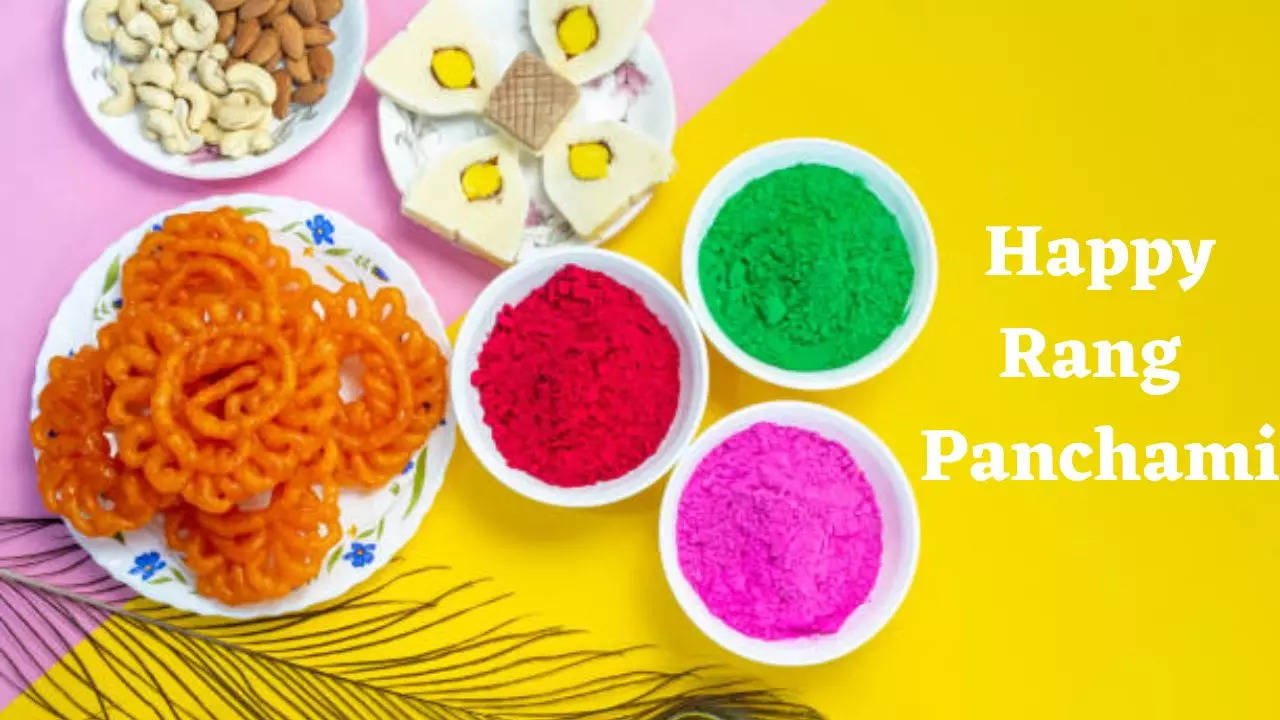
  2. West India:Ā In Maharashtra, the festival is known asĀ RangpanchamiĀ and is celebrated with colorful processions.
  3. South India:Ā In Tamil Nadu, the festival is calledĀ Kama DahanamĀ and is associated with the story of Lord Shiva and Kamadeva.
  4. East India:Ā In Odisha and West Bengal, people worship Lord Krishna and Radha during Holika Dahan.

Eco-Friendly Celebrations

In recent years, there has been a growing emphasis on celebrating Holika Dahan in an eco-friendly manner. Here are some ideas:

  1. Use Natural Materials:Ā Build the bonfire using dry wood, leaves, and cow dung cakes instead of synthetic materials.
  2. Avoid Firecrackers:Ā Refrain from bursting firecrackers to reduce noise and air pollution.
  3. Community Bonfires:Ā Organize a single bonfire for the entire community to minimize environmental impact.

Conclusion

Holika Dahan 2025 is not just a festival but a celebration of faith, unity, and the eternal victory of good over evil. By understanding its significance and following safe practices, we can make this festival even more meaningful and enjoyable. Whether you’re lighting the bonfire, performing puja, or simply spending time with loved ones, Holika Dahan is a time to reflect on the power of devotion and the importance of righteousness.

Let’s celebrate Holika Dahan 2025 with joy, safety, and a commitment to preserving our cultural heritage.

Vishwakarma Jayanti and Vishwakarma Puja 2025: Celebrating the Divine Architect

Vishwakarma JayantiĀ andĀ Vishwakarma PujaĀ are special occasions dedicated to Lord Vishwakarma, the divine architect and craftsman in Hindu mythology. Celebrated with great enthusiasm by artisans, engineers, architects, and factory workers, these festivals honor the god of creation and innovation. If you’re curious about the significance of Vishwakarma Jayanti and how it is celebrated, this article will explain everything in simple and easy-to-understand words.


Who is Lord Vishwakarma?

Vishwakarma Jayanti
Vishwakarma Jayanti

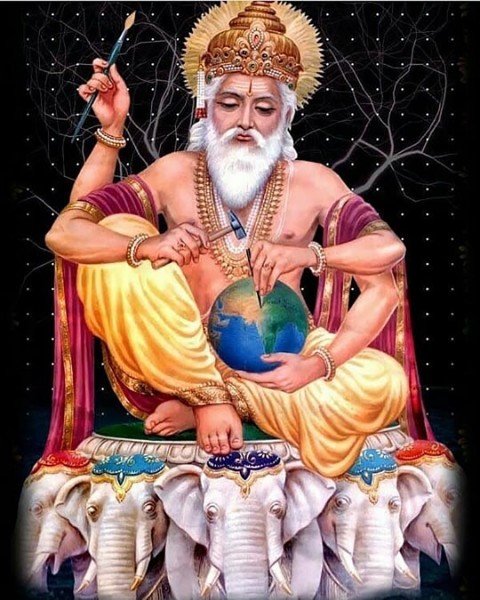
Lord Vishwakarma is the Hindu god of architecture, engineering, and craftsmanship. He is believed to be the divine architect of the universe and the creator of many magnificent structures, including the palaces of the gods and the weapons used in ancient epics like the Mahabharata.

Vishwakarma is also considered the patron god of all artisans, builders, and industrial workers. His blessings are sought for success in creative and technical endeavors.


Vishwakarma Jayanti and Puja 2025 Date And Mahurat

The day of Kanya Sankranti or Kanya Sankramanam, as specified in the Gregorian calendar on September 17 2025.

Vishwakarma Puja Sankranti Moment:Ā 01:55 AM


What is Vishwakarma Jayanti?

Vishwakarma JayantiĀ is the birthday of Lord Vishwakarma, celebrated annually onĀ Kanya Sankranti, which usually falls in September. This day is marked by prayers, rituals, and celebrations to honor his contributions to craftsmanship and innovation.


What is Vishwakarma Puja?

Vishwakarma Puja
Vishwakarma Puja

Vishwakarma PujaĀ is a ritual performed to seek the blessings of Lord Vishwakarma for success, safety, and prosperity in work. It is celebrated in factories, workshops, and industrial areas, as well as by individuals involved in creative and technical fields.


Significance of Vishwakarma Jayanti and Puja

  1. Celebration of Creativity:
    Vishwakarma Jayanti celebrates the spirit of creativity, innovation, and craftsmanship. It reminds us of the importance of hard work and skill in building a better world.
  2. Blessings for Success:
    Workers and artisans seek Lord Vishwakarma’s blessings for success in their professions, safety at work, and the ability to create something meaningful.
  3. Cultural Heritage:
    The festival highlights the rich cultural heritage of India, where art, architecture, and craftsmanship have always been highly valued.
  4. Community Bonding:
    Vishwakarma Puja brings together communities of workers, artisans, and engineers, fostering a sense of unity and shared purpose.

How is Vishwakarma Jayanti Celebrated?

  1. Puja Rituals:
    • A statue or image of Lord Vishwakarma is worshipped with flowers, fruits, and sweets.
    • Workers clean and decorate their tools, machines, and workplaces as a mark of respect.
    • Special prayers and mantras are chanted to invoke his blessings.
  2. Decorations:
    Factories, workshops, and homes are decorated with flowers, rangoli, and lights.
  3. Feasting:
    After the puja, a community feast is organized, where people enjoy traditional dishes and sweets together.
  4. Cultural Programs:
    In some places, cultural programs, including music and dance performances, are held to celebrate the occasion.

Key Rituals of Vishwakarma Puja

  1. Cleaning and Preparation:
    Workplaces and tools are thoroughly cleaned and decorated to welcome Lord Vishwakarma.
  2. Idol or Image Worship:
    An idol or picture of Lord Vishwakarma is placed on a pedestal and worshipped with offerings like flowers, incense, and lamps.
  3. Aarti and Mantras:
    Devotees perform aarti (a ritual of waving lamps) and chant mantras to seek his blessings.
  4. Prasad Distribution:
    After the puja, prasad (blessed food) is distributed among the participants.

When is Vishwakarma Jayanti Celebrated?

Vishwakarma Jayanti is celebrated onĀ Kanya Sankranti, which marks the Sun’s transition into the Virgo zodiac sign. It usually falls onĀ September 16 or 17Ā every year.


Who Celebrates Vishwakarma Jayanti?

  1. Artisans and Craftsmen:
    Carpenters, blacksmiths, potters, and other skilled workers celebrate this day to honor their craft.
  2. Engineers and Architects:
    Professionals in engineering and architecture seek Lord Vishwakarma’s blessings for innovation and success.
  3. Factory Workers:
    Industrial workers and factory employees celebrate Vishwakarma Puja for safety and productivity at work.
  4. Students and Professionals:
    Students and professionals in technical fields also participate in the celebrations to seek inspiration and guidance.

Teachings of Lord Vishwakarma

  1. Importance of Skill:
    Lord Vishwakarma teaches us to value skill, precision, and hard work in our professions.
  2. Innovation and Creativity:
    He inspires us to think creatively and innovate to solve problems and create something meaningful.
  3. Respect for Tools:
    The ritual of cleaning and worshipping tools reminds us to respect and take care of the instruments we use in our work.
  4. Teamwork and Unity:
    Vishwakarma Puja fosters a sense of community and teamwork among workers and professionals.

Mantras for Vishwakarma Puja

Om Vishwakarmaya Namah
Om Nityakarmaya Namah
Om Arjun Sakhaya Namah
Om Vishwakarmaya Namostute


Vishwakarma Aarti

Jai Shri Vishwakarma Prabhu, Jai Shri Vishwakarma,

Sakal Srashti Ke Karata, Rakshak Stuti Dharma.

Aadi Srashti Me Vidhi Ko, Shruti Upadesh Diya,

Jeev Maatra Ka Jag Me, Gyan Vikas Kiya.

Jai Shri Vishwakarma.


Dhyan Kiya Jab Prabhu Ka, Sakal Siddhi Aai,

Rishi Angeera Tap Se, Shanti Nahin Pai.

Jai Shri Vishwakarma.


Rog Grast Raja Ne, Jab Aashray Leena.

Sankat Mochan Banakar, Door Duhkha Keena.

Jai Shri Vishwakarma.


Jab Rathakar Dampati, Tumhari Ter Kari,

Sunakar Deen Prarthana, Vipat Hari Sagari.

Jai Shri Vishwakarma.


Ekanan Chaturanan, Panchanan Raje,

Tribhuj Chaturbhuj Dashabhuj, Sakal Roop Saaje.

Jai Shri Vishwakarma.


Dhyan Dhare Tab Pad Ka, Sakal Siddhi Aave,

Man Dwuvidha Mit Jave, Atal Shakti Pave.

Jai Shri Vishwakarma.


Shri Vishwakarma Ki Aarti, Jo Koi Gaave,

Bhajat Gajanand Swami, Sukh Sampati Pave.

Jai Shri Vishwakarma Prabhu, Jai Shri Vishwakarma,

Sakal Srashti Ke Karata, Rakshak Stuti Dharma.


भगवान ą¤µą¤æą¤¶ą„ą¤µą¤•ą¤°ą„ą¤®ą¤¾ ą¤•ą„€ ą¤†ą¤°ą¤¤ą„€

जय ą¤¶ą„ą¤°ą„€ ą¤µą¤æą¤¶ą„ą¤µą¤•ą¤°ą„ą¤®ą¤¾ ą¤Ŗą„ą¤°ą¤­ą„, जय ą¤¶ą„ą¤°ą„€ ą¤µą¤æą¤¶ą„ą¤µą¤•ą¤°ą„ą¤®ą¤¾ ą„¤

सकल ą¤øą„ƒą¤·ą„ą¤Ÿą¤æ ą¤•ą„‡ करता, ą¤°ą¤•ą„ą¤·ą¤• ą¤øą„ą¤¤ą„ą¤¤ą¤æ ą¤§ą¤°ą„ą¤®ą¤¾ ą„„

आदि ą¤øą„ƒą¤·ą„ą¤Ÿą¤æ ą¤®ą„‡ विधि ą¤•ą„‹, ą¤¶ą„ą¤°ą„ą¤¤ą¤æ ą¤‰ą¤Ŗą¤¦ą„‡ą¤¶ दिया ą„¤

ą¤œą„€ą¤µ ą¤®ą¤¾ą¤¤ą„ą¤° का ą¤œą¤— ą¤®ą„‡, ą¤œą„ą¤žą¤¾ą¤Ø विकास किया ą„„

जय ą¤¶ą„ą¤°ą„€ ą¤µą¤æą¤¶ą„ą¤µą¤•ą¤°ą„ą¤®ą¤¾ ą¤Ŗą„ą¤°ą¤­ą„, जय ą¤¶ą„ą¤°ą„€ ą¤µą¤æą¤¶ą„ą¤µą¤•ą¤°ą„ą¤®ą¤¾ ą„¤


ą¤§ą„ą¤Æą¤¾ą¤Ø किया जब ą¤Ŗą„ą¤°ą¤­ą„ का, सकल ą¤øą¤æą¤¦ą„ą¤§ą¤æ ą¤†ą¤ˆ ą„¤

ऋषि ą¤…ą¤‚ą¤—ą„€ą¤°ą¤¾ तप ą¤øą„‡, शांति ą¤Øą¤¹ą„€ą¤‚ पाई ą„„

जय ą¤¶ą„ą¤°ą„€ ą¤µą¤æą¤¶ą„ą¤µą¤•ą¤°ą„ą¤®ą¤¾ ą¤Ŗą„ą¤°ą¤­ą„, जय ą¤¶ą„ą¤°ą„€ ą¤µą¤æą¤¶ą„ą¤µą¤•ą¤°ą„ą¤®ą¤¾ ą„¤


ą¤°ą„‹ą¤— ą¤—ą„ą¤°ą¤øą„ą¤¤ राजा ą¤Øą„‡, जब ą¤†ą¤¶ą„ą¤°ą¤Æ ą¤²ą„€ą¤Øą¤¾ ą„¤

ą¤øą¤‚ą¤•ą¤Ÿ ą¤®ą„‹ą¤šą¤Ø बनकर, ą¤¦ą„‚ą¤° ą¤¦ą„ą¤ƒą¤–ą¤¾ ą¤•ą„€ą¤Øą¤¾ ą„„

जय ą¤¶ą„ą¤°ą„€ ą¤µą¤æą¤¶ą„ą¤µą¤•ą¤°ą„ą¤®ą¤¾ ą¤Ŗą„ą¤°ą¤­ą„, जय ą¤¶ą„ą¤°ą„€ ą¤µą¤æą¤¶ą„ą¤µą¤•ą¤°ą„ą¤®ą¤¾ ą„¤


जब रऄकार दंपति, ą¤¤ą„ą¤®ą„ą¤¹ą¤¾ą¤°ą„€ ą¤Ÿą„‡ą¤° ą¤•ą¤°ą„€ ą„¤

ą¤øą„ą¤Øą¤•ą¤° ą¤¦ą„€ą¤Ø ą¤Ŗą„ą¤°ą¤¾ą¤°ą„ą¤„ą¤Øą¤¾, विपत ą¤¹ą¤°ą„€ ą¤øą¤—ą¤°ą„€ ą„„

जय ą¤¶ą„ą¤°ą„€ ą¤µą¤æą¤¶ą„ą¤µą¤•ą¤°ą„ą¤®ą¤¾ ą¤Ŗą„ą¤°ą¤­ą„, जय ą¤¶ą„ą¤°ą„€ ą¤µą¤æą¤¶ą„ą¤µą¤•ą¤°ą„ą¤®ą¤¾ ą„¤


ą¤ą¤•ą¤¾ą¤Øą¤Ø ą¤šą¤¤ą„ą¤°ą¤¾ą¤Øą¤Ø, ą¤Ŗą¤‚ą¤šą¤¾ą¤Øą¤Ø ą¤°ą¤¾ą¤œą„‡ą„¤

ą¤¤ą„ą¤°ą¤æą¤­ą„ą¤œ ą¤šą¤¤ą„ą¤°ą„ą¤­ą„ą¤œ ą¤¦ą¤¶ą¤­ą„ą¤œ, सकल ą¤°ą„‚ą¤Ŗ ą¤øą¤¾ą¤œą„‡ ą„„

जय ą¤¶ą„ą¤°ą„€ ą¤µą¤æą¤¶ą„ą¤µą¤•ą¤°ą„ą¤®ą¤¾ ą¤Ŗą„ą¤°ą¤­ą„, जय ą¤¶ą„ą¤°ą„€ ą¤µą¤æą¤¶ą„ą¤µą¤•ą¤°ą„ą¤®ą¤¾ ą„¤


ą¤§ą„ą¤Æą¤¾ą¤Ø ą¤§ą¤°ą„‡ तब पद का, सकल ą¤øą¤æą¤¦ą„ą¤§ą¤æ ą¤†ą¤µą„‡ ą„¤

मन ą¤¦ą„ą¤µą¤æą¤µą¤æą¤§ą¤¾ मिट ą¤œą¤¾ą¤µą„‡, ą¤…ą¤Ÿą¤² ą¤¶ą¤•ą„ą¤¤ą¤æ ą¤Ŗą¤¾ą¤µą„‡ ą„„

जय ą¤¶ą„ą¤°ą„€ ą¤µą¤æą¤¶ą„ą¤µą¤•ą¤°ą„ą¤®ą¤¾ ą¤Ŗą„ą¤°ą¤­ą„, जय ą¤¶ą„ą¤°ą„€ ą¤µą¤æą¤¶ą„ą¤µą¤•ą¤°ą„ą¤®ą¤¾ ą„¤


ą¤¶ą„ą¤°ą„€ ą¤µą¤æą¤¶ą„ą¤µą¤•ą¤°ą„ą¤®ą¤¾ ą¤•ą„€ ą¤†ą¤°ą¤¤ą„€, ą¤œą„‹ ą¤•ą„‹ą¤ˆ ą¤—ą¤¾ą¤µą„‡ ą„¤

भजत ą¤—ą¤œą¤¾ą¤Øą¤¾ą¤‚ą¤¦ ą¤øą„ą¤µą¤¾ą¤®ą„€, ą¤øą„ą¤– संपाति ą¤Ŗą¤¾ą¤µą„‡ ą„„

जय ą¤¶ą„ą¤°ą„€ ą¤µą¤æą¤¶ą„ą¤µą¤•ą¤°ą„ą¤®ą¤¾ ą¤Ŗą„ą¤°ą¤­ą„, जय ą¤¶ą„ą¤°ą„€ ą¤µą¤æą¤¶ą„ą¤µą¤•ą¤°ą„ą¤®ą¤¾ ą„¤

सकल ą¤øą„ƒą¤·ą„ą¤Ÿą¤æ ą¤•ą„‡ करता, ą¤°ą¤•ą„ą¤·ą¤• ą¤øą„ą¤¤ą„ą¤¤ą¤æ ą¤§ą¤°ą„ą¤®ą¤¾ ą„„


Conclusion

Vishwakarma JayantiĀ andĀ Vishwakarma PujaĀ are more than just religious festivals; they are celebrations of creativity, skill, and innovation. By honoring Lord Vishwakarma, we acknowledge the importance of craftsmanship and hard work in shaping our world.

Whether you’re an artisan, engineer, student, or simply someone who values creativity, Vishwakarma Jayanti is a time to reflect on your skills, seek divine blessings, and celebrate the spirit of innovation. So, this Vishwakarma Jayanti, take a moment to appreciate the tools of your trade and the work of your hands.Ā Jai Vishwakarma!


Contact Us for Online Yagyas and Puja…

    Kalash Puja: The Sacred Ritual of Invoking Divine Energy

    In Hindu traditions,Ā Kalash PujaĀ is a sacred ritual that holds immense spiritual significance. The wordĀ KalashĀ refers to a pot or vessel, often made of brass, copper, or clay, filled with water and adorned with mango leaves and a coconut. This ritual is performed to invoke divine energy and seek blessings for prosperity, health, and happiness.

    Whether you’re new to Hindu rituals or looking to understand the deeper meaning behind Kalash Puja, this article will explain everything in simple and easy-to-understand words.


    What is Kalash Puja?

    Kalash Puja is a traditional Hindu ceremony where aĀ KalashĀ (sacred pot) is worshipped as a symbol of abundance, purity, and divine energy. The Kalash represents the universe, and the water inside it symbolizes the life-giving force. This ritual is commonly performed during festivals, weddings, housewarming ceremonies, and other auspicious occasions.

    The Kalash is believed to attract positive energy and ward off negative influences. It is also considered a representation of various deities, making it a central element in many Hindu rituals.


    Significance of Kalash Puja

    1. Symbol of Abundance:
      The Kalash is seen as a symbol of prosperity and abundance. It is believed to bring wealth, success, and good fortune to the household.
    2. Invocation of Deities:
      During the puja, the Kalash is worshipped as a representation of gods and goddesses. It is believed that the divine energy resides in the water-filled pot.
    3. Purification:
      The water in the Kalash is considered pure and sacred. It is used to purify the surroundings and the participants of the puja.
    4. Connection to Nature:
      The mango leaves and coconut used in the Kalash symbolize the connection between humans and nature. They represent growth, fertility, and the cycle of life.

    How is Kalash Puja Performed?

    Kalash Puja
    Kalash Puja

    The Kalash Puja involves several steps, each with its own significance. Here’s a simple breakdown of the process:

    1. Preparation of the Kalash:
      • A clean pot (usually made of brass, copper, or clay) is filled with water.
      • Five or seven mango leaves are placed around the mouth of the pot.
      • A coconut is placed on top of the pot, often wrapped in a red or white cloth.
      • The pot is decorated with turmeric, kumkum, and flowers.
    2. Invocation of Deities:
      • The priest or the person performing the puja chants mantras to invoke the presence of deities in the Kalash.
      • The water in the Kalash is considered sacred and is used for sprinkling during the puja.
    3. Offering Prayers:
      • The Kalash is worshipped with offerings like flowers, fruits, incense, and lamps.
      • Devotees offer their prayers and seek blessings for health, wealth, and happiness.
    4. Conclusion of the Puja:
      • After the puja, the sacred water from the Kalash is sprinkled around the house or on the participants to purify them.
      • The coconut is often distributed asĀ prasadĀ (blessed offering) among the devotees.

    When is Kalash Puja Performed?

    Kalash Puja is performed on various occasions, including:

    • Festivals:Ā During Navratri, Diwali, and other Hindu festivals.
    • Weddings:Ā As part of the wedding rituals to bless the couple.
    • Housewarming Ceremonies:Ā To purify the new home and invite prosperity.
    • New Beginnings:Ā Before starting a new venture or project.

    Symbolism of the Kalash

    1. The Pot:
      The pot represents the earth and the human body. It is a vessel that holds life-sustaining energy.
    2. The Water:
      Water symbolizes purity, life, and the flow of divine energy.
    3. The Mango Leaves:
      Mango leaves represent growth, fertility, and the connection to nature.
    4. The Coconut:
      The coconut symbolizes the ego, which must be offered to the divine to attain spiritual growth.
    5. The Red or White Cloth:
      The cloth represents purity and protection from negative energies.

    Benefits of Kalash Puja

    1. Attracts Positive Energy:
      The Kalash is believed to attract positive vibrations and ward off negativity.
    2. Brings Prosperity:
      The ritual is said to bring wealth, success, and abundance to the household.
    3. Promotes Health and Well-being:
      The sacred water from the Kalash is believed to have healing properties.
    4. Strengthens Spiritual Connection:
      The puja helps devotees connect with the divine and seek blessings for a fulfilling life.

    Conclusion

    Kalash Puja is a beautiful and meaningful ritual that connects us to the divine and the natural world. It reminds us of the importance of purity, gratitude, and spiritual growth. Whether you’re performing it during a festival, wedding, or any other occasion, the Kalash Puja brings peace, prosperity, and positivity into your life.

    So, the next time you see a Kalash adorned with mango leaves and a coconut, remember its deep symbolism and the divine energy it represents. Embrace this sacred tradition and invite blessings into your life!


    For Online Yagya and Pooja Contact Us…

      Lord Hanuman: The Symbol of Strength, Devotion, and Courage

      Lord Hanuman, one of the most revered deities in Hinduism, is a symbol of unwavering devotion, immense strength, and selfless service. Known as the greatest devotee of Lord Rama, Hanuman’s tales of bravery and loyalty have inspired millions for centuries. Whether you’re seeking spiritual guidance or simply curious about this beloved figure, this article will introduce you to the life, significance, and teachings of Lord Hanuman in simple and easy-to-understand words.


      Who is Lord Hanuman?

      Lord Hanuman

      Lord Hanuman is a central character in the Hindu epic, theĀ Ramayana. He is depicted as a monkey god (Vanara) with a human-like body, a long tail, and a face resembling a monkey. Hanuman is known for his incredible physical strength, intelligence, and devotion to Lord Rama, an incarnation of the god Vishnu.

      Hanuman is often worshipped as a symbol of courage, loyalty, and perseverance. His stories teach us the importance of humility, selflessness, and unwavering faith.


      The Birth of Lord Hanuman

      According to Hindu mythology, Hanuman was born to Anjana and Kesari, two celestial beings. However, his birth is also associated with the blessings of Lord Shiva and Vayu (the wind god), which is why Hanuman is often calledĀ AnjaneyaĀ (son of Anjana) andĀ PavanputraĀ (son of the wind).

      As a child, Hanuman was mischievous and playful. One day, he mistook the sun for a fruit and flew towards it, causing chaos in the heavens. To stop him, the gods cursed him to forget his powers until someone reminded him of them. This curse played a crucial role in his later life when he served Lord Rama.


      Hanuman’s Role in the Ramayana

      Hanuman’s Role in the Ramayana
      Hanuman’s Role in the Ramayana

      Hanuman’s most famous role is in theĀ Ramayana, where he helps Lord Rama rescue his wife, Sita, from the demon king Ravana. Here are some key moments from Hanuman’s life in the Ramayana:

      1. Meeting Lord Rama:
        Hanuman first met Lord Rama and his brother Lakshmana while they were searching for Sita in the forest. Recognizing Rama as his divine master, Hanuman pledged his loyalty and service to him.
      2. The Leap to Lanka:
        When Rama’s army needed to find Sita, Hanuman used his immense strength to leap across the ocean to the island of Lanka. This incredible feat showcased his devotion and determination.
      3. Burning Lanka:
        After finding Sita, Hanuman was captured by Ravana’s soldiers. They set his tail on fire, but Hanuman used this to his advantage. He escaped and set parts of Lanka on fire, creating chaos for Ravana.
      4. Bringing the Sanjeevani Herb:
        During the battle between Rama and Ravana, Lakshmana was severely injured. Hanuman flew to the Himalayas to fetch the life-saving Sanjeevani herb. When he couldn’t identify the herb, he lifted the entire mountain and brought it back, saving Lakshmana’s life.

      Symbolism and Teachings of Lord Hanuman

      1. Devotion (Bhakti):
        Hanuman’s unwavering devotion to Lord Rama is a lesson in selfless love and loyalty. He reminds us to stay dedicated to our goals and principles.
      2. Strength and Courage:
        Hanuman’s physical and mental strength symbolize the power to overcome obstacles. His courage teaches us to face challenges with confidence and determination.
      3. Humility:
        Despite his immense powers, Hanuman remained humble and always attributed his achievements to Lord Rama. This teaches us the importance of humility and gratitude.
      4. Service (Seva):
        Hanuman’s life was dedicated to serving Lord Rama and helping others. His selfless service inspires us to help those in need without expecting anything in return.

      How Lord Hanuman is Worshipped

      Hanuman is worshipped by millions of Hindus worldwide. Here are some common ways to honor him:

      1. Hanuman Chalisa:
        TheĀ Hanuman Chalisa, a 40-verse hymn composed by the poet Tulsidas, is one of the most popular prayers dedicated to Hanuman. Reciting it is believed to bring strength, courage, and protection.
      2. Tuesdays and Saturdays:
        Tuesdays and Saturdays are considered especially auspicious for worshipping Hanuman. Devotees visit temples, offer flowers, and chant his name to seek his blessings.
      3. Offerings:
        Hanuman is often offeredĀ sindoorĀ (vermilion),Ā laddoosĀ (sweet treats), andĀ jasmine oil. These offerings symbolize devotion and are believed to please him.
      4. Hanuman Jayanti:
        Hanuman Jayanti, the birthday of Lord Hanuman, is celebrated with great enthusiasm. Devotees fast, sing bhajans (devotional songs), and read the Ramayana to honor him.

      Famous Hanuman Temples

      1. Hanuman Dhara, Chitrakoot:
        Located in Uttar Pradesh, this temple is believed to be the place where Hanuman cooled down after setting Lanka on fire.
      2. Sankat Mochan Hanuman Temple, Varanasi:
        This temple is one of the most famous Hanuman temples in India. It is believed that visiting this temple helps remove obstacles and troubles.
      3. Jakhu Temple, Shimla:
        Situated on a hilltop, this temple is dedicated to Hanuman and offers breathtaking views of the surrounding mountains.

      Conclusion

      Lord Hanuman is much more than a mythological figure; he is a source of inspiration and strength for millions of people. His life teaches us the values of devotion, courage, humility, and selfless service. Whether you’re facing challenges in life or seeking spiritual guidance, Hanuman’s stories remind us that with faith and determination, we can overcome any obstacle.

      So, the next time you feel overwhelmed, remember Hanuman’s leap of faith and take a step forward with courage and devotion. Jai Hanuman!


      For Online Yagya and Pooja Contact Us…

        Narayan Puja: A Sacred Ritual to Honor Lord Vishnu

        Narayan Puja is a special Hindu ritual dedicated to Lord Vishnu, one of the most important deities in Hinduism. Lord Vishnu, also known as Narayan, is considered the preserver and protector of the universe. This puja (worship) is performed to seek his blessings for peace, prosperity, and happiness in life. It is a beautiful way to connect with divine energy and bring positivity into your home.

        What is Narayan Puja?

        Narayan Puja is a form of worship where Lord Vishnu is honored with prayers, offerings, and rituals. The word “Narayan” means “the one who resides in water,” symbolizing the divine energy that sustains life. During the puja, devotees offer flowers, fruits, sweets, and other sacred items to the deity while chanting mantras and hymns.

        This puja is often performed during festivals like Ekadashi, Diwali, or on special occasions like weddings, housewarming ceremonies, or to overcome challenges in life. It is believed that performing Narayan Puja with a pure heart can remove obstacles, bring success, and protect the family from negative energies.

        Why is Narayan Puja Important?

        Narayan Puja
        Narayan Puja
        1. Divine Blessings: By worshipping Lord Vishnu, devotees seek his blessings for a happy and prosperous life.
        2. Peace and Harmony: The puja helps create a peaceful environment at home and strengthens family bonds.
        3. Spiritual Growth: It is a way to connect with the divine and deepen your spiritual journey.
        4. Removal of Obstacles: Lord Vishnu is believed to protect his devotees from difficulties and guide them toward the right path.

        How is Narayan Puja Performed?

        Narayan Puja is usually performed by a priest or can be done at home with devotion. Here’s a simple step-by-step guide:

        1. Preparation: Clean the puja area and place an idol or picture of Lord Vishnu. Arrange offerings like flowers, fruits, sweets, tulsi leaves, and incense sticks.
        2. Invocation: Begin by lighting a lamp and invoking Lord Vishnu’s presence.
        3. Mantras and Prayers: Chant Vishnu mantras like the “Vishnu Sahasranama” or “Om Namo Narayanaya” to seek his blessings.
        4. Offerings: Offer flowers, tulsi leaves, and fruits to the deity. Tulsi is considered very sacred in Vishnu worship.
        5. Aarti: Perform the aarti by waving a lit lamp in front of the idol while singing devotional songs.
        6. Prasad Distribution: Conclude the puja by distributing prasad (blessed food) to everyone present.

        Benefits of Narayan Puja

        • Brings peace and positivity to your home.
        • Helps overcome challenges and achieve success.
        • Strengthens faith and devotion.
        • Protects the family from negative energies.

        When to Perform Narayan Puja?

        Narayan Puja can be performed on any auspicious day, but it is especially significant during:

        • Ekadashi: The 11th day of the lunar cycle, dedicated to Lord Vishnu.
        • Diwali: The festival of lights, symbolizing the victory of good over evil.
        • Special Occasions: Like weddings, anniversaries, or housewarming ceremonies.

        Conclusion

        Narayan Puja is a powerful and sacred ritual that helps devotees connect with Lord Vishnu and seek his blessings. It is a simple yet meaningful way to bring peace, prosperity, and positivity into your life. Whether you perform it at home or in a temple, the key is to do it with a pure heart and devotion. By honoring Lord Vishnu, you invite his divine energy into your life and create a harmonious environment for yourself and your loved ones.

        If you’re looking to perform Narayan Puja, remember that it’s not just about the rituals but also about the love and faith you put into it. May Lord Vishnu bless you with happiness, success, and peace!

          Namakarana Puja: A Sacred Hindu Naming Ceremony

          Introduction to Namakarana Puja

          Namakarana Puja, also known as the Hindu naming ceremony, is a highly auspicious ritual performed to formally assign a name to a newborn child. This ancient Vedic tradition holds immense cultural and spiritual significance in Hinduism. The ritual is conducted according to Hindu scriptures, ensuring that the child receives a name that aligns with their astrological chart and divine blessings.

          The Significance of Namakarana Puja

          In Hinduism, a name is not just a means of identification; it carries spiritual vibrations that influence the individual’s life journey. The Namakarana Puja is believed to:

          • Bless the child with good health, prosperity, and wisdom.
          • Align the child’s energies with their astrological nakshatra (birth star).
          • Protect the child from negative influences.
          • Strengthen the family’s spiritual connection with the divine.

          When is Namakarana Puja Performed?

          Namakarana Puja
          Namakarana Puja

          Namakarana Puja is typically performed on the 11th, 12th, or 16th day after birth. However, some families follow specific traditions and choose an auspicious day based on the child’s birth chart (Janam Kundali). If the ceremony cannot be performed in the early days, it may be held on the child’s first birthday or another suitable occasion.

          Rituals of Namakarana Puja

          1. Purification (Shuddhi Karana): The house and baby are purified through traditional rituals to create a sacred environment.
          2. Invocation of Deities: A priest performs prayers and chants Vedic mantras to seek divine blessings.
          3. Naming Process: The chosen name is whispered into the baby’s ear by the father or elder family members.
          4. Blessings: Family members and guests bless the baby with gifts and good wishes.
          5. Havan (Sacred Fire Ritual): A small fire ritual is conducted to purify the surroundings and invite positive energies.

          Preparation for Namakarana Puja

          To ensure the puja is performed with utmost sanctity, families prepare by following these essential steps:

          • Choosing an auspicious date: The family consults an astrologer or priest to determine the most favorable day based on the child’s birth chart.
          • Purifying the home: Cleaning the house and decorating the puja space with flowers, rangoli, and holy symbols.
          • Arranging puja essentials: Items such as kalash (sacred pot), sandalwood paste, flowers, ghee, coconut, incense sticks, and betel leaves are gathered.
          • Inviting family and friends: The ceremony is often a grand affair, with relatives and loved ones in attendance.

          Step-by-Step Namakarana Puja Ritual

          1. Sankalpa (Resolution)

          The ceremony begins with the parents and priest taking a sankalpa (sacred vow), expressing their intent to conduct the puja for the well-being of the child.

          2. Ganesha Puja

          Lord Ganesha, the remover of obstacles, is worshipped first to ensure the puja is completed without any hindrances.

          3. Kalash Sthapana (Sacred Pot Installation)

          A kalash, filled with holy water, is placed at the center of the puja setup. A coconut is placed on top, symbolizing divine energy.

          4. Abhishekam (Holy Bathing Ritual)

          The baby is bathed with panchamrit (a sacred mixture of milk, curd, honey, ghee, and sugar), symbolizing purification and blessings.

          5. Name Selection and Announcement

          The chosen name is based on the child’s nakshatra and horoscope. The priest whispers the name in the baby’s right ear while chanting sacred Vedic mantras.

          6. Aarti and Blessings

          Aarti is performed, and the elders of the family bless the baby with rice grains, turmeric, and kumkum. Relatives and guests shower the baby with gifts and good wishes.

          Choosing the Right Name for the Child

          The name selection follows astrological principles. Each nakshatra is associated with specific syllables, and the name typically begins with one of these syllables. The name should be:

          • Easy to pronounce
          • Culturally significant
          • Meaningful and auspicious

          Benefits of Namakarana Puja

          • Brings positive energy and divine blessings to the child.
          • Strengthens family bonds and traditions.
          • Ensures the name aligns with astrological influences.
          • Promotes overall well-being and prosperity of the child.

          Celebratory Feasts and Social Gatherings

          The Namakarana Puja is not just a spiritual ceremony; it is also a joyous occasion marked by:

          • Traditional music and hymns.
          • Special delicacies and prasad distribution.
          • Exchange of gifts and blessings.

          Modern Adaptations of Namakarana Puja

          While the core traditions remain intact, many families today customize the ceremony by:

          • Hosting virtual pujas for family members who cannot attend in person.
          • Choosing unique or modern names while keeping astrological guidance in mind.
          • Incorporating eco-friendly rituals, such as using organic materials and avoiding excessive wastage.

          Conclusion

          Namakarana Puja is a sacred and joyous occasion that marks the beginning of a child’s journey in the world with divine blessings. This time-honored ritual ensures that the baby receives a name filled with positivity, spiritual energy, and good fortune.


            Satyanarayan Puja: A Simple Guide to Understanding the Sacred Ritual

            Satyanarayan Puja is one of the most popular and widely performed Hindu rituals. It is dedicated to Lord Vishnu, who is worshipped in his form as Satyanarayan, the embodiment of truth and righteousness. This puja is known for bringing peace, prosperity, and happiness to devotees and their families. It is often performed during special occasions, milestones, or to fulfill vows.

            What is Satyanarayan Puja?

            Satyanarayan Puja
            Satyanarayan Puja

            Satyanarayan Puja is a religious ceremony that involves the worship of Lord Satyanarayan, a form of Lord Vishnu. The word “Satya” means truth, and “Narayan” refers to Lord Vishnu. The puja is performed to seek blessings for a happy and prosperous life, to overcome difficulties, or to express gratitude for wishes fulfilled.

            When is it Performed?

            This puja can be performed on any day, but it is considered especially auspicious on full moon days (Purnima), Ekadashi (the 11th day of the lunar cycle), or during festivals like Kartik Purnima. Many families also perform it during weddings, housewarming ceremonies, or after achieving success in life.

            The Ritual in Simple Steps:

            1. Preparation: The puja requires a clean space, an idol or picture of Lord Satyanarayan, flowers, fruits, sweets, tulsi leaves, and other offerings. A sacred thread (kalava) and a mixture of water, milk, honey, and yogurt (panchamrit) are also used.
            2. Invocation: The puja begins with the chanting of mantras to invite Lord Satyanarayan and other deities to bless the ceremony.
            3. Storytelling (Katha): The highlight of the puja is the recitation of the Satyanarayan Katha, a story that narrates the significance of the puja and the benefits of devotion to Lord Satyanarayan. The story teaches moral values and the importance of truth and faith.
            4. Offerings: Devotees offer fruits, sweets, and panchamrit to the deity. A special offering called “prasad” is prepared, which is later distributed among the participants.
            5. Aarti: The puja concludes with the aarti, where a lamp is waved in front of the deity while singing devotional songs. The sacred thread (kalava) is tied on the wrists of the participants as a symbol of protection.
            6. Distribution of Prasad: The prasad is shared among everyone present, symbolizing the blessings of Lord Satyanarayan.

            Benefits of Satyanarayan Puja:

            • Brings peace and harmony to the family.
            • Removes obstacles and ensures success in endeavors.
            • Strengthens faith and devotion.
            • Fulfills wishes and brings prosperity.

            Ā Shri Satyanarayan Aarti:-

            Jai Lakshmi Ramana, Swami Shree Lakshmi Ramana

            Satyanarayan Swami Jan Paatak Harana

            Om Jai Lakshmi Ramana

            Ratna Jatit Sinhasan Adhbhut Chabi Rajey

            Naad Karat Niranjan Ghanta Dhwani Baajey

            Om Jai Lakshmi Ramana

            Prakat Bhaye Kali Karan Dwij Ko Daras Diyo

            Budha Brahman Bankar Kanchan Mahal Kiyo

            Om Jai Lakshmi Ramana

            Durbal Bhil Kuthari, Jin Par Kripa Kari

            Chandrachoor Ek Raja, Jinaki Vipati Hari

            Om Jai Lakshmi Ramana

            Vaishya Manorath Payo, Shraddha Taj Dinhi

            So Phal Bhogyo Prabhuji Phir Astuti Kinhi

            Om Jai Lakshmi Ramana

            Bhaav Bhakti Ke Karan Chhin Chhin Roop Dharyo

            Shraddha Dharan Kini, Tinke Kaaj Saryo

            Om Jai Lakshmi Ramana

            Gwaal Baal Sang Raja Van Mein Bhakti Kari

            Manvaanchit Phal Dinho Deendayalu Hari

            Om Jai Lakshmi Ramana

            Chadhat Prasad Savayo Kadali Phal Meva

            Dhoop Deep Tulsi Se Raaji Satyadeva

            Om Jai Lakshmi Ramana

            Satyanarayanji Ki Aarti Jo Koi Nar Gaave

            Tan Man Sukh Sampati Manvaanchit Phal Paave

            Om Jai Lakshmi Ramana

            Jai Lakshmi Ramana, Swami Shree Lakshmi Ramana,

            Satyanarayan Swami Jan Paatak Harana,

            Om Jai Lakshmi Ramana.

            Why is it Popular on Google Search?

            Satyanarayan Puja ranks high on Google searches because it is a widely practiced ritual across India and among Hindu communities worldwide. Many people search for:

            • The significance of the puja.
            • Step-by-step guides to perform it.
            • The Satyanarayan Katha in text or audio format.
            • Dates and muhurats (auspicious timings) for performing the puja.

            Its simplicity, universal appeal, and the belief in its powerful blessings make it a trending topic, especially during festive seasons or when families plan to conduct the puja.

            Conclusion:

            Satyanarayan Puja is more than just a ritual; it is a way to connect with the divine and seek guidance for a truthful and righteous life. Whether you are performing it for a specific purpose or as an expression of gratitude, this puja brings people together and strengthens their faith in the power of truth and devotion.

            If you’re planning to perform Satyanarayan Puja, remember that it’s not just about the rituals but also about the sincerity and devotion you bring to the ceremony. May Lord Satyanarayan bless you with happiness and prosperity! šŸ™