loading

Category: Puja

  • Home
  • Category: Puja

Vat Purnima: A Sacred Festival Celebrating Marital Devotion and Tradition

What is Vat Purnima?

Vat Purnima
Vat Purnima

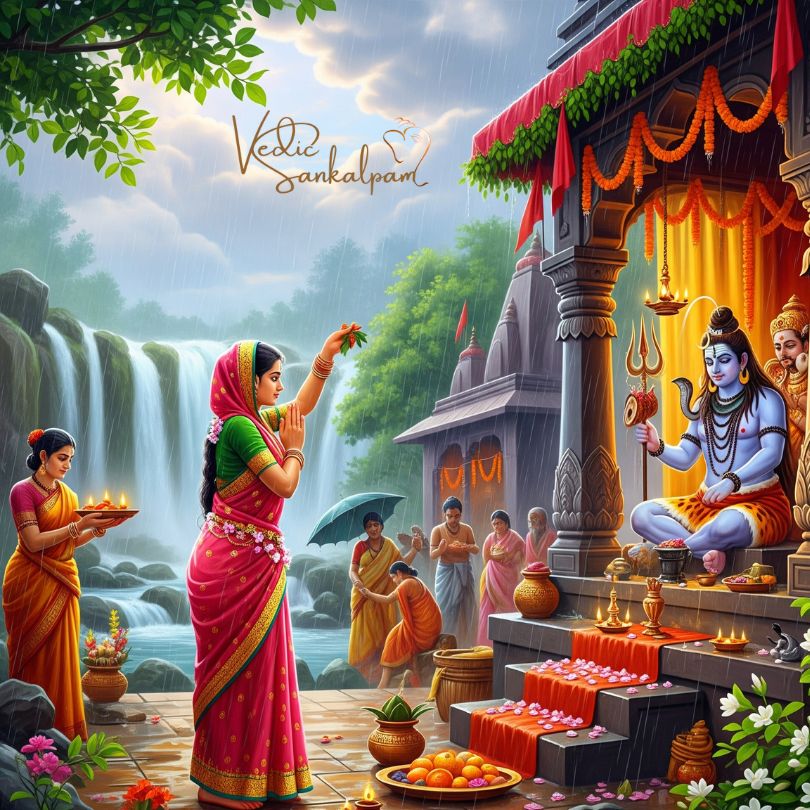
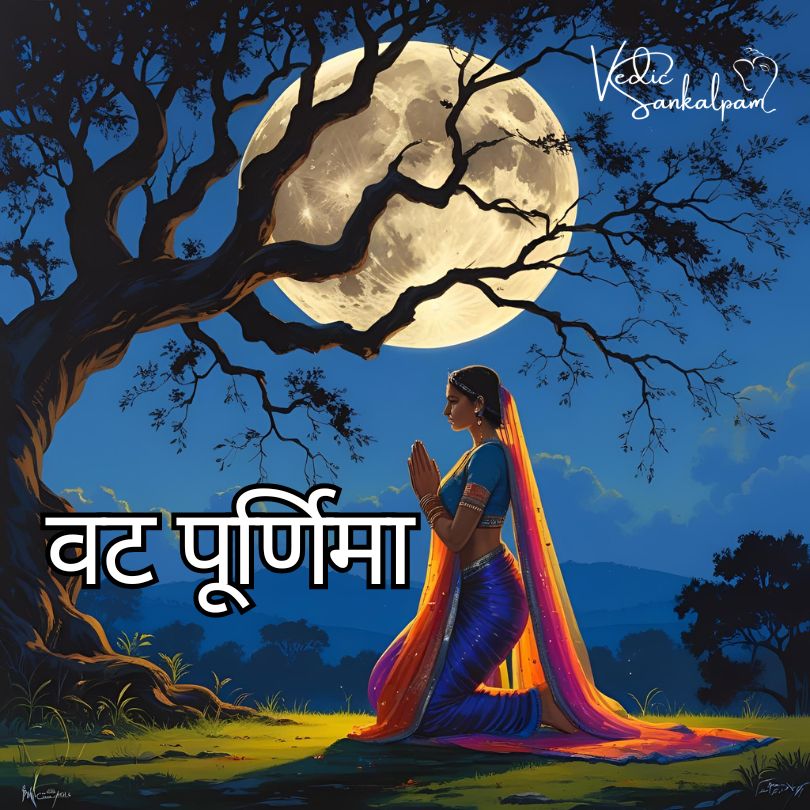
Vat Purnima, also known as Vat Savitri Vrat, is a revered Hindu festival celebrated predominantly by married women across Maharashtra, Gujarat, and parts of North India. This festival is observed to pray for the long life, prosperity, and well-being of husbands. Inspired by the legendary tale of Savitri and Satyavan, this day is marked by ritual fasting, prayers, and ceremonies held under the sacred banyan tree (Vat Vriksha).

Significance of Vat Purnima in Hindu Culture

The spiritual importance of Vat Purnima lies in its deep-rooted connection with marital fidelity, perseverance, and love. It commemorates the undying devotion of Savitri who brought her husband Satyavan back to life through her unwavering commitment and prayers to Lord Yama, the god of death. The banyan tree, symbolic of longevity and immortality, plays a vital role in this observance. Women tie sacred threads (raksha sutra) around the tree, signifying a bond that transcends lifetimes.

When is Vat Purnima Celebrated?

Vat Purnima is celebrated on the full moon day (Purnima) in the month of Jyeshtha as per the Hindu lunar calendar, which usually falls in May or June. The 2025 Vat Purnima will be observed on June 10, 2025. On this auspicious day, women wake up early, take a ritualistic bath, and dress in traditional sarees with mangalsutra and bangles, symbolizing their married status.

Vat Purnima Rituals and Traditions

1. Early Morning Preparations

The day begins with women rising before dawn, bathing with sesame-infused water, and donning bridal attire—typically red or yellow sarees with ornate jewelry. The application of kumkum (vermilion) on the forehead and parting of the hair is crucial, as it denotes suhaag (marital bliss).

2. Fasting and Prayers

A strict day-long fast is observed by women, abstaining from food and water. This fast is a form of tapasya (penance), performed with the hope of a healthy, prosperous life for their spouse. During the day, pujas (rituals) are performed, and Vat Purnima Vrat Katha—the story of Savitri and Satyavan—is recited.

3. Worship of the Banyan Tree (Vat Vriksha)

The core ritual involves circumambulating the banyan tree seven times while tying a sacred thread around it. Women offer wet pulses, fruits, flowers, red powder (kumkum), rice, and water to the tree. This act symbolizes the eternal bond of marriage and the strength of the banyan tree is invoked as a blessing.

4. Offerings and Dakshina

After the rituals, women offer dakshina (charity) to Brahmins or other women. This is considered an essential part of the punya (meritorious acts) of the vrat. Women also exchange gifts, cosmetics (sringar), and fruits among themselves, fostering communal harmony and sisterhood.

The Legend of Savitri and Satyavan

The origin of Vat Purnima Vrat is deeply rooted in the Mahabharata. Savitri, a devoted wife, chose Satyavan as her husband despite a prophecy that he would die within a year of marriage. On the foretold day, as Satyavan collapsed under a banyan tree, Lord Yama appeared to take his soul. Savitri followed him relentlessly, impressing Yama with her wisdom, devotion, and steadfastness. Pleased, he granted her three boons. With her final boon, she cleverly asked for children, which Yama could not deny without returning Satyavan’s life. Moved by her loyalty and love, Yama granted Satyavan his life back, making Savitri a symbol of ideal womanhood.

Vat Purnima Vrat Katha: The Spiritual Tale

The Vat Purnima Vrat Katha is recited during the puja and serves as a spiritual and moral guide. It is traditionally told in Marathi, Hindi, and Sanskrit, and centers on values like devotion, sacrifice, and righteousness. Women chant the story collectively or listen to a priest narrate it as part of the religious proceedings.

Regional Variations of Vat Purnima

While the essence remains the same, rituals vary across regions:

  • Maharashtra: The vrat is observed over three days, starting from Trayodashi to Purnima. Women perform the puja each day and break the fast on the final day.

  • Gujarat and Madhya Pradesh: The emphasis is more on group rituals at local temples or near sacred trees.

  • South India: Though Vat Purnima is less prevalent, the equivalent celebration is Karadaiyan Nombu, celebrated by Tamil women for similar reasons.

Vat Purnima Puja Samagri (Essential Items)

To perform the Vat Purnima Puja, the following items are required:

  • Kalash (pot filled with water)

  • Vat Vriksha branches or actual banyan tree

  • Red thread (for tying around the tree)

  • Fruits, flowers, sweets (especially puran poli), betel leaves, and nuts

  • Incense sticks, diya (lamp), kumkum, haldi (turmeric), and rice

  • Picture or idol of Savitri and Satyavan

  • Holy book or printout of Vat Purnima Katha

Modern Relevance of Vat Purnima

Despite modernization, Vat Purnima continues to thrive as a vibrant tradition. Today, many urban women observe the vrat with the same zeal, attending community pujas, or joining online puja sessions and forums. The festival serves as a spiritual detox, a day of reflection on the sanctity of relationships and the power of feminine devotion. It brings together generations of women, preserving cultural wisdom and ensuring that traditional values remain relevant in contemporary times.

Do’s and Don’ts During Vat Purnima

Do’s:

  • Perform all rituals with sincerity and devotion

  • Maintain celibacy and purity of thoughts throughout the vrat

  • Share the katha and prasadam with others

  • Engage in charitable acts

Don’ts:

  • Avoid consumption of food or water if observing nirjala vrat

  • Do not cut hair or nails on this day

  • Avoid anger, arguments, and negative behavior

  • Do not disrespect elders or other married women

Conclusion: Celebrating the Divine Bond of Marriage

Vat Purnima is more than just a religious festival—it’s a celebration of love, commitment, and the power of prayer. It honors the strength of women who carry forward ancient traditions with grace and sincerity. As we witness the banyan tree standing tall through centuries, so does the spirit of Vat Purnima Vrat, rooting families in values of faith, harmony, and eternal devotion.

Parthiv Shivling: Spiritual Significance, Benefits, and Proper Worship

Understanding the Parthiv Shivling and Its Divine Importance

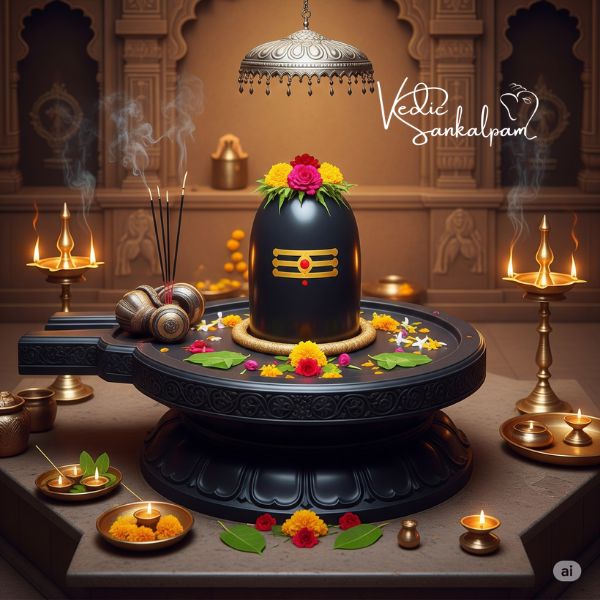
The Parthiv Shivling, made of natural clay or earth (Parthiv meaning “of the earth”), holds a uniquely sacred position in Sanatan Dharma. Unlike the eternal stone Shivlings found in temples, the Parthiv Shivling is created for specific rituals, ceremonies, and spiritual purposes, then respectfully immersed in water. It is considered a powerful medium to worship Lord Shiva, invoking His energy and blessings in a temporary yet highly potent form.

Origin and Mythological Significance of Parthiv Shivling

Parthiv Shivling
Parthiv Shivling

In the Puranic scriptures, it is stated that Lord Ram himself made Parthiv Shivlings on the banks of rivers and worshipped them to gain divine strength. Even during the Mahabharata era, it is said that the Pandavas performed Parthiv Shivling Puja to overcome great obstacles. These stories highlight the age-old reverence and sanctity of the practice.

The Skanda Purana, Shiva Purana, and other ancient texts underline the importance of making 108 Parthiv Shivlings during Mahashivratri or in times of planetary affliction to please Lord Shiva and seek His protection.

Spiritual Benefits of Worshipping Parthiv Shivling

Worshipping a Parthiv Shivling is not merely symbolic—it yields profound spiritual, emotional, and physical benefits:

  • Removal of Negative Energy: The earthly composition of the Parthiv Shivling helps absorb and dispel negative vibrations from the surrounding environment.

  • Fulfillment of Wishes: Devotees often experience the fulfillment of desires—be it spiritual growth, prosperity, or health—through consistent and sincere Parthiv Shivling puja.

  • Relief from Doshas: It is highly recommended for those suffering from Pitru Dosha, Kaal Sarp Dosha, or planetary afflictions, offering relief through Lord Shiva’s blessings.

  • Cleansing of Sins: According to the Shiva Purana, performing Abhishekam on a Parthiv Shivling with sacred materials helps cleanse lifetimes of karma and sins.

  • Elevation in Spiritual Consciousness: This practice leads to inner peace, heightened intuition, and a deepened connection with the divine.

Materials Used to Create a Parthiv Shivling

A true Parthiv Shivling is crafted using natural, unpolluted clay or sacred earth. Sometimes, holy water from rivers like the Ganga or Yamuna is mixed into the clay. The Shivling is always made by hand, with devotion and spiritual intention. The size of the Shivling can vary, but 108 small Shivlings or a single large one is common in ritual practices.

Best Occasions to Perform Parthiv Shivling Puja

While one can perform this puja at any time with devotion, certain days are especially auspicious:

  • Mahashivratri

  • Shravan Month Mondays (Sawan Somvar)

  • Pradosh Vrat

  • Amavasya (New Moon Day)

  • Grahan (Eclipse) Days

  • Special Poojas for Ancestral Peace

Each of these occasions enhances the cosmic and spiritual potency of the ritual.

Step-by-Step Ritual: How to Perform Parthiv Shivling Puja

1. Purification and Setup

Start with cleansing your body and surroundings. Choose a peaceful space, ideally on an altar or a natural setting. Spread a clean cloth or plate and place the handmade Parthiv Shivling on it.

2. Invocation of Lord Shiva

Chant “Om Namah Shivaya” or Shiva Dhyana Mantras to invite the divine presence. Light a ghee lamp and incense to purify the environment.

3. Abhishekam (Sacred Bathing)

Use a combination of:

  • Milk (symbol of purity)

  • Curd (symbol of fertility)

  • Honey (sweetness of life)

  • Sugarcane juice (removal of obstacles)

  • Ganga jal (spiritual purification)

  • Rose water or plain water

Each item is poured slowly on the Shivling with devotion while chanting mantras.

4. Offering of Flowers and Bilva Leaves

Bilva (Bel) leaves are extremely dear to Lord Shiva. Offer odd-numbered leaves, preferably 3 or 5, while chanting “Om Namah Shivaya”. White flowers like Datura and Aparajita are also auspicious.

5. Aarti and Mantra Chanting

Perform Aarti with bells, singing Shiva Aarti songs or reciting Shiv Tandav Stotram or Maha Mrityunjaya Mantra. This elevates the energy and creates a divine resonance.

6. Prasad Offering

Offer naivedya (food offering) such as fruits, dry fruits, or sweets made of jaggery or coconut.

7. Visarjan (Immersion)

At the end of the puja, the Parthiv Shivling is respectfully immersed in flowing water or a clean container kept for this purpose. This represents the cyclical nature of life, reinforcing that all material forms return to their source.

Who Should Perform the Parthiv Shivling Puja

This powerful ritual is beneficial for:

  • Individuals facing financial and career struggles

  • Couples seeking marital harmony or child conception

  • Those afflicted by black magic or evil eyes

  • Spiritual seekers wishing for moksha (liberation)

  • Devotees undergoing severe health issues

Anyone, regardless of caste or gender, can perform this puja with devotion and purity.

Scientific Perspective on Parthiv Shivling Worship

Interestingly, the earth used in Parthiv Shivling has natural grounding properties. It helps harmonize human electromagnetic fields, promoting mental clarity and emotional balance. The use of bilva leaves and ghee lamps further purifies the atmosphere, increasing positive ions that influence mood and wellbeing.

Astrological and Vedic Recommendations

Vedic astrologers often advise Parthiv Shivling puja to reduce the malefic effects of Saturn (Shani), Rahu, and Ketu. For those facing prolonged legal battles, delays in marriage, or business loss, it is a divine remedy to remove karmic blockages.

Conclusion: The Power of Parthiv Shivling in Daily Life

The Parthiv Shivling is more than just a clay idol—it is a vibrant spiritual tool that invites Lord Shiva’s infinite grace. Through its humble creation and sacred worship, we align ourselves with the universal rhythms of transformation, dissolution, and rebirth. Incorporating this sacred ritual into our spiritual discipline can lead to profound healing, divine protection, and spiritual awakening

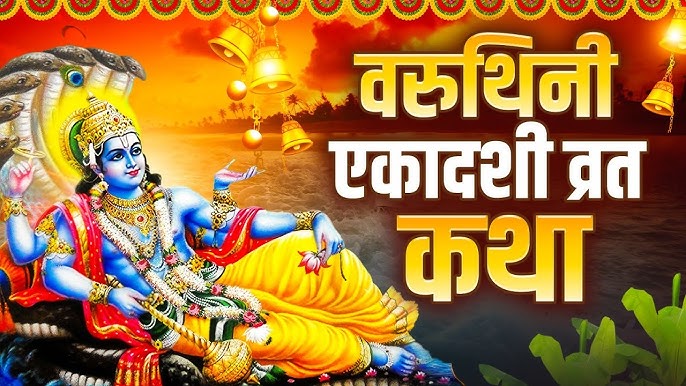
Varuthini Ekadashi Vrat Katha

वरूथिनी एकादशी व्रत कथा – सम्पूर्ण जानकारी और महात्म्य

वरूथिनी एकादशी का महत्व

वरूथिनी एकादशी हिन्दू धर्म में अत्यंत पवित्र और पुण्यदायक व्रत माना जाता है। यह व्रत वैशाख मास के कृष्ण पक्ष की एकादशी तिथि को आता है और इसका विशेष महत्व भगवान श्रीविष्णु की पूजा से जुड़ा हुआ है। शास्त्रों में वर्णित है कि इस दिन का व्रत करने से पापों का नाश होता है और मोक्ष की प्राप्ति होती है।

वरूथिनी एकादशी की पौराणिक कथा

पुराणों के अनुसार, एक बार राजा मंदाता ने इस व्रत का पालन किया और अपने जीवन के समस्त पापों से मुक्ति पाई। भविष्य पुराण में वर्णित है कि एक समय राजा मंदाता को एक राक्षस ने श्राप देकर कष्ट दिया था। इस कष्ट से मुक्ति पाने के लिए उन्होंने वरूथिनी एकादशी का विधिपूर्वक व्रत किया, जिसके प्रभाव से वह पुनः अपने पूर्व रूप में आ गए।

इस व्रत को करने से शारीरिक, मानसिक व आध्यात्मिक शुद्धि होती है। यह व्रत भाग्य में वृद्धि, अवांछित घटनाओं से रक्षा और दिव्य अनुग्रह प्राप्त करने का माध्यम है।

वरूथिनी एकादशी व्रत की तिथि और शुभ मुहूर्त

2025 में वरूथिनी एकादशी तिथि इस प्रकार है:

  • तिथि प्रारंभ: 28 अप्रैल 2025, सोमवार को रात 09:16 बजे

  • तिथि समाप्त: 29 अप्रैल 2025, मंगलवार को रात्रि 06:47 बजे

  • व्रत पारण का समय: 29 अप्रैल 2025 को प्रातः 06:00 बजे से 08:40 बजे के बीच

वरूथिनी एकादशी का व्रत विधि

पूर्व तैयारी

  • एक दिन पहले यानी दशमी तिथि को सात्विक भोजन ग्रहण करें।

  • रात्रि में भगवान का स्मरण करते हुए ब्रह्मचर्य व्रत का पालन करें।

  • प्रातःकाल स्नान कर स्वच्छ वस्त्र धारण करें।

व्रत का प्रारंभ

  • प्रातःकाल भगवान विष्णु की पूजा करें।

  • श्रीहरि को तुलसी दल, पीले पुष्प, धूप-दीप अर्पित करें।

  • एकादशी व्रत कथा का श्रवण या पाठ करें।

  • पूरे दिन उपवास रखें। यदि पूर्ण उपवास संभव न हो, तो फलाहार करें।

  • रात्रि को जागरण करें और विष्णु सहस्त्रनाम का पाठ करें।

पारण विधि

  • अगले दिन द्वादशी के दिन ब्राह्मण या ज़रूरतमंदों को दान-दक्षिणा दें।

  • अन्न, वस्त्र, तांबे के बर्तन और तुलसी दल का दान करें।

  • व्रत का पारण विधिपूर्वक करें।

वरूथिनी एकादशी के लाभ

  • पापों से मुक्ति: इस व्रत के प्रभाव से जीवन में अनजाने पाप भी नष्ट हो जाते हैं।

  • स्वास्थ्य लाभ: मानसिक और शारीरिक शुद्धि होती है।

  • धन-संपत्ति में वृद्धि: इस दिन व्रत रखने से लक्ष्मी कृपा प्राप्त होती है।

  • मोक्ष की प्राप्ति: आत्मा को परम शांति और मुक्ति की ओर अग्रसर करती है।

  • सकारात्मक ऊर्जा का संचार: पूरे वातावरण में दिव्यता का संचार होता है।

वरूथिनी एकादशी से जुड़े नियम

  • इस दिन लहसुन, प्याज, मांस, मदिरा का सेवन वर्जित है।

  • भूमि पर सोना, परनिंदा, झूठ बोलना, क्रोध करना निषिद्ध है।

  • सत्संग, भजन-कीर्तन, श्री विष्णु का स्मरण इस दिन विशेष फलदायी होता है।

वरूथिनी एकादशी – विशेष अनुशासन

यह व्रत केवल उपवास तक सीमित नहीं है, बल्कि यह आचरण और मनोवृत्ति की पवित्रता पर भी आधारित है। जो व्यक्ति इस दिन दूसरों की सहायता करता है, दान करता है और संयमित जीवन जीता है, उसे भगवान विष्णु की विशेष कृपा प्राप्त होती है।

वरूथिनी एकादशी और ज्योतिषीय महत्व

ज्योतिष शास्त्र के अनुसार, इस दिन किए गए धार्मिक कर्म, पुण्य कार्य और दान का फल कई गुना अधिक होता है। साथ ही यह दिन शनि दोष, पितृ दोष तथा कुंडली के अशुभ प्रभावों को शमन करने के लिए श्रेष्ठ माना जाता है।

निष्कर्ष

वरूथिनी एकादशी एक अत्यंत शक्तिशाली और पुण्यदायक व्रत है, जो न केवल आध्यात्मिक उन्नति का मार्ग प्रशस्त करता है, बल्कि दैहिक, दैविक और भौतिक समस्याओं से भी रक्षा करता है। इस व्रत को श्रद्धा और नियमपूर्वक करने से व्यक्ति का जीवन सफल और समृद्ध हो सकता है।

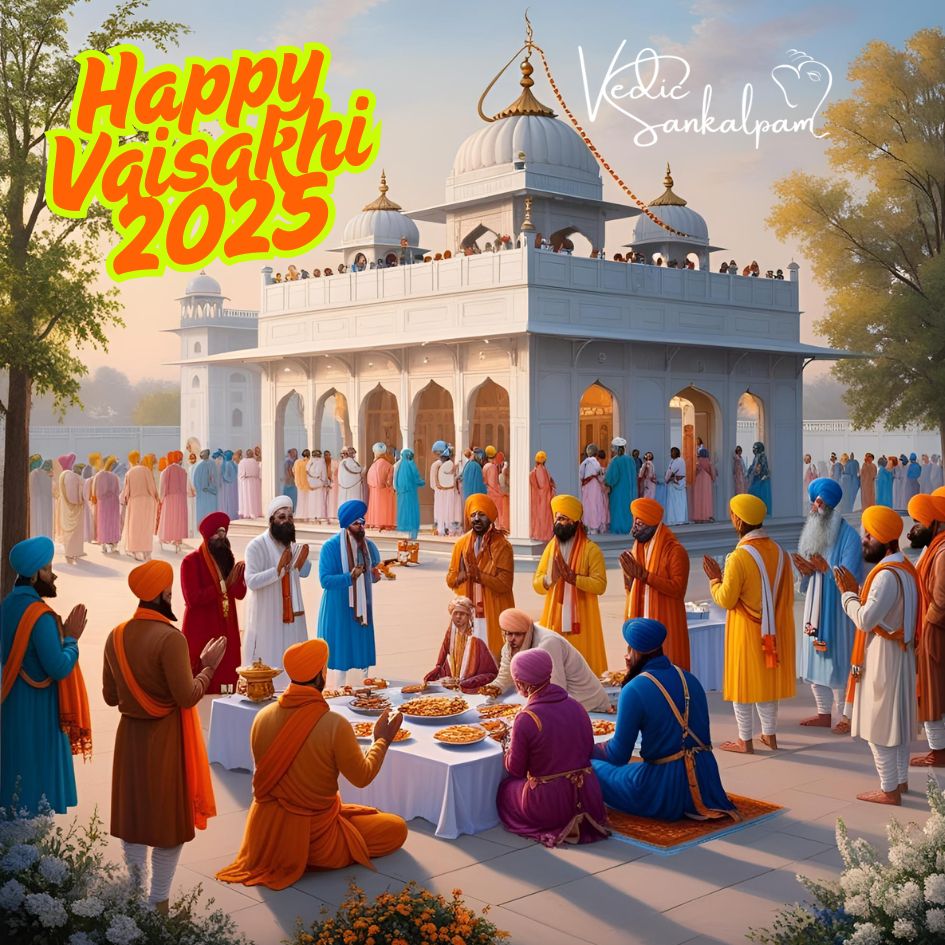
Vaisakhi 2025: The Ultimate Guide to Dates, Significance & Celebrations

Introduction: The Vibrant Festival of Harvest & New Beginnings

Vaisakhi (also called Baisakhi) is one of the most significant festivals in Punjab and across the Sikh community worldwide. In 2025, Vaisakhi will be celebrated on Sunday, April 13, marking not just the Punjabi New Year and harvest festival, but also the formation of the Khalsa Panth by Guru Gobind Singh Ji in 1699.

This comprehensive guide covers:
✔ Vaisakhi 2025 exact date & significance
✔ Historical & religious importance
✔ Top celebrations worldwide (Golden Temple, Canada, UK)
✔ Traditional food, dances & rituals
✔ Modern trends & virtual celebrations

Vaisakhi 2025
Vaisakhi 2025

1. Vaisakhi 2025: Key Dates & Solar Significance

Event Date Astrological Significance
Vaisakhi April 13, 2025 Solar New Year (Mesha Sankranti)
Khalsa Sajna Divas April 13 326th anniversary of Khalsa Panth

Note:

  • Vaisakhi always falls on April 13 or 14 (based on the solar calendar).
  • In 2025, the Mesha Sankranti (Sun’s transition into Aries) occurs at 8:15 AM IST on April 13.

2. The Dual Significance of Vaisakhi: Harvest & Khalsa Foundation

A. As a Harvest Festival

  • Celebrates the Rabi crop harvest (wheat, barley)
  • Farmers thank God for a bountiful yield
  • Traditional Bhangra & Gidda dances in fields

B. As a Sikh Religious Festival

  • 1699: Guru Gobind Singh Ji established the Khalsa Panth at Anandpur Sahib
  • The Panj Pyare (Five Beloved Ones) were baptized
  • Sikhs take Amrit (holy nectar) and renew faith

3. How Vaisakhi is Celebrated Worldwide

A. Punjab, India (The Grandest Celebrations)

✅ Golden Temple, Amritsar

  • Nagarkirtan processions (holy scripture parades)
  • Langar for 1 lakh+ devotees (world’s largest free kitchen)

✅ Anandpur Sahib

  • Reenactment of Khalsa creation
  • Martial arts displays (Gatka)

B. Canada (Largest Vaisakhi Outside India)

  • Surrey, BC: 500,000+ attendees in the annual parade
  • Toronto: Kirtan competitions & turban-tying events

C. United Kingdom (Birmingham & London)

  • Handsworth Park (Birmingham): 3-day festival
  • Trafalgar Square (London): Bhangra performances

4. Traditional Vaisakhi Rituals & Customs

A. Gurdwara Visits & Prayers

  • Asa di Var (morning hymns)
  • Kirtan (devotional singing)

B. Nagar Kirtan Processions

  • Guru Granth Sahib carried in a palanquin
  • Gatka warriors & float displays

C. Community Feasting (Langar)

  • Must-try foods:
    • Kada Prasad (sweet wheat offering)
    • Makki di Roti & Sarson da Saag
    • Pinni (sweet lentil balls)

5. Top 5 Places to Experience Vaisakhi 2025

Location Highlight Best For
Golden Temple, Amritsar Nighttime illumination Spiritual seekers
Anandpur Sahib, Punjab Khalsa reenactment History lovers
Surrey, Canada Massive parade Diaspora families
Birmingham, UK 3-day mela Cultural immersion
Yuba City, USA Punjabi folk dances NRI community

6. Modern Vaisakhi Trends in 2025

  • Virtual Darshan: Live-streamed Golden Temple events
  • Eco-friendly Nagar Kirtans: Biodegradable decorations
  • AI-Powered Vaisakhi Apps: Learn Gurmukhi & Sikh history

7. Vaisakhi FAQs

Q: Is Vaisakhi only a Sikh festival?
A: No! Hindus celebrate it as Solar New Year, Buddhists as Buddha Purnima, and others as a harvest festival.

Q: What clothes to wear for Vaisakhi?
A: Bright colors—orange, yellow, blue. Women wear Punjabi suits, men Kurta-Pajama with turbans.

Q: Best charity for Vaisakhi?
A: Donate to Sikh food banks (Langar initiatives).


Conclusion: Join the Global Vaisakhi Joy in 2025

Vaisakhi 2025 is a vibrant mix of faith, culture, and community bonding. Whether you:
✅ Attend a Nagar Kirtan
✅ Feast at a Langar
✅ Dance Bhangra in a field

…let this festival inspire new beginnings & gratitude.


For Online E-Puja and Online Yagya Contact Us

    Hanuman Janmotsav 2025: Date, Significance, Celebrations & Rituals

    Introduction: The Divine Celebration of Lord Hanuman’s Birth

    Hanuman Janmotsav, the auspicious festival marking the birth of Lord Hanuman, will be celebrated on Tuesday, April 15, 2025 with immense devotion across India and globally. This festival honors the epic Ramayana hero—symbolizing strength, devotion, and selfless service.

    In this definitive guide, discover:
    ✔ Hanuman Janmotsav 2025 exact date & muhurat
    ✔ Spiritual significance & mythological story
    ✔ Top temple celebrations (Ayodhya, Varanasi, Hampi)
    ✔ Fasting rules, puja vidhi & mantra chanting
    ✔ Modern celebrations: Digital aartis & eco-friendly practices


    1. Hanuman Janmotsav 2025: Key Dates & Timings

    Hanuman Janmotsav 2025
    Hanuman Janmotsav 2025
    Event Date Muhurat (IST)
    Hanuman Jayanti April 12, 2025 Purnima Tithi starts: April 12, 3:21 AM
    Purnima Tithi ends: April 13, 5:51 AM
    Best Puja Time April 12 6:07 pM – 8:39 PM (Abhijit Muhurat)

    Note: In South India, Hanuman Jayanti is observed on Margashirsha Amavasya (December 2025).


    2. The Legend: Why We Celebrate Hanuman Jayanti

    A. Birth Story (From Valmiki Ramayana)

    • Born to Anjana & Kesari in Anjaneri (Maharashtra)
    • Blessed by Lord Shiva & Vayu (Wind God)
    • Childhood feat: Mistaking the sun for fruit, he leaped to devour it (Indra intervened)

    B. Hanuman’s Role in Ramayana

    • Bridge builder (Rama Setu)
    • Lifesaver (Carried Sanjeevani herb for Lakshmana)
    • Ultimate devotee (Carved Rama’s name on his chest)

    3. How Hanuman Janmotsav is Celebrated Across India

    A. North India (Ramayana Belt)

    • Ayodhya, UP: Grand Shobha Yatra with Hanuman effigies
    • Varanasi, UP: Sankat Mochan Temple hosts 24-hour Akhand Ramayana path

    B. South India (Dravidian Traditions)

    • Hampi, Karnataka: Hanuman temple at Anjanadri Hill (believed birthplace)
    • Rameswaram, TN: Special puja where Hanuman met Rama

    C. Maharashtra (Anjaneri Pilgrimage)

    • Devotees trek to Anjaneri Fort (Nasik) for sunrise prayers

    4. Essential Rituals & Puja Vidhi (Step-by-Step)

    A. Fasting (Vrat) Rules

    ✔ Ekadashi-style fast: No grains, only fruits/milk
    ✔ Avoid: Onion, garlic, alcohol

    B. Puja Items Checklist

    • Sindoor (vermilion)
    • Besan ladoos (Hanuman’s favorite)
    • Dhoop, diya, & red flowers

    C. Mantras to Chant

    1. Hanuman Chalisa (40 verses)
    2. Bajrang Baan (For protection)
    3. Om Shri Hanumate Namah (108x)

    Pro Tip: Attend Sundar Kand recitals for blessings.


    5. Top 5 Hanuman Temples for 2025 Celebrations

    Temple Location Unique Ritual
    Hanuman Garhi Ayodhya, UP 56-foot statue & evening aarti
    Sankat Mochan Varanasi, UP Free langar for 10,000+ devotees
    Salasar Balaji Rajasthan Silver chariot procession
    Mehandipur Balaji Rajasthan Exorcism rituals (day-long)
    Anjanadri Hill Hampi, Karnataka Sunrise trek & cradle ceremony

    6. Modern Celebrations: Digital & Eco-Friendly Trends

    • Virtual Darshan: Live-streamed aartis from major temples
    • Eco-Friendly Offerings: Biodegradable sindoor packets
    • AI Hanuman Apps: Interactive Chalisa learning tools

    7. Hanuman Janmotsav FAQs

    Q: Why is Hanuman painted red?
    A: Represents divine energy & sindoor he applied for Rama’s longevity.

    Q: Can non-Hindus participate?
    A: Yes! Hanuman is worshipped globally for courage.

    Q: Best charity for Hanuman Jayanti?
    A: Donate to monkey shelters (Goshalas).


    Conclusion: Embrace the Power of Bajrangbali in 2025

    Hanuman Janmotsav 2025 is more than ritual—it’s a call to cultivate strength & devotion. Whether you:
    ✅ Visit a temple
    ✅ Fast & chant mantras
    ✅ Join a virtual satsang

    …let Hanuman’s energy inspire fearlessness in your life.

    Havan Samagri: The Complete Guide to Sacred Fire Ritual Ingredients

    Introduction: The Spiritual Science Behind Havan Samagri

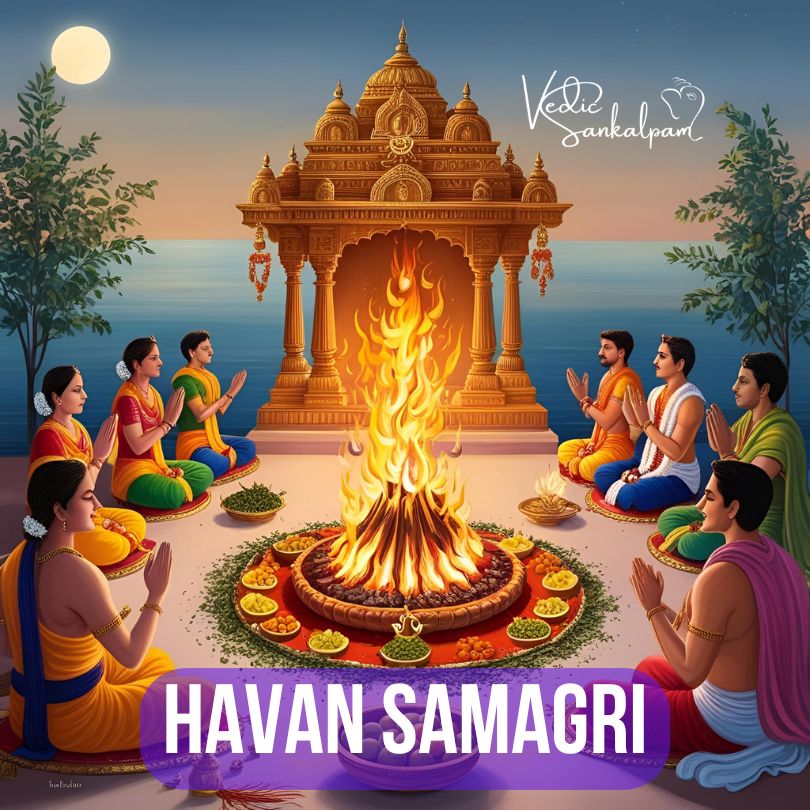
    Havan samagri—the sacred mixture of herbs, woods, and resins used in Hindu fire rituals—is far more than just ritualistic fuel. Ancient Vedic texts describe it as a powerful purifier that transforms negative energies into positive vibrations through scientific yajna principles.

    Havan Samagri
    Havan Samagri

    This comprehensive guide explores:
    ✔ What is havan samagri? (Exact composition & purpose)
    ✔ 21 essential ingredients & their spiritual benefits
    ✔ Step-by-step preparation method (Traditional vs. modern)
    ✔ Scientific research on medicinal fumigation effects
    ✔ Where to buy authentic samagri (Trusted brands + DIY)

    Whether you’re a priest, spiritual seeker, or curious about Vedic traditions, this guide reveals why havan samagri is called “the pharmacy of the gods.”


    1. What is Havan Samagri? Definition & Purpose

    Havan samagri refers to the sacred mixture offered in fire rituals (yajna/homa). Unlike ordinary firewood, it contains:

    • Medicinal herbs (Purify atmosphere)
    • Aromatic woods (Attract divine energies)
    • Resins & dried fruits (Enhance spiritual vibrations)
    • Vedic mantras (Charged during preparation)

    4 Primary Functions:

    1. Physical Purification – Acts as natural disinfectant
    2. Energetic Cleansing – Removes negative vibrations
    3. Divine Invocation – Carries offerings to deities
    4. Therapeutic Benefits – Ayurvedic fumigation properties

    2. 21 Essential Ingredients & Their Benefits

    A. Base Woods (70% of Mixture)

    Ingredient Sanskrit Name Benefits
    Sandalwood Chandana Calms mind, attracts Lakshmi
    Peepal Ashvattha Removes planetary afflictions
    Mango Amra Promotes prosperity
    Banyan Vata Longevity & health

    B. Medicinal Herbs (20%)

    Ingredient Sanskrit Name Benefits
    Tulsi Haripriya Purifies respiratory system
    Brahmi Saraswati Enhances meditation
    Giloy Amrita Boosts immunity
    Shankhpushpi Reduces stress

    C. Special Additives (10%)

    Ingredient Purpose
    Camphor (Kapur) Mental clarity
    Saffron (Kesar) Divine blessings
    Dry coconut Fullness of offerings
    Ghee Carrier of mantras

    Note: Traditional samagri includes 108 ingredients in some advanced rituals.


    3. Traditional Preparation Method (Step-by-Step)

    Step 1: Collection

    • Gather materials on Pushya Nakshatra (enhances potency)
    • Use only chemical-free, wild-harvested ingredients

    Step 2: Proportioning

    • Base woods (70%) chopped into 1-inch pieces
    • Herbs (20%) dried in shade
    • Additives (10%) powdered separately

    Step 3: Mantra Charging

    • Recite “Om Agnaye Svaha” during mixing
    • Store in copper vessels for 3 days before use

    Modern Shortcut: Many now use pre-mixed samagri from trusted brands like Giri Trading or Sanskriti Vastra.


    4. Scientific Research on Havan Effects

    Recent studies validate ancient wisdom:

    • AIIMS Delhi (2021): Havan smoke reduces airborne bacteria by 94%
    • NASA Research: Certain samagri ingredients release negative ions that purify air
    • Ayurveda: Fumigation with neem+guggul prevents viral infections

    Therapeutic Index of Common Ingredients:

    Ingredient Antimicrobial % Relaxation Effect
    Sandalwood 88% ★★★★★
    Tulsi 92% ★★★★☆
    Guggul 85% ★★★☆☆

    5. Where to Buy Authentic Havan Samagri

    Trusted Brands (India)

    1. Giri Trading Co. (Traditional 108-ingredient mix)
    2. Patanjali (Affordable daily havan packs)
    3. Sanskriti Vastra (Organic, mantra-charged)

    International Shipping

    • Amazon Spiritual Store (US/UK deliveries)
    • Vedically (Canada/Australia)

    Price Range: ₹50–₹500 per kg based on quality

    DIY Option: Source local organic ingredients for custom blends


    6. Common Mistakes to Avoid

    ❌ Using chemically-treated woods
    ❌ Skipping mantra recitation during preparation
    ❌ Burning plastic packets instead of pure ghee
    ❌ Wrong proportions (Too much camphor causes headaches)


    7. Frequently Asked Questions

    Q: Can we reuse leftover samagri?
    A: Never. Each havan requires fresh samagri for full potency.

    Q: Is electric havan kund effective?
    A: For basic rituals yes, but traditional fire has superior energy.

    Q: Difference between homa and havan samagri?
    A: Homa samagri often includes more rare herbs like agarwood.


    Conclusion: The Living Pharmacy of the Vedas

    Havan samagri represents one of Hinduism’s greatest gifts—a scientifically-validated, spiritually-potent tool for transformation. As modern research catches up with ancient wisdom, these sacred ingredients continue proving their value beyond ritual into therapy and ecology.


    Online Yagya and Puja Contact Us..

      Chaitra Navratri 2025: Dates, Significance, Rituals & Celebrations – The Complete Guide

      Introduction: The Sacred Spring Festival of Divine Feminine Power

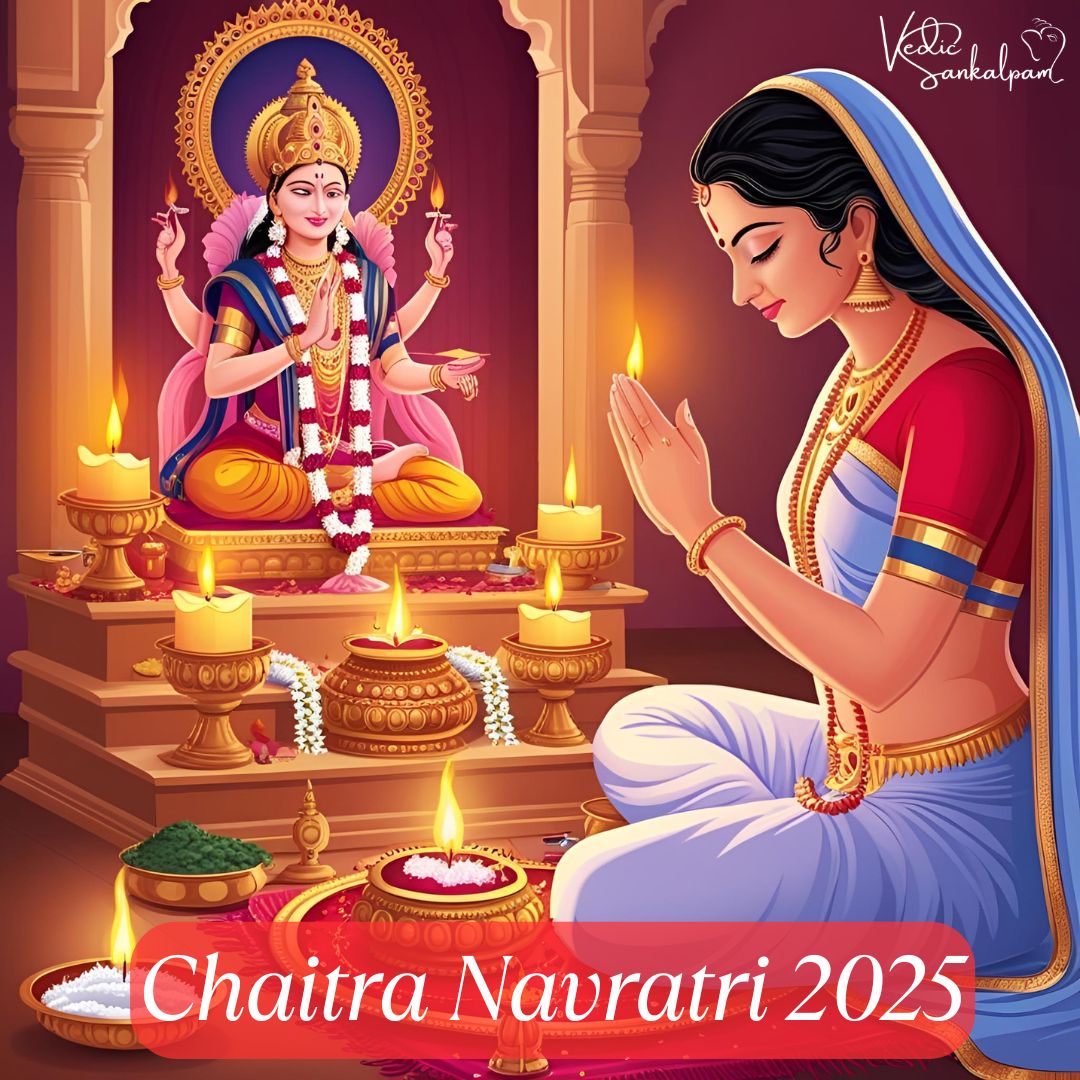
      Chaitra Navratri, the auspicious nine-night festival marking the beginning of the Hindu New Year in most Indian states, will be celebrated from March 30 to April 7, 2025. This vibrant festival honors Goddess Durga in her nine divine forms while welcoming the spring season with spiritual fervor and cultural splendor.

      This ultimate guide covers everything you need to know about Chaitra Navratri 2025:
      ✔ Exact dates and muhurat timings
      ✔ Day-by-day goddess worship schedule
      ✔ Regional celebrations across India
      ✔ Fasting rules and puja vidhi
      ✔ Modern trends and eco-friendly celebrations


      1. Chaitra Navratri 2025: Key Dates & Tithi Details

      Chaitra Navratri 2025
      Chaitra Navratri 2025
      Day Date Goddess Form Significance Puja Color
      Pratipada March 30 Shailputri Ghatasthapana (6:14 AM – 10:24 AM) Red
      Dwitiya March 31 Brahmacharini Chandra Darshan Royal Blue
      Tritiya April 1 Chandraghanta Sowbhagya Teej Yellow
      Chaturthi April 2 Kushmanda Vinayaka Chaturthi Green
      Panchami April 3 Skandamata Naag Puja Grey
      Shashthi April 4 Katyayani Saraswati Awahan Orange
      Saptami April 5 Kalaratri Saptami Puja White
      Ashtami April 6 Mahagauri Durga Ashtami (12:14 PM – 1:01 PM) Pink
      Navami April 7 Siddhidatri Ram Navami, Navratri Parana Purple

      Note: All timings are based on IST (Indian Standard Time)


      2. Spiritual Significance of Chaitra Navratri

      Chaitra Navratri holds dual importance in Hindu tradition:

      • Celebrates the victory of Goddess Durga over demon Mahishasura
      • Marks the beginning of the Hindu lunar calendar year (Vikram Samvat 2082)
      • Coincides with Ram Navami (Lord Rama’s birthday) on the final day

      Unique Aspect: Unlike Sharad Navratri which celebrates Durga Puja, Chaitra Navratri gives equal importance to Lord Rama’s birth celebrations.


      3. Regional Celebrations Across India

      A. North India (Including Uttarakhand & Himachal)

      • Kanya Pujan: Worship of nine young girls representing Navadurga
      • Ramleela performances building up to Ram Navami
      • Special Temples: Vaishno Devi (Jammu), Naina Devi (Himachal)

      B. Maharashtra & Goa

      • Gudi Padwa celebrations on Pratipada (March 30)
      • Panchami (April 3): Special Saraswati Puja for students

      C. South India (Andhra, Karnataka, Tamil Nadu)

      • Ugadi festival on Pratipada (March 30)
      • Temple Brahmotsavams at major Shakti peethas

      D. East India (West Bengal & Odisha)

      • Basanti Puja (Spring Durga Puja) in some regions
      • Chaitra Parba celebrations in Odisha

      4. Complete Puja Vidhi & Fasting Guidelines

      A. Daily Worship Rituals

      1. Ghatasthapana: First day ritual of installing the kalash
      2. Akshata (Rice Offering): Daily ritual with specific mantras
      3. Durga Saptashati Path: Recommended reading for all nine days

      B. Navratri Vrat Rules

      ✔ Allowed Foods:

      • Fruits, milk products, sabudana, singhare ka atta
      • Sendha namak (rock salt) instead of regular salt

      ❌ Foods to Avoid:

      • Onion, garlic, non-vegetarian food
      • Alcohol and tobacco
      • Regular grains (wheat, rice) except on Ram Navami

      C. Special Pujas

      • Saraswati Puja (April 4-5) – For knowledge and arts
      • Sandhi Puja (April 6, 12:14-1:01 PM) – Most powerful 48 minutes

      5. Best Places to Experience Chaitra Navratri 2025

      1. Ayodhya, UP – Grand Ram Navami celebrations
      2. Vaishno Devi, Jammu – Special Navratri pilgrimages
      3. Tuljapur, Maharashtra – Famous Bhavani Temple celebrations
      4. Chennakesava Temple, Karnataka – Unique floral decorations

      6. Modern Trends & Eco-Friendly Celebrations

      • Digital Kalash: Virtual puja options for NRIs
      • Organic Colors: For kumkum and haldi offerings
      • Clay Idols: Instead of plaster of Paris for Ram Navami
      • Solar-Powered Pandals: In progressive communities

      7. Chaitra Navratri FAQs

      Q: How is Chaitra Navratri different from Sharad Navratri?
      A: Chaitra Navratri occurs in spring (March-April) and emphasizes both Durga worship and Ram Navami, while Sharad Navratri (September-October) focuses primarily on Durga Puja.

      Q: Can working professionals observe the fast?
      A: Yes! Many opt for partial fasts (one meal per day) or fruit-based diets that accommodate work schedules.

      Q: What’s special about Ram Navami?
      A: The ninth day celebrates Lord Rama’s birth with special pujas, Rama Katha recitals, and in Ayodhya, spectacular processions.


      Conclusion: Embrace the Divine Energy of Spring

      Chaitra Navratri 2025 offers a powerful spiritual reboot as nature itself renews. Whether you observe strict fasts, participate in community pujas, or simply soak in the cultural atmosphere, these nine days can bring profound blessings.

      Cheruvugattu Temple: A Sacred Abode of Goddess Durga in Telangana

      Nestled amidst the serene hills of Cheruvugattu in Telangana, the Cheruvugattu Temple is a renowned pilgrimage site dedicated to Goddess Durga. Known for its spiritual significance, breathtaking surroundings, and unique rituals, this temple attracts thousands of devotees and tourists every year. In this article, we’ll explore the history, significance, rituals, and travel guide to the Cheruvugattu Temple, offering a comprehensive overview of this divine destination.


      Overview of Cheruvugattu Temple

      • Location: Cheruvugattu, Nalgonda District, Telangana, India.
      • Deity: Goddess Durga (Cheruvugattu Ammavaru).
      • Best Time to Visit: September to March (during festivals like Dasara).
      • Significance: A powerful Shakti Peetha and a symbol of divine feminine energy.

      History and Legend of Cheruvugattu Temple

      Cheruvugattu Temple
      Cheruvugattu Temple

      1. Mythological Significance

      According to legend, the Cheruvugattu Temple is one of the 18 Shakti Peethas in Telangana. It is believed that a part of Goddess Sati’s body fell here during Lord Shiva’s Tandava (cosmic dance), making it a sacred site for worshipping the divine feminine energy.

      2. Historical Background

      The temple has a rich history dating back several centuries. It is said to have been built during the reign of the Kakatiya dynasty, known for its patronage of art, culture, and religion. The temple’s architecture reflects the Kakatiya style, with intricate carvings and a serene ambiance.


      Significance of Cheruvugattu Temple

      1. Spiritual Power:
        • The temple is believed to fulfill the wishes of devotees who pray with sincerity and devotion.
      2. Natural Beauty:
        • Located on a hill, the temple offers panoramic views of the surrounding landscape, making it a perfect blend of spirituality and nature.
      3. Cultural Heritage:
        • The temple is a testament to the rich cultural and architectural heritage of Telangana.
      4. Festivals and Rituals:
        • The temple hosts grand celebrations during festivals like Dasara, attracting devotees from far and wide.

      Architecture of Cheruvugattu Temple

      Cheruvugattu Temple
      Cheruvugattu Temple
      1. Main Shrine:
        • The sanctum sanctorum houses the idol of Goddess Durga, adorned with jewelry and flowers.
      2. Temple Complex:
        • The temple complex includes smaller shrines dedicated to Lord Shiva, Lord Hanuman, and other deities.
      3. Hilltop Location:
        • The temple is situated on a hill, requiring devotees to climb a series of steps to reach the main shrine.
      4. Natural Springs:
        • The temple is surrounded by natural springs, adding to its serene and spiritual ambiance.

      Rituals and Worship at Cheruvugattu Temple

      1. Daily Puja

      • The temple conducts daily pujas and aartis, including Abhishekam (ritual bathing of the deity) and Archana (offering of flowers and prayers).

      2. Special Rituals

      • Kumkuma Puja: Women offer kumkum (vermilion) to the goddess for marital bliss and family harmony.
      • Nava Durga Puja: A nine-day worship of the nine forms of Goddess Durga during Dasara.

      3. Fasting and Vratas

      • Many devotees observe fasts on Tuesdays and Fridays, considered auspicious for worshipping Goddess Durga.

      4. Offerings:

      • Devotees offer coconuts, sarees, and bangles to the goddess as a symbol of gratitude and devotion.

      Festivals Celebrated at Cheruvugattu Temple

      1. Dasara (Navaratri):
        • The temple comes alive during the nine-day festival of Navaratri, with special pujas, cultural programs, and processions.
      2. Bonalu:
        • A traditional Telangana festival where devotees offer cooked rice and jaggery to the goddess.
      3. Shivaratri:
        • Celebrated with great fervor, as Lord Shiva is also worshipped at the temple.
      4. Ugadi:
        • The Telugu New Year is marked with prayers and festivities at the temple.

      How to Reach Cheruvugattu Temple

      1. By Air:

      • The nearest airport is Rajiv Gandhi International Airport in Hyderabad, located about 90 km away.

      2. By Train:

      • The nearest railway station is Nalgonda, approximately 30 km from the temple.

      3. By Road:

      • Cheruvugattu is well-connected by road. Buses and taxis are available from Hyderabad, Nalgonda, and other nearby cities.

      4. Local Transport:

      • Auto-rickshaws and shared cabs are available from Nalgonda to the temple.

      Travel Tips for Visiting Cheruvugattu Temple

      1. Best Time to Visit:
        • The ideal time to visit is during the cooler months (September to March) or during festivals like Dasara.
      2. Dress Code:
        • Wear modest clothing as a mark of respect for the temple’s sanctity.
      3. Footwear:
        • Remove footwear before entering the temple premises.
      4. Photography:
        • Check with temple authorities for photography rules, as some areas may be restricted.
      5. Stay Hydrated:
        • Carry water and snacks, especially if you plan to climb the hill.

      Nearby Attractions

      1. Nagarjuna Sagar Dam:
        • A popular tourist spot located about 50 km from the temple.
      2. Ethipothala Falls:
        • A stunning waterfall near Nagarjuna Sagar, perfect for nature lovers.
      3. Bhongir Fort:
        • A historic fort located about 60 km from the temple.
      4. Yadagirigutta Temple:
        • A famous temple dedicated to Lord Narasimha, located about 70 km away.

      Conclusion

      The Cheruvugattu Temple is not just a place of worship but a spiritual haven that offers peace, solace, and divine blessings. Whether you’re a devotee seeking the goddess’s blessings or a traveler exploring the cultural heritage of Telangana, this temple is a must-visit destination.

      As you climb the steps to the hilltop shrine, let the serene surroundings and the divine energy of Goddess Durga fill your heart with peace and positivity. Plan your visit to Cheruvugattu Temple and experience the magic of this sacred abode.


      For Online Yagya and Puja Contact US

        Purnamasi 2025: Celebrating the Full Moon’s Divine Energy

        Purnamasi, also known as Purnima, is the full moon day in the Hindu lunar calendar. It holds immense spiritual and cultural significance, as it is believed to be a time of heightened energy and divine blessings. In 2025, Purnamasi will be observed on specific dates throughout the year, each associated with unique festivals and rituals. This article explores the significance of Purnamasi, its connection to Hindu festivals, rituals, and how you can make the most of this auspicious day in 2025.


        What is Purnamasi?

        Purnamasi, or Purnima, is the day of the full moon in the Hindu lunar calendar. It occurs once every month when the moon is fully illuminated. In Hinduism, the full moon is considered a symbol of completeness, prosperity, and spiritual awakening. Many important festivals, fasts, and rituals are observed on Purnamasi, making it a highly auspicious day.


        Significance of Purnamasi

        Purnamasi 2025
        Purnamasi 2025
        1. Spiritual Energy: The full moon is believed to amplify spiritual energy, making it an ideal time for meditation, prayers, and rituals.
        2. Completeness and Fulfillment: Purnamasi symbolizes the fulfillment of desires and the completion of cycles.
        3. Connection to Deities: Many Hindu gods and goddesses are worshipped on Purnamasi, including Lord Vishnu, Goddess Lakshmi, and Lord Satyanarayana.
        4. Cultural Importance: Purnamasi is deeply rooted in Indian culture, with festivals like Guru Purnima, Sharad Purnima, and Kartik Purnima celebrated on this day.

        Purnamasi Dates in 2025

        Here are the Purnamasi dates for 2025, along with the associated festivals:

        1. January 13, 2025 – Paush Purnima
          • Associated with the Magh Mela and holy dips in rivers like the Ganges.
        2. February 12, 2025 – Magha Purnima
          • Celebrated with rituals, charity, and bathing in sacred rivers.
        3. March 14, 2025 – Phalguna Purnima
          • Marks the festival of Holi, the festival of colors.
        4. April 12, 2025 – Chaitra Purnima
          • Celebrates Hanuman Jayanti, the birth of Lord Hanuman.
        5. May 12, 2025 – Vaishakha Purnima
          • Observed as Buddha Purnima, commemorating the birth of Lord Buddha.
        6. June 10, 2025 – Jyeshtha Purnima
          • Celebrated as Vat Purnima, where women pray for the longevity of their husbands.
        7. July 9, 2025 – Ashadha Purnima
          • Known as Guru Purnima, dedicated to honoring spiritual gurus and teachers.
        8. August 7, 2025 – Shravana Purnima
          • Celebrated as Raksha Bandhan, the festival of sibling love.
        9. September 6, 2025 – Bhadrapada Purnima
          • Marks Purnima Shraddha, a day to honor ancestors.
        10. October 5, 2025 – Ashwin Purnima
          • Celebrated as Sharad Purnima, dedicated to Goddess Lakshmi.
        11. November 4, 2025 – Kartik Purnima
          • Observed as Dev Deepawali, the festival of lights for the gods.
        12. December 3, 2025 – Margashirsha Purnima
          • Celebrated with rituals and prayers for prosperity.

        Rituals and Practices on Purnamasi

        1. Fasting (Purnima Vrat)

        • Many devotees observe a fast from sunrise to moonrise on Purnamasi.
        • The fast is broken after offering prayers to the moon.

        2. Holy Dip (Snan)

        • Taking a dip in sacred rivers like the Ganges, Yamuna, or Godavari is considered highly auspicious.

        3. Puja and Prayers

        • Perform puja at home or visit temples to seek blessings from deities like Lord Vishnu, Goddess Lakshmi, and Lord Satyanarayana.
        • Chant mantras like the Vishnu Sahasranama or Lakshmi Stotram.

        4. Charity (Daan)

        • Donate food, clothes, or money to the needy as a way of giving back to society.

        5. Meditation and Yoga

        • The full moon’s energy is ideal for meditation, yoga, and spiritual practices.

        Festivals Associated with Purnamasi in 2025

        1. Holi (March 14, 2025)

        • The festival of colors, celebrated with joy and enthusiasm across India.

        2. Hanuman Jayanti (April 12, 2025)

        • Celebrates the birth of Lord Hanuman, the epitome of devotion and strength.

        3. Buddha Purnima (May 12, 2025)

        • Commemorates the birth, enlightenment, and death of Lord Buddha.

        4. Guru Purnima (July 9, 2025)

        • A day to honor spiritual gurus and teachers.

        5. Raksha Bandhan (August 7, 2025)

        • Celebrates the bond between brothers and sisters.

        6. Sharad Purnima (October 5, 2025)

        • Dedicated to Goddess Lakshmi, celebrated with kheer (sweet rice pudding) under the moonlight.

        7. Kartik Purnima (November 4, 2025)

        • Known as Dev Deepawali, celebrated with lamps and prayers to the gods.

        How to Celebrate Purnamasi in 2025

        1. Plan Ahead:
          • Mark the Purnamasi dates in your calendar and prepare for the associated festivals and rituals.
        2. Perform Puja:
          • Set up an altar at home and offer prayers to the deities associated with the specific Purnamasi.
        3. Observe Fasting:
          • If possible, observe a fast and break it after moonrise with a simple meal.
        4. Engage in Charity:
          • Donate to the needy or participate in community service activities.
        5. Meditate and Reflect:
          • Use the full moon’s energy for meditation, self-reflection, and spiritual growth.

        Scientific and Spiritual Significance of Purnamasi

        1. Lunar Influence:
          • The full moon’s gravitational pull affects the Earth’s tides and is believed to influence human emotions and energy levels.
        2. Meditation Benefits:
          • The heightened energy of Purnamasi makes it an ideal time for meditation and spiritual practices.
        3. Cultural Connection:
          • Purnamasi connects people to their cultural roots and traditions, fostering a sense of unity and belonging.

        Tips for a Meaningful Purnamasi Celebration

        1. Stay Positive:
          • Use the full moon’s energy to focus on positive thoughts and intentions.
        2. Connect with Nature:
          • Spend time outdoors, especially under the moonlight, to absorb its calming energy.
        3. Practice Gratitude:
          • Reflect on your blessings and express gratitude for what you have.
        4. Involve Family:
          • Celebrate Purnamasi with family members to strengthen bonds and create lasting memories.
        5. Follow Traditions:
          • Adhere to traditional rituals and practices to honor the significance of Purnamasi.

        Conclusion

        Purnamasi 2025 offers a unique opportunity to connect with the divine, embrace cultural traditions, and harness the full moon’s energy for spiritual growth. Whether you’re observing a fast, performing puja, or celebrating festivals like Holi or Raksha Bandhan, Purnamasi is a time to reflect, rejoice, and renew your spiritual journey.

        As you prepare to celebrate Purnamasi in 2025, may the divine energy of the full moon bring you peace, prosperity, and fulfillment. Embrace the blessings of this auspicious day and let its radiance illuminate your life.


        For Online Yagya and Puja Contact US

          Varamahalakshmi Festival: Celebrating the Goddess of Wealth and Prosperity

          The Varamahalakshmi Festival is a significant Hindu festival dedicated to Goddess Mahalakshmi, the deity of wealth, prosperity, and well-being. Celebrated primarily in the southern states of India, especially Karnataka, Andhra Pradesh, Telangana, and Tamil Nadu, this festival is observed on the second Friday or the Friday before the full moon in the Hindu month of Shravana (July-August). In this article, we’ll explore the significance, rituals, legends, and cultural aspects of the Varamahalakshmi Festival, offering a comprehensive guide to understanding and celebrating this auspicious occasion.


          What is the Varamahalakshmi Festival?

          Varamahalakshmi Festival
          Varamahalakshmi Festival

          Varamahalakshmi, also spelled Vara Mahalakshmi, is a festival where women worship Goddess Mahalakshmi to seek her blessings for wealth, health, and happiness. The word “Varamahalakshmi” translates to “the boon-granting Lakshmi,” emphasizing the goddess’s role in fulfilling the wishes of her devotees.


          Significance of Varamahalakshmi Festival

          1. Wealth and Prosperity: Goddess Mahalakshmi is the embodiment of wealth and abundance, and her blessings are believed to bring financial stability and prosperity.
          2. Family Well-Being: The festival is also about ensuring the health and happiness of family members.
          3. Cultural Tradition: Varamahalakshmi is an integral part of South Indian culture, fostering community bonding and spiritual growth.
          4. Women Empowerment: The festival highlights the importance of women in maintaining family harmony and prosperity.

          Legends of Varamahalakshmi Festival

          1. The Story of Charumati

          According to legend, a devout woman named Charumati was instructed by Goddess Mahalakshmi in a dream to perform the Varamahalakshmi Vrata (ritual). Charumati followed the goddess’s instructions and performed the puja with great devotion. Pleased with her dedication, Goddess Mahalakshmi blessed Charumati and her family with wealth and happiness.

          2. The Churning of the Ocean (Samudra Manthan)

          Another legend connects the festival to the churning of the ocean, where Goddess Mahalakshmi emerged as a symbol of wealth and prosperity. Her blessings are believed to bring abundance and success.


          Rituals of Varamahalakshmi Festival

          1. Preparation

          • Clean and decorate the house, especially the puja area, with rangoli and flowers.
          • Prepare a kalasha (sacred pot) filled with rice, turmeric, coins, and betel leaves, and place a coconut on top.

          2. Puja Setup

          • Place the kalasha on a plate filled with rice and draw a lotus with turmeric powder.
          • Arrange idols or images of Goddess Mahalakshmi, Lord Ganesha, and other deities.

          3. Offerings (Naivedya)

          • Prepare traditional dishes like obbattu (sweet flatbread), payasam (sweet pudding), and fruits as offerings.
          • Offer flowers, incense, and lamps to the goddess.

          4. Vrata (Ritual)

          • Tie a sacred thread (rakta) around the kalasha and chant Varamahalakshmi mantras.
          • Perform aarti and distribute prasad to family members and guests.

          5. Fasting

          • Many women observe a fast from sunrise until the completion of the puja.

          6. Exchange of Gifts

          • Women exchange turmeric, kumkum, bangles, and sweets as a symbol of goodwill and prosperity.

          How to Celebrate Varamahalakshmi Festival at Home

          1. Set Up the Altar:
            • Place the kalasha and idols of Goddess Mahalakshmi on a clean platform.
          2. Decorate:
            • Use flowers, rangoli, and lamps to create a festive atmosphere.
          3. Perform the Puja:
            • Follow the rituals with devotion and chant mantras like the Varamahalakshmi Stotram.
          4. Offer Bhog:
            • Prepare and offer traditional dishes to the goddess.
          5. Distribute Prasad:
            • Share the blessed food with family and friends.

          Mantras and Prayers for Varamahalakshmi Festival

          1. Varamahalakshmi Stotram

          “Namastestu Mahamaye Shripithe Surapujite
          Shankha Chakra Gadahaste Mahalakshmi Namostute.”

          • This mantra is chanted to invoke the blessings of Goddess Mahalakshmi.

          2. Mahalakshmi Ashtakam

          • A powerful hymn praising the eight forms of Goddess Lakshmi.

          3. Lakshmi Gayatri Mantra

          “Om Mahalakshmyai Cha Vidmahe
          Vishnu Patnyai Cha Dheemahi
          Tanno Lakshmi Prachodayat.”

          • This mantra is chanted for wealth, prosperity, and spiritual growth.

          Cultural Significance of Varamahalakshmi Festival

          1. Community Bonding:
            • The festival brings families and communities together, fostering unity and harmony.
          2. Women’s Role:
            • It highlights the importance of women in maintaining family prosperity and well-being.
          3. Art and Music:
            • Traditional songs, dances, and dramas are performed to honor the goddess.
          4. Economic Boost:
            • The festival boosts local businesses, especially those selling puja items, sweets, and decorations.

          Tips for a Meaningful Varamahalakshmi Festival

          1. Plan Ahead:
            • Prepare the puja items and decorations in advance to avoid last-minute stress.
          2. Involve Family:
            • Encourage family members to participate in the rituals and celebrations.
          3. Stay Devoted:
            • Perform the puja with sincerity and focus to attract the goddess’s blessings.
          4. Share Blessings:
            • Donate to the needy and share prasad with neighbors and friends.
          5. Maintain Cleanliness:
            • Keep the puja area clean and organized throughout the festival.

          Conclusion

          The Varamahalakshmi Festival is a beautiful celebration of devotion, prosperity, and family unity. By worshipping Goddess Mahalakshmi with sincerity and gratitude, devotees seek her blessings for wealth, health, and happiness. Whether you’re celebrating at home or in a community setting, this festival offers an opportunity to connect with your spiritual roots and embrace the divine energy of abundance.

          As you light the lamps and chant the mantras, may Goddess Mahalakshmi shower her blessings upon you and your loved ones, bringing peace, prosperity, and joy to your life.