Have you ever wondered if your financial destiny is literally written in your hands? For thousands of years, people across cultures have studied palm lines seeking answers about wealth, success, and prosperity. Among these mystical markings, the money line holds particular fascination. But what exactly is this mysterious line, and can it really predict your financial future?
Let’s dive deep into the world of palmistry and uncover everything you need to know about the money line in your hand.
What Is the Money Line in Palmistry?
The money line is one of the lesser-known but highly significant markings in palmistry. Unlike the major lines—heart, head, and life lines—that most people recognize, the money line is a secondary indicator that palm readers believe reveals information about your financial potential and wealth accumulation abilities.
Origins of Palm Reading
Palm reading, or chiromancy, dates back thousands of years with roots in ancient India, China, and Greece. Ancient practitioners believed that the lines on our palms were cosmic imprints that carried information about our character, health, and destiny. The concept of reading financial indicators in hands emerged as societies became more complex and wealth became a defining aspect of human life.
Identifying the Money Line
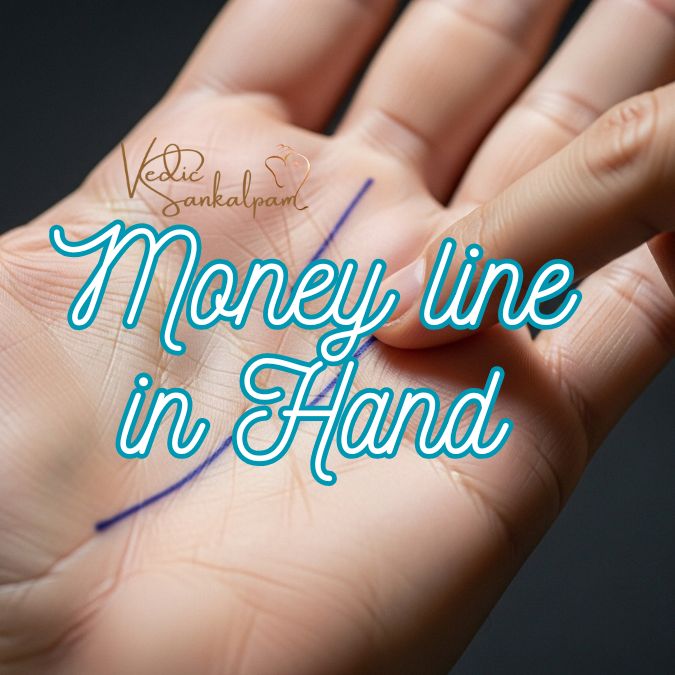
So where exactly is this elusive money line? In traditional palmistry, the money line isn’t actually a single, universally defined line. Instead, it refers to several possible markings that indicate financial fortune. The most commonly referenced money line is a short vertical or slightly diagonal line located between the pinky finger and the ring finger, typically underneath the ring finger in the area palmists call the “Mercury mount.”
Where to Find Your Money Line
Finding your money line requires examining your palm carefully under good lighting. Let’s break down exactly where to look.
Primary Location on the Palm
The classic money line appears as a short vertical line beneath your ring finger. To find it, extend your hand and look at the area between your ring and pinky fingers. You might see one or more small vertical lines in this zone. Some palm readers also consider lines that start from the base of your thumb and move toward your fingers as wealth indicators, particularly if they’re deep and clear.
Variations in Different Hands
Here’s something interesting: your dominant and non-dominant hands may show different lines. Traditional palmistry suggests that your non-dominant hand (left for right-handed people) shows your potential and inherited traits, while your dominant hand reveals what you’ve done with that potential. So if your money line appears stronger on your dominant hand, it might indicate you’re actively building wealth through your choices and actions.
Different Types of Money Lines
Not all money lines look the same, and their appearance can tell different stories about your financial journey.
Straight Money Lines
A straight, clear money line is considered the most favorable marking. It suggests steady financial growth, sound money management skills, and consistent income. People with straight money lines are often described as practical with finances and capable of building wealth gradually over time.
Curved Money Lines
When the money line curves, it might indicate a more flexible approach to finances. Some interpretations suggest curved lines represent people who earn money through creative or unconventional means. The curve might also indicate ups and downs in financial circumstances, but ultimately positive outcomes.
Broken or Fragmented Lines
Broken or interrupted money lines can feel concerning, but they don’t necessarily spell financial doom. These markings might represent temporary setbacks, career changes, or periods of financial challenge followed by recovery.
What Broken Lines Mean
Rather than viewing breaks as permanently negative, modern palm readers interpret them as transformation points. A break might coincide with a major life change—perhaps you left a stable job to start a business, faced an unexpected expense, or made a significant investment. The key is looking at whether the line continues after the break, which would suggest recovery and continued growth.
What Does Your Money Line Reveal?
Let’s get to the heart of what people really want to know: what can your money line actually tell you about your financial future?
Financial Success Indicators
According to palmistry traditions, certain characteristics suggest strong financial prospects. Multiple clear money lines are considered especially fortunate, suggesting multiple income streams or diverse financial opportunities. Deep, prominent lines indicate strong earning potential and the ability to accumulate significant wealth.
Wealth Accumulation Patterns
The depth and length of your money line might reveal how you accumulate wealth. A long money line could suggest sustained earning power throughout your life, while shorter lines might indicate concentrated periods of financial success or inheritance. Some palm readers believe that lines extending upward toward the fingers show ambition and upward mobility in wealth creation.
Career and Money Connection
Your money line doesn’t exist in isolation—it interacts with other lines on your palm. When combined with a strong fate line (the vertical line running up the center of your palm), it might suggest financial success through career achievements. If your money line connects with your head line, it could indicate that your intellectual abilities and smart decisions drive your financial success.
How to Read Your Money Line
Ready to examine your own palm? Here’s how to interpret what you see.
Length and Depth Significance
Length matters in palmistry. A longer money line generally indicates sustained financial stability over your lifetime. Depth is equally important—a deep, well-etched line suggests strong financial energy and potential for significant wealth accumulation. Think of it like a river: a deep, wide river carries more water than a shallow stream.
Clarity and Visibility
Can you see your money line clearly, or do you need to squint and search for it? Clear, visible lines are considered more powerful than faint ones. A barely visible money line might suggest that while financial success is possible, it requires more effort and conscious attention to manifest.
Faint vs. Deep Lines
Faint money lines don’t mean you’re destined for poverty! They might simply indicate that money isn’t your primary life focus or that your wealth comes through less obvious channels. Deep lines, conversely, suggest that financial success plays a significant role in your life path and that you have natural abilities for wealth creation.
Money Line vs. Other Prosperity Indicators
The money line is just one piece of the financial puzzle in palmistry. Let’s see how it relates to other prosperity signs.
The Fate Line Connection
Your fate line—that vertical line running up the middle of your palm—is another crucial indicator of life direction and success. When the fate line is strong and clear alongside prominent money lines, palmists interpret this as a powerful combination for career success and financial achievement. The fate line represents your life path, while the money line shows the financial fruits of that path.
Sun Line and Success
The sun line, located parallel to the fate line under the ring finger, represents fame, success, and recognition. When combined with money lines, it might suggest not just wealth but also public acknowledgment of your achievements. Think of successful entrepreneurs or entertainers who have both wealth and recognition—this combination of lines might reflect that dual success.
Scientific Perspective on Palm Reading
Now, let’s address the elephant in the room: what does science say about all this?
Modern Research
Modern science remains skeptical about palmistry’s predictive abilities. There’s no scientific evidence that hand lines can predict financial outcomes or any other specific life events. Dermatoglyphics—the scientific study of skin ridge patterns—has medical applications for identifying certain genetic conditions, but it doesn’t support palmistry’s broader claims about personality or destiny.
Cultural Beliefs vs. Evidence
Despite lacking scientific validation, palmistry persists across cultures for several reasons. It taps into our natural desire to understand our future and find patterns in uncertainty. Some argue that palm reading works through cold reading techniques and the Barnum effect—where vague statements seem personally meaningful. Others view it as a cultural tradition or self-reflection tool rather than a literal prediction method.
Common Misconceptions About Money Lines
Let’s clear up some myths about money lines that circulate widely.
Myth 1: No visible money line means you’ll be poor. Reality: Many successful, wealthy people have faint or no discernible money lines. Wealth creation depends on countless factors—education, opportunities, decisions, market conditions, and luck—not palm markings.
Myth 2: Money lines guarantee wealth without effort. Reality: Even traditional palmists emphasize that lines show potential, not guarantees. They require action, smart decisions, and hard work to manifest.
Myth 3: Money lines never change. Reality: Many palm readers claim lines can shift over time as your life circumstances change, though this remains unverified scientifically.
Myth 4: Everyone’s money line is in the same spot. Reality: Different palmistry traditions identify various lines as “money indicators,” leading to confusion about which line is the “real” money line.
Can Your Money Line Change Over Time?
This question fascinates both believers and skeptics. Traditional palmists often claim that palm lines can evolve as your life changes. Major life events, shifts in mindset, or significant decisions might manifest as changes in your palm lines over months or years.
From a physiological perspective, the basic patterns of major palm lines are formed before birth and remain relatively stable. However, minor lines can appear or fade based on hand usage, aging, and skin changes. Whether these changes have mystical significance or are simply physical variations remains a matter of personal belief.
The more interesting question might be: if you believe your lines can change, might that belief motivate positive financial behaviors that actually improve your circumstances? Sometimes the power of belief itself creates real-world results, regardless of supernatural explanations.
Enhancing Your Financial Fortune
Whether you believe in palmistry or not, let’s talk about practical steps to improve your financial situation.
Practical Steps Beyond Palm Reading
Instead of relying solely on palm lines, focus on actionable strategies: Create a budget and stick to it. Build an emergency fund with three to six months of expenses. Invest in your education and skills to increase earning potential. Diversify income sources. Make informed investment decisions. Network with successful people who can open doors to opportunities.
These concrete actions will impact your financial future far more reliably than any palm marking.
Mindset and Money Management
Your beliefs about money significantly influence your financial outcomes. Whether you call it a “money line mindset” or simply financial confidence, cultivating a positive relationship with money matters. Educate yourself about personal finance, challenge limiting beliefs about wealth, set clear financial goals, celebrate small wins, and learn from setbacks without becoming discouraged.
Think of palmistry as one possible tool for self-reflection rather than a definitive answer. If examining your money line motivates you to think more intentionally about finances, it serves a purpose regardless of its predictive accuracy.
Famous Personalities and Their Money Lines
While detailed palm analyses of celebrities aren’t readily available (famous people rarely publish their palm prints!), palmistry enthusiasts have long speculated about the hands of wealthy and successful individuals. Some claim that many successful entrepreneurs and businesspeople have prominent money lines, though these observations remain anecdotal and unverified.
What we do know is that successful people tend to share certain traits: persistence, strategic thinking, willingness to take calculated risks, and ability to learn from failure. Whether these qualities correlate with specific palm markings is an open question that science hasn’t answered.
How to Interpret Multiple Lines
What if you have several lines in the money line area? Traditional palmistry views this favorably, suggesting multiple income streams or diverse financial opportunities. Each line might represent a different source of wealth—perhaps your primary career, a side business, investments, or inheritance.
Multiple lines can also indicate complexity in your financial journey. You might experience money coming from unexpected sources or find success in multiple endeavors throughout your life. Rather than focusing on a single career or income path, you might be someone who thrives on diversity and multiple projects.
Conclusion
The money line in your hand remains one of palmistry’s most intriguing concepts. Whether you view it as an ancient mystical indicator or simply an interesting cultural tradition, exploring your palm lines can be a fun exercise in self-reflection. While science doesn’t support palmistry’s predictive claims, the practice continues to captivate people worldwide.
Remember that your financial future isn’t predetermined by the lines on your palm—it’s shaped by your decisions, actions, education, and opportunities. Use palmistry as inspiration if it motivates positive financial behaviors, but never substitute it for solid financial planning, education, and hard work.
Your hands might be remarkable tools for creating wealth—not because of the lines on them, but because of what you can build and achieve with them. So whether your money line is prominent or barely visible, your real power lies in the choices you make every single day.
FAQs
1. Can I have a money line on one hand but not the other?
Yes, it’s common for lines to appear differently on each hand. Palmists traditionally read the non-dominant hand as showing potential and the dominant hand as showing what you’ve actually developed through life choices. If your money line appears only on your non-dominant hand, it might suggest untapped financial potential.
2. Does having no money line mean I’ll never be wealthy?
Absolutely not. Many financially successful people have faint or no visible money lines. Your wealth is determined by countless factors including education, opportunities, decisions, effort, and circumstances—not palm markings. Palmistry shows potential paths, not guaranteed outcomes, and should never limit your financial ambitions.
3. How often should I check my money line to see if it changes?
If you’re interested in tracking changes, palm readers suggest checking every few months or after major life events. However, remember that major palm lines remain relatively stable throughout life. Any perceived changes might be due to lighting conditions, hand position, or natural skin variations rather than mystical transformations.
4. Are money lines more accurate for certain age groups?
Traditional palmistry doesn’t specify age-related accuracy differences. However, palm readers sometimes claim that lines become more defined and “settled” as you age and your life patterns become established. Young people might have less defined minor lines because their financial paths aren’t yet fully developed. Older individuals might show clearer patterns reflecting their actual financial journey.
5. Should I make financial decisions based on my money line?
No. Never make important financial decisions based solely on palm reading. Use proven financial planning strategies, consult with qualified financial advisors, research investment options thoroughly, and base decisions on facts, analysis, and your personal circumstances. Treat palmistry as entertainment or self-reflection, not as financial advice or a prediction tool.