loading

Category: Puja

  • Home
  • Category: Puja

Mula Nakshatra – Traits, Meaning, and Astrological Significance

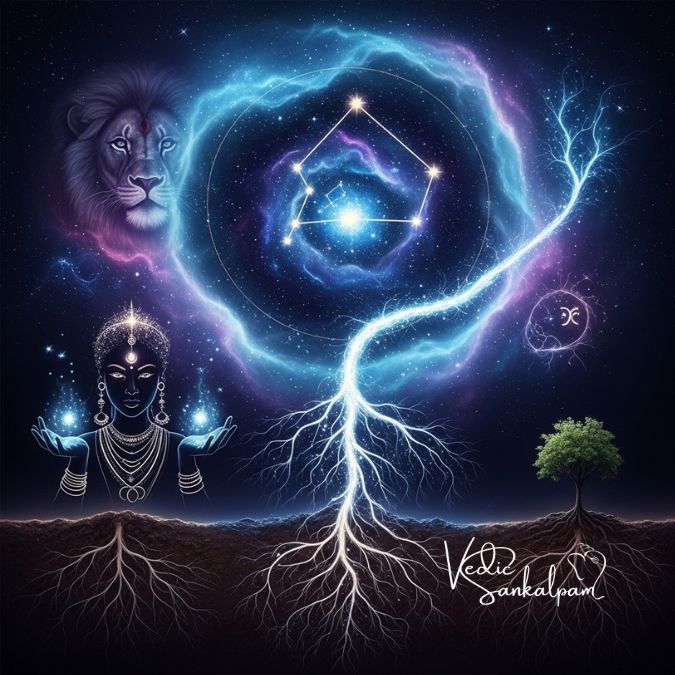
Mula Nakshatra, one of the most intense and mysterious stars in Vedic astrology, holds deep spiritual meaning and transformative energy. Falling under the Sagittarius zodiac sign (Dhanu Rashi) and ruled by Ketu, the planet of detachment and spirituality, Mula represents the root or foundation of existence. In Sanskrit, “Mula” literally means root, symbolizing the power to dig deep, uncover truths, and understand life from its very core.


Astrological Overview of Mula Nakshatra

Mula Nakshatra astrology
  • Zodiac Sign: Sagittarius (Dhanu Rashi)

  • Ruling Planet: Ketu (South Node of the Moon)

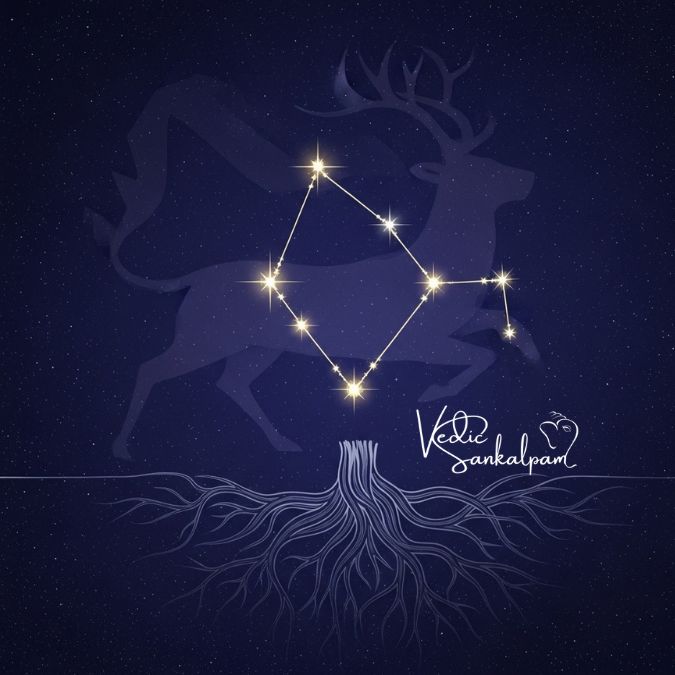
  • Symbol: A bunch of roots tied together

  • Deity: Nirriti – Goddess of destruction and dissolution

  • Ruling Element: Air

  • Nakshatra Number: 19th among 27 Nakshatras

  • Gender: Female

  • Gana: Rakshasa (Demonic)

  • Dosha: Vata

  • Lucky Letters: Ye, Yo, Bha, Bhi

  • Lucky Stone: Cat’s Eye (Lehsunia)

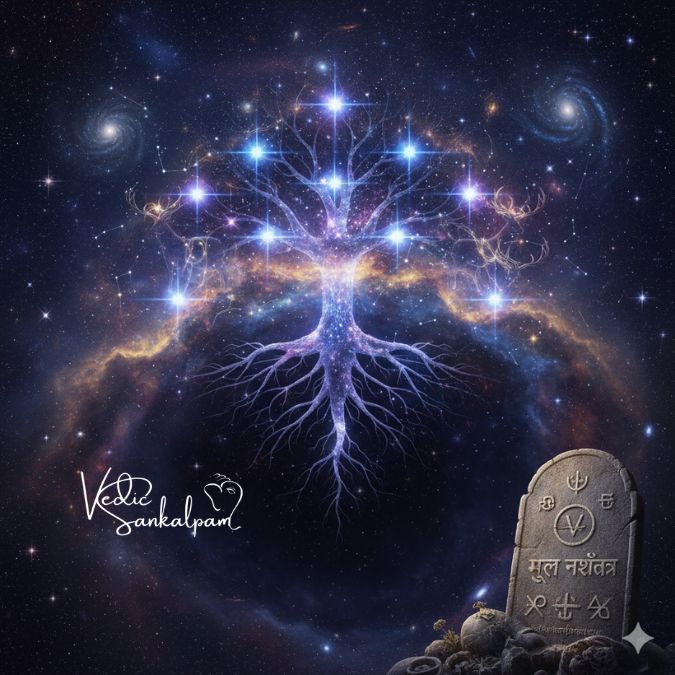
Mula Nakshatra is located in the galactic center, often associated with the cosmic void or the point of origin of the universe. This powerful position makes Mula natives deeply curious, philosophical, and often drawn toward uncovering hidden or spiritual truths.


Symbolism and Meaning of Mula Nakshatra

The symbol of Mula Nakshatra – a bunch of roots tied together – perfectly captures its essence. It signifies the search for the root cause, both in worldly and spiritual matters. Natives born under this star often display an intense drive to go beyond surface-level understanding.

The presiding deity, Nirriti, represents destruction and transformation. This influence gives Mula natives the courage to face chaos, endure life’s upheavals, and rise stronger. While Mula Nakshatra may seem unsettling, it ultimately leads to rebirth, purification, and wisdom.


Characteristics of Mula Nakshatra Natives

Characteristics of Mula Nakshatra

1. Personality Traits

Individuals born under Mula Nakshatra are inquisitive, fearless, and spiritually inclined. They have an innate desire to uncover life’s mysteries and are never satisfied with superficial answers. Their strong analytical abilities make them excellent researchers, philosophers, and spiritual seekers.

They tend to question norms, traditions, and established systems, which sometimes leads to misunderstandings. However, this questioning nature often helps them uncover profound truths that others overlook.

2. Positive Traits

  • Deeply spiritual and introspective

  • Courageous and determined

  • Strong sense of independence

  • Charismatic and philosophical

  • Skilled in research and analysis

  • Natural healers with intuitive power

3. Negative Traits

  • Can be overly skeptical or critical

  • Prone to emotional detachment

  • Experience sudden ups and downs in life

  • Might face early struggles or loss

  • Impulsiveness can lead to conflict

Mula natives are often tested early in life. Through these challenges, they develop resilience and a profound understanding of impermanence and spiritual truth.


Mula Nakshatra Pada (Quarters)

Mula Nakshatra
Mula Nakshatra

Each Nakshatra is divided into four padas or quarters. These determine the subtle variations in personality and destiny.

Pada 1 (00°00′ – 3°20′ Sagittarius)

Ruled by Mars, this pada gives courage and ambition. Individuals here are bold, confident, and goal-oriented. However, they must learn patience and emotional control.

Pada 2 (3°20′ – 6°40′ Sagittarius)

Ruled by Venus, this pada enhances charm, creativity, and emotional intelligence. Natives tend to have artistic talents and may enjoy luxury, relationships, and beauty.

Pada 3 (6°40′ – 10°00′ Sagittarius)

Ruled by Mercury, this quarter bestows intelligence, communication skills, and curiosity. Such natives excel in teaching, writing, and research fields.

Pada 4 (10°00′ – 13°20′ Sagittarius)

Ruled by Moon, this pada brings emotional depth, empathy, and spiritual insight. These individuals are compassionate and may engage in healing or humanitarian work.


Mula Nakshatra and Career Prospects

Mula natives often thrive in careers that involve investigation, discovery, and transformation. They are not afraid to confront complex subjects and can excel in fields like:

  • Research and Science

  • Psychology and Healing

  • Forensic Analysis

  • Philosophy and Theology

  • Astrology and Mysticism

  • Medical and Alternative Medicine

  • Law and Justice

  • Archeology and History

Their analytical mind and fearless spirit make them natural truth-seekers who can shine in professions that demand deep insight and courage.


Mula Nakshatra in Relationships and Marriage

Relationships for Mula natives can be intense. They seek depth and emotional honesty but may struggle with attachment due to Ketu’s influence. While they love deeply, they often value personal freedom and spiritual growth above worldly attachments.

In marriage, they need a partner who respects their individuality and understands their spiritual journey. With mutual understanding and patience, Mula Nakshatra natives can form strong, transformative relationships.

Compatibility: Best with Purva Ashadha, Uttara Ashadha, and Ashwini Nakshatra natives.


Health and Wellbeing

Because of the Vata influence, Mula natives might experience issues related to the nervous system, joints, and digestion. Stress and emotional turbulence can also affect their health. Practicing meditation, yoga, and grounding exercises can help maintain balance.

They should avoid overindulgence in negative thinking or detachment from reality, as it can lead to mental strain.


Spiritual Meaning of Mula Nakshatra

Spiritually, Mula Nakshatra represents the journey from destruction to enlightenment. It teaches the soul that to attain higher wisdom, one must first let go of illusions and false attachments. Ketu, as the ruling planet, guides Mula natives toward liberation (Moksha), urging them to embrace detachment and spiritual truth.

This Nakshatra is deeply connected with karma cleansing and spiritual awakening. It challenges individuals to accept loss as a means to transformation, helping them realize the eternal essence beyond material existence.


Remedies and Worship for Mula Nakshatra

To balance the intense energy of Mula Nakshatra, natives can perform certain remedies:

  • Worship Lord Ganesha or Goddess Nirriti on Thursdays or Saturdays.

  • Chant the Ketu mantra: “Om Ketave Namah”.

  • Perform Rudrabhishek or Ketu Shanti Puja for peace and protection.

  • Wear a Cat’s Eye gemstone (Lehsunia) after consulting a qualified astrologer.

  • Engage in charity, meditation, and spiritual practices regularly.

Performing these remedies can help Mula natives harness their powerful energy constructively and lead a balanced, purposeful life.


Conclusion

Mula Nakshatra is a symbol of transformation, truth-seeking, and spiritual evolution. Though life may bring turbulence and deep challenges, those born under this star possess the strength to overcome and rebuild from the roots. Their journey is not just about destruction but rebirth, enlightenment, and ultimate liberation.

By embracing introspection, detachment, and spiritual growth, Mula Nakshatra natives uncover the true essence of existence — the root of all creation itself.

Rudraksha Ratna: The Divine Power of Sacred Beads

Introduction

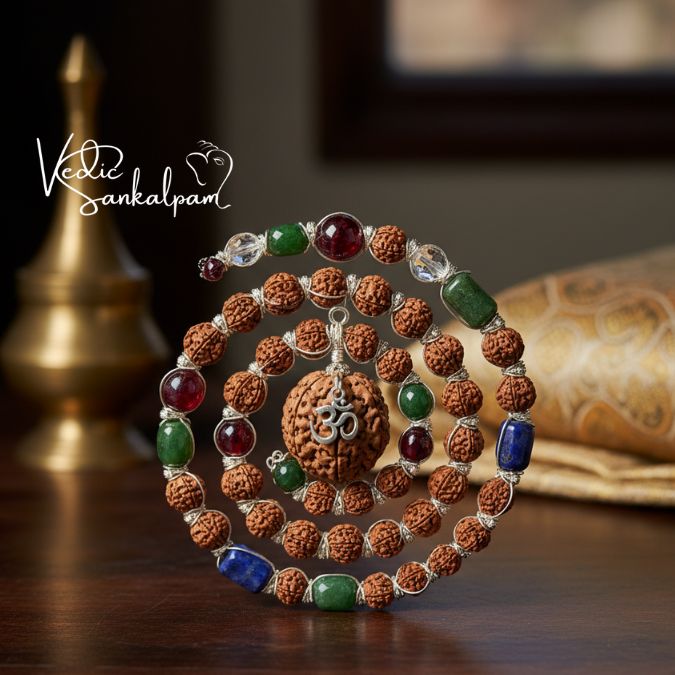
Have you ever heard of a bead so divine that it can change your life? That’s Rudraksha Ratna — a sacred combination of natural Rudraksha beads and precious gemstones, believed to channel cosmic energy for healing, balance, and enlightenment. Rooted in ancient Vedic wisdom, Rudraksha Ratna is not just an ornament; it’s a spiritual powerhouse that connects the wearer with universal consciousness.


Origin of Rudraksha

Mythological Background

According to Hindu scriptures, Lord Shiva’s tears gave birth to Rudraksha trees. The story goes that when Shiva opened his eyes after deep meditation, tears of compassion fell upon Earth, and from those tears grew the sacred Rudraksha tree — symbolizing divine energy, purity, and power.

Scientific Explanation

From a scientific point of view, Rudraksha seeds come from the Elaeocarpus ganitrus tree, found mainly in the Himalayas, Indonesia, and Nepal. Studies suggest Rudraksha beads carry electromagnetic properties that positively influence the human nervous system and bio-energy fields.


The Meaning of “Rudraksha”

Rudraksha Ratna
Rudraksha Ratna

The word “Rudraksha” comes from two Sanskrit words: “Rudra” (Lord Shiva) and “Aksha” (tear). Literally meaning “the tears of Shiva,” these beads are symbols of divine compassion and universal consciousness. When combined with gemstones, they form Rudraksha Ratna, enhancing their energy and spiritual potency.


Different Types of Rudraksha

Types of Rudraksha
Types of Rudraksha

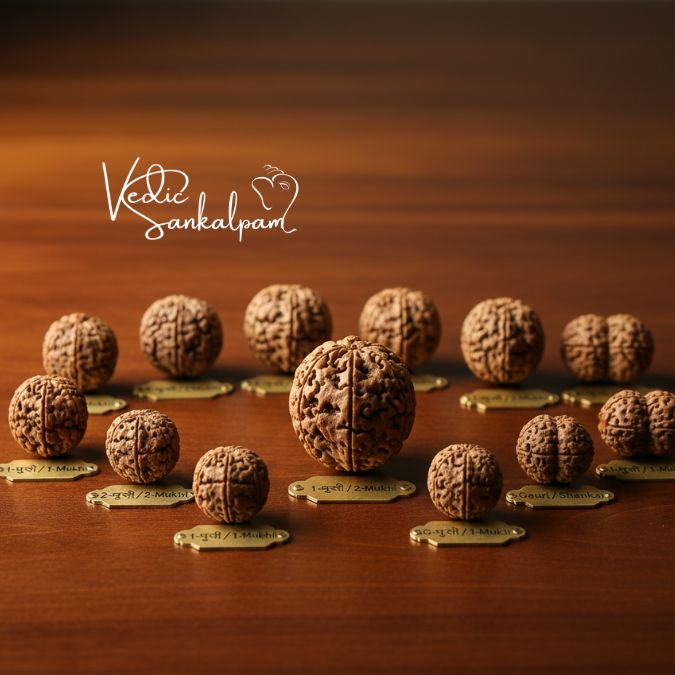
Rudraksha beads are classified based on the number of mukhis (faces or lines) they have. Each mukhi represents a different deity and has unique benefits.

Common Types

  • 1 Mukhi Rudraksha: Symbol of Lord Shiva — brings enlightenment.

  • 5 Mukhi Rudraksha: Most common, represents Kalagni Rudra — promotes peace and well-being.

  • 7 Mukhi Rudraksha: Associated with Goddess Lakshmi — attracts wealth and prosperity.

  • 14 Mukhi Rudraksha: Represents Hanuman — grants courage and confidence.

Each bead vibrates with distinct energy that aligns with specific chakras and planetary influences.


Rare and Special Rudrakshas

Gauri Shankar Rudraksha

Symbol of Lord Shiva and Goddess Parvati’s union — enhances love and harmony.

Ganesh Rudraksha

Distinguished by a trunk-like protrusion — removes obstacles and promotes success.

Trijuti Rudraksha

A rare natural formation of three beads — symbolizes the trinity of Brahma, Vishnu, and Shiva.


What Is Rudraksha Ratna?

Rudraksha Ratna is a powerful fusion of Rudraksha beads and astrological gemstones, designed to align your chakras and planetary energies. This combination is personalized according to one’s birth chart or energy pattern to maximize healing and transformation.


The Science Behind Rudraksha Ratna

Rudraksha beads have natural electromagnetic and inductive properties, while gemstones possess crystalline energy fields. When combined, they create a synergistic flow of vibrations that harmonize your body’s bio-energy.

This fusion balances your seven chakras, stabilizes emotions, and enhances mental clarity. It’s like tuning your inner frequency to the cosmic rhythm — allowing life to flow smoothly.


Benefits of Wearing Rudraksha Ratna

Benefits of Wearing Rudraksha Ratna

Physical Benefits

  • Improves heart health and blood circulation

  • Reduces stress and anxiety

  • Enhances energy and stamina

Mental and Emotional Benefits

  • Promotes calmness and focus

  • Clears emotional blockages

  • Encourages self-confidence and positivity

Spiritual Benefits

  • Strengthens connection with higher consciousness

  • Aids meditation and spiritual awakening

  • Protects from negative energies


Rudraksha Ratna Therapy (RRST)

Developed by Neeta Singhal, Rudraksha Ratna Science Therapy (RRST) is a holistic healing system that uses specific combinations of Rudraksha and gemstones to balance the chakras. RRST works by creating resonance with the body’s energy centers, restoring harmony and inner peace.


Choosing the Right Rudraksha Ratna

You can select Rudraksha Ratna based on:

  • Zodiac signs and planetary positions

  • Chakra imbalance or life goals

For instance:

  • Those seeking prosperity may wear 7 Mukhi Rudraksha with Yellow Sapphire.

  • For peace and focus, 5 Mukhi Rudraksha with Blue Sapphire is ideal.

Consulting an expert ensures the correct combination suited to your energy pattern.


How to Identify Genuine Rudraksha

Authentic Rudraksha should:

  • Sink in water (fake ones usually float)

  • Have natural deep clefts and a single seed inside

  • Come with a lab certificate of authenticity

Buy only from certified spiritual or gemology sources to avoid counterfeits.


How to Wear and Maintain Rudraksha Ratna

  • Purify it with Ganga water or cow’s milk.

  • Energize it by chanting “Om Namah Shivaya.”

  • Wear it on a Monday or auspicious day.

  • Avoid wearing it during sleep or bathing with hot water.

Proper care keeps the Rudraksha Ratna energized and effective.


Myths vs. Facts about Rudraksha

Myth Fact
Only saints can wear Rudraksha Anyone seeking peace and balance can wear it
Rudraksha brings bad luck if worn incorrectly Genuine Rudraksha never harms; improper wearing just reduces effect
It’s just a religious symbol It has proven electromagnetic and healing properties

Rudraksha in Modern Times

Today, Rudraksha Ratna is worn globally — not just by saints but by professionals, celebrities, and spiritual seekers. From India to the USA, it’s seen as a natural energy regulator, combining science, spirituality, and astrology in one sacred design.


Conclusion

Rudraksha Ratna is more than a mystical ornament — it’s a spiritual companion that aligns your mind, body, and soul with the universe’s frequency. By wearing it, you not only enhance your inner strength but also attract peace, prosperity, and divine protection. It’s a timeless gift of nature, carrying the blessings of Lord Shiva himself.


FAQs

1. Can anyone wear Rudraksha Ratna?
Yes, anyone seeking balance, healing, and positivity can wear it, regardless of religion or background.

2. How long does it take to show results?
Usually, within a few weeks of regular wear, noticeable emotional and energetic changes occur.

3. Can I wear multiple Rudrakshas together?
Yes, but combinations should be guided by an expert to ensure proper energy balance.

4. Are Rudraksha Ratnas suitable for children?
Yes, children can wear specific types for focus, confidence, and protection.

5. Can I wear it while sleeping or bathing?
It’s best to remove it during sleep and while bathing with hot water or chemicals.


Bava Karana in Astrology: Meaning, Significance, and Hidden Secrets

Bava Karana in Astrology: Meaning, Significance, and Hidden Secrets

Introduction to Bava Karana in Astrology

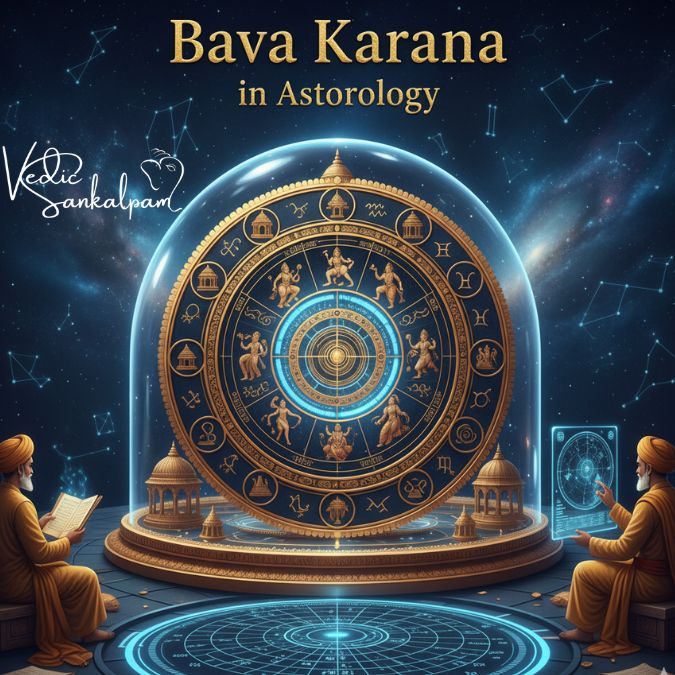
In Vedic astrology, every moment carries a unique energy that influences life events. One such subtle yet powerful factor is the Karana, and among them, Bava Karana stands out for its positive and vibrant influence. Understanding Bava Karana helps you tune into the cosmic rhythm of time and make wiser decisions in life.

Understanding the Concept of Karana

In astrology, Karana represents half of a Tithi (lunar day). A full Tithi is divided into two Karanas, and each Karana carries its own energy that affects human actions and thoughts.

There are 11 Karanas in total — 7 movable (Chara) and 4 fixed (Sthira). Each plays a crucial role in Panchang, the traditional Hindu calendar used for determining auspicious timings.

Classification of Karanas

The movable Karanas are:
Bava, Balava, Kaulava, Taitila, Gara, Vanija, and Vishti.

The fixed Karanas are:
Shakuni, Chatushpada, Naga, and Kimstughna.

Each Karana influences personality, emotions, and the success of endeavors undertaken during its period.

What is Bava Karana?

Bava Karana
Bava Karana

The word “Bava” comes from the Sanskrit root “bhava”, meaning “existence” or “being”. Thus, Bava Karana represents growth, creation, and new beginnings. It signifies a time filled with enthusiasm, emotional expression, and creative energy.

Characteristics of Bava Karana

People born during Bava Karana are often:

  • Cheerful and optimistic

  • Emotionally expressive

  • Spiritually inclined

  • Adaptive and outgoing

They tend to enjoy social interaction, build connections easily, and possess a natural curiosity about the world.

Astrological Significance of Bava Karana

In astrology, Bava Karana is considered auspicious. Activities like starting a new business, initiating education, or performing sacred rituals are favorable during this time.

The energy of Bava Karana promotes growth, peace, and positivity, making it ideal for endeavors that require emotional stability and inspiration.

Bava Karana and Personality Traits

Those influenced by Bava Karana often display:

  • Optimism: They see the bright side of situations.

  • Curiosity: They love exploring and learning.

  • Empathy: They understand others’ emotions deeply.

  • Communication skills: They are expressive and persuasive.

This combination makes them great leaders, teachers, and healers.

Effects of Bava Karana in Different Houses

  • In Lagna (Ascendant): Enhances confidence and attractiveness.

  • In the 5th House: Brings creativity and strong romantic tendencies.

  • In the 7th House: Encourages harmony in relationships.

  • In the 10th House: Boosts career growth and recognition.

Wherever Bava Karana appears in the chart, it brings emotional intelligence and positive movement.

Spiritual Meaning of Bava Karana

Spiritually, Bava Karana encourages introspection and divine connection. It teaches individuals to embrace emotions as a path toward spiritual growth. During Bava Karana, meditation, chanting, and helping others bring powerful karmic benefits.

Bava Karana and Relationships

People influenced by Bava Karana are affectionate partners and loyal friends. Their emotional warmth helps them maintain balance in love life. However, their sensitivity may sometimes make them overthink or feel hurt easily.

Remedies and Rituals for Bava Karana

To align with the positive energy of Bava Karana:

  • Chant “Om Namah Shivaya” or “Om Namo Narayanaya”

  • Meditate on water elements for calmness

  • Perform acts of kindness

  • Avoid anger or impulsive decisions

Bava Karana in Panchang

You can find Bava Karana listed in the daily Panchang under the “Karana” section. It usually occurs early in the lunar cycle and lasts around 6 hours.

Tasks started in this Karana often bring fruitful and lasting outcomes.

Positive and Negative Effects

Positive Effects:

  • Boosts creativity and productivity

  • Fosters understanding and emotional growth

  • Promotes success in partnerships

Negative Effects (if afflicted):

  • Emotional over-sensitivity

  • Over-dependence on others

  • Mood swings

Balancing through meditation and grounding helps neutralize the negatives.

Comparison: Bava Karana vs Other Karanas

  • Bava vs Balava: Both are auspicious, but Bava focuses more on emotions, while Balava enhances stability.

  • Bava vs Kaulava: Bava encourages beginnings; Kaulava suits completing tasks.

  • Bava vs Taitila: Taitila is more practical, while Bava is emotional and creative.

Understanding these distinctions helps in selecting the right Muhurta (timing) for different activities.

Conclusion

In astrology, Bava Karana symbolizes life, growth, and emotional depth. Its energy inspires creativity, empathy, and optimism. Whether seen in a birth chart or chosen as a Muhurta, Bava Karana offers an excellent time for starting new ventures or strengthening relationships.

When embraced consciously, it becomes a powerful ally in both spiritual and worldly success.


FAQs

1. What does Bava Karana mean in astrology?
Bava Karana signifies existence, growth, and emotional expression. It’s an auspicious period ideal for new beginnings.

2. Is Bava Karana good or bad?
Bava Karana is considered highly positive and supportive of prosperity and happiness.

3. How can one use Bava Karana for success?
Start new projects, perform rituals, or make important decisions during Bava Karana for favorable outcomes.

4. Which deity rules Bava Karana?
Lord Shiva is often associated with Bava Karana, symbolizing creation and transformation.

5. What to avoid during Bava Karana?
Avoid arguments, impulsive behavior, and emotionally charged decisions to maintain balance.

Soorasamharam 2025 Date and Time: Complete Guide to the Grand Skanda Festival

Introduction

Every year, Soorasamharam stands as a vibrant celebration of Lord Murugan’s victory over the demon Surapadman, symbolizing the ultimate triumph of good over evil. In 2025, this divine event will once again bring millions of devotees together in faith, devotion, and festivity.


What is Soorasamharam?

The Significance of Soorasamharam in Hindu Mythology

Soorasamharam marks the day when Lord Murugan, also known as Kartikeya or Subramanya, defeated the asura Surapadman. This victory is celebrated during the Skanda Sashti festival, which spans six days.

Connection to Lord Murugan and Surapadman

Murugan is worshipped as the God of War and Victory. Surapadman represents the ego and evil tendencies that reside within us. Soorasamharam, therefore, signifies the destruction of these inner evils through divine wisdom and courage.


Soorasamharam 2025 Date and Time

  • Soorasamharam 2025 Date: Thursday, October 27, 2025

  • Tithi Begins: 6:04 AM, October 27, 2025

  • Tithi Ends: 7:59 AM, October 28, 2025

Key Events of the Day

  • Early morning abhishekam and alankaram of Lord Murugan

  • Enactment of the Soorasamharam battle drama

  • Evening procession with Valli and Deivanai

  • Deepa lighting and devotional singing


Legend Behind Soorasamharam

Soorasamharam 2025
Soorasamharam 2025

The Story of Surapadman’s Defeat

According to Skanda Purana, Surapadman, a mighty demon, caused havoc across the universe. Lord Murugan, born to destroy evil, fought him for six long days and finally vanquished him on the seventh day — known as Soorasamharam.

Symbolism of Good Triumphing Over Evil

Surapadman’s defeat is not just mythological; it reflects the victory of spiritual wisdom over ignorance, and virtue over vice.


Connection Between Soorasamharam and Skanda Sashti

What is Skanda Sashti?

Skanda Sashti is a six-day fasting festival dedicated to Lord Murugan. Devotees observe strict vows, prayers, and abstinence during this period.

Why Soorasamharam Marks the Final Day

The sixth day of Skanda Sashti is Soorasamharam, marking the divine climax — the destruction of evil and the restoration of peace.


How Soorasamharam is Celebrated

Celebrations in Tamil Nadu

Temples across Tamil Nadu light up with devotional activities. The air is filled with Murugan bhajans, chants, and processions.

Grand Rituals in Tiruchendur Murugan Temple

The Tiruchendur Murugan Temple, located on the shores of Tamil Nadu, hosts the largest Soorasamharam celebration. Thousands witness the theatrical battle reenactment of Murugan slaying Surapadman.

Processions and Enactments of the Battle

Priests and devotees enact the epic war scene, symbolizing the destruction of ego, lust, and hatred.


Soorasamharam Rituals and Traditions

Fasting and Prayers

Devotees observe fasting and offer prayers to Lord Murugan for blessings, courage, and spiritual purity.

Chanting Murugan Mantras

Popular mantras like “Om Saravana Bhava” are chanted throughout the day.

Lighting Lamps and Offering Flowers

Homes and temples are decorated with lamps, lotus flowers, and kumkum, representing divine purity.


Spiritual Significance of Soorasamharam

Cleansing of Negative Energies

This festival is believed to purify one’s mind and soul, driving away negative energies.

Victory of Dharma Over Adharma

It reaffirms the eternal belief that truth and righteousness always prevail.


Major Temples Celebrating Soorasamharam

  • Tiruchendur Murugan Temple – The grandest celebration.

  • Palani Murugan Temple – Special abhishekam and pujas.

  • Thirupparankundram Temple – Ancient site of Murugan’s victory.

  • Swamimalai and Thiruthani Temples – Rituals with great devotion.


Soorasamharam 2025 Festival Schedule

  • Day 1: Skanda Sashti begins – Prayers and fasting start.

  • Day 2-5: Reading of Kanda Sashti Kavasam and special pujas.

  • Day 6: Soorasamharam – Final day of the battle.

  • Day 7: Tirukalyanam – Marriage of Lord Murugan and Deivanai.


Importance of Soorasamharam in Tamil Culture

Soorasamharam is not just a festival; it’s a cultural identity. It brings people together in unity, devotion, and pride in Tamil tradition.


How Devotees Observe Soorasamharam at Home

Simple Rituals for Home Worship

Devotees clean their homes, set up a Murugan altar, and offer flowers and fruits.

Offering Fruits and Prasadam

Special prasadam like panchamirtham and sweet pongal are offered with devotion.


Soorasamharam and Astrological Relevance

Planetary Alignment and Auspiciousness

The event coincides with the Shashti Tithi, which is considered powerful for spiritual activities.

Murugan’s Influence on Mars and Courage

Murugan governs planet Mars (Mangal), representing strength, valor, and discipline.


Soorasamharam 2025 Calendar Overview

  • Skanda Sashti Start: October 25, 2025

  • Soorasamharam: October 30, 2025

  • Thirukalyanam: October 31, 2025

  • Main Temple: Tiruchendur Murugan Temple

Live telecasts and online darshans will be available for devotees across the globe.


Conclusion

Soorasamharam 2025 is more than a festival — it’s a spiritual awakening. It teaches us that no matter how dark times get, light and truth always win. So, prepare to celebrate this divine victory with faith, devotion, and joy in your heart.


FAQs About Soorasamharam 2025

1. When is Soorasamharam in 2025?
Soorasamharam falls on October 30, 2025 (Thursday).

2. What is the meaning of Soorasamharam?
It means the destruction of the demon Surapadman by Lord Murugan.

3. Where is the biggest Soorasamharam celebration held?
At the Tiruchendur Murugan Temple in Tamil Nadu.

4. How many days is Skanda Sashti celebrated?
It’s celebrated for six days, ending with Soorasamharam.

5. What should devotees do on Soorasamharam?
They should fast, pray, chant mantras, and attend or watch the Soorasamharam reenactment.


Nahay Khay 2025 Date: Significance, Rituals, and Traditions of Chhath Puja’s First Day

Introduction

Chhath Puja, one of the most revered Hindu festivals, begins with Nahay Khay, a day filled with spiritual cleansing and devotion. It marks the first day of Chhath Puja 2025, a festival dedicated to Surya Dev (Sun God) and Chhathi Maiya, celebrated primarily in Bihar, Jharkhand, Eastern Uttar Pradesh, and parts of Nepal.

What is Nahay Khay?

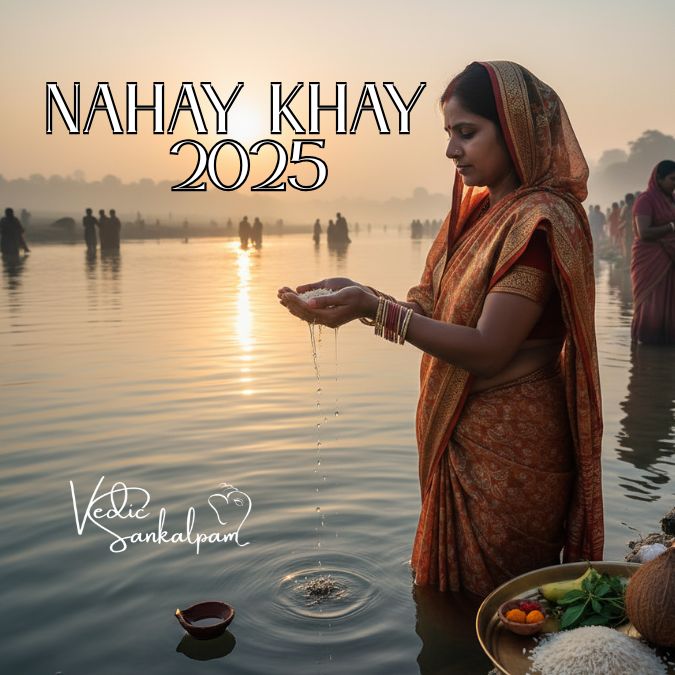
The term “Nahay Khay” literally translates to “Bath and Eat.” On this day, devotees purify their body and soul by taking a holy dip in sacred rivers or ponds and consuming only satvik (pure vegetarian) food prepared without onion or garlic. It symbolizes the beginning of a spiritual journey leading up to Chhath Puja, emphasizing purity, discipline, and devotion.

Nahay Khay 2025 Date and Time

In 2025, Nahay Khay will be observed on Wednesday, October 22, 2025. This auspicious day falls during the Shukla Paksha of Kartik month, according to the Hindu lunar calendar.

  • Nahay Khay Date: Wednesday, October 22, 2025

  • Sunrise Time: Around 6:06 AM

  • Sunset Time: Around 5:35 PM

This marks the official start of the four-day-long Chhath Puja 2025 celebrations.

Chhath Puja 2025 Overview

Nahay Khay 2025
Nahay Khay 2025

Chhath Puja is a four-day festival filled with devotion, fasting, and rituals:

  1. Nahay Khay – Purification and preparation.

  2. Lohanda and Kharna – Devotees observe a fast and prepare special prasad.

  3. Sandhya Arghya – Evening offerings to the setting sun.

  4. Usha Arghya – Morning offerings to the rising sun, concluding the festival.

Each day carries profound spiritual significance and connects devotees with the natural elements of sunlight, water, and earth.

Day 1: Nahay Khay Rituals

The first day sets the tone for the entire puja. Devotees begin by:

  • Bathing in holy rivers like Ganga, Kosi, or Yamuna.

  • Cleaning their homes thoroughly.

  • Preparing satvik food, often lauki-bhaat (bottle gourd with rice) cooked in pure ghee.

  • Offering prayers to Lord Surya and Chhathi Maiya for purification.

Only after performing these rituals do devotees consume their first meal, marking the beginning of their spiritual fast.

What Devotees Eat on Nahay Khay

The meal on Nahay Khay is simple yet divine. Devotees typically eat:

  • Lauki (bottle gourd) cooked with rock salt and ghee

  • Chana dal (split chickpeas)

  • Boiled rice (bhaat)

  • Tulsi water or pure river water

This pure meal represents simplicity, cleansing, and the removal of impurities from both the body and the mind.

Spiritual Significance of Nahay Khay

Nahay Khay symbolizes inner purification. The ritual of bathing and consuming satvik food reflects:

  • Cleansing of negative energies

  • Detachment from material desires

  • Beginning a path of discipline and devotion

It’s believed that by observing Nahay Khay sincerely, devotees invite divine blessings from Surya Dev and Chhathi Maiya.

Nahay Khay in Bihar and Uttar Pradesh

In Bihar, especially in Patna, Gaya, and Bhagalpur, Nahay Khay is celebrated with immense devotion. Riversides become vibrant with rituals, chants, and offerings. In Uttar Pradesh, cities like Varanasi and Ballia also witness grand preparations for the beginning of Chhath Puja. Families gather, cook traditional meals, and clean homes to welcome divine energy.

Preparation for the Following Days

After Nahay Khay, devotees begin preparing for Kharna, the second day of Chhath Puja. It involves:

  • Fasting for the entire day

  • Breaking the fast after sunset with gud-kheer (jaggery pudding) and fruits

  • Preparing offerings for the next day’s Sandhya Arghya

This gradual process strengthens mental discipline and devotion.

Rules and Observances

To maintain the sanctity of the ritual, devotees follow strict rules:

  • No onion, garlic, or non-vegetarian food

  • Maintain cleanliness in the kitchen and household

  • Wear freshly washed clothes

  • Avoid negative emotions and arguments

Such discipline helps devotees maintain spiritual balance and focus.

Symbolism of Water in Nahay Khay

Water symbolizes purity and renewal. Bathing in rivers during Nahay Khay is not just physical cleaning but also a metaphorical purification—washing away past sins and preparing oneself for divine connection. The flow of water represents the continuous journey of life and spiritual evolution.

Community and Togetherness

Nahay Khay isn’t just a personal ritual—it’s a community celebration. Families come together to cook, clean, and pray. Neighbors share food, stories, and blessings, strengthening the social fabric. It reflects India’s deep-rooted values of unity and devotion.

Environmental and Cultural Aspects

The rituals of Nahay Khay emphasize harmony with nature. Devotees ensure the rivers are kept clean, use eco-friendly materials for offerings, and avoid plastic waste. It’s a spiritual reminder of humanity’s responsibility towards preserving the environment.

Modern Observance of Nahay Khay

In cities, many people celebrate Nahay Khay even without access to rivers. They perform rituals using clean water at home and maintain the same devotion. Social media and online communities have also made it easier for urban devotees to stay connected with traditional practices.

Conclusion

Nahay Khay 2025 marks the beginning of one of India’s most spiritual festivals—Chhath Puja. It’s not merely a ritual; it’s a journey of purity, faith, and gratitude towards the divine forces of nature. Whether celebrated by the riverbank or at home, Nahay Khay reminds us of the importance of cleanliness, devotion, and discipline in life.


FAQs

1. When is Nahay Khay in 2025?
Nahay Khay will be celebrated on Wednesday, October 22, 2025, marking the start of Chhath Puja.

2. What food is prepared on Nahay Khay?
Devotees eat lauki-bhaat and chana dal, prepared with pure ghee and rock salt.

3. Why do people bathe in rivers on Nahay Khay?
Bathing in rivers symbolizes spiritual cleansing and the removal of impurities.

4. Is Nahay Khay only celebrated in Bihar?
No, it’s also widely celebrated in Uttar Pradesh, Jharkhand, and Nepal among devotees of Chhathi Maiya.

5. Can Nahay Khay be performed at home?
Yes, devotees living in cities often perform rituals at home using clean water and sincere devotion.


Chhath Puja 2025 four-day complete schedule and dates.

What is Chhath Puja?

Chhath Puja is one of the most ancient and revered Hindu festivals dedicated to Surya Dev (the Sun God) and Chhathi Maiya, symbolizing purity, devotion, and gratitude. Celebrated mainly in Bihar, Jharkhand, Uttar Pradesh, and Nepal, it is unique because of its rigorous rituals and fasting practices that honor the sun for sustaining life on Earth.

Historical Significance of Chhath Puja

This festival traces back thousands of years and finds mention in Vedic scriptures. Historically, Chhath was observed to thank Surya Dev for his blessings, prosperity, and well-being of families. Legends say that even Lord Ram and Sita observed Chhath Puja during their exile, marking its divine significance in Hindu mythology.

Importance of Chhath Puja in 2025

In 2025, Chhath Puja holds even more relevance as people seek spiritual solace and renewal post challenging years. The festival acts as a reminder of gratitude towards nature, family unity, and cultural preservation.


Chhath Puja Rituals

Chhath Puja 2025
Chhath Puja 2025

Nahay Khay: The First Day Ritual

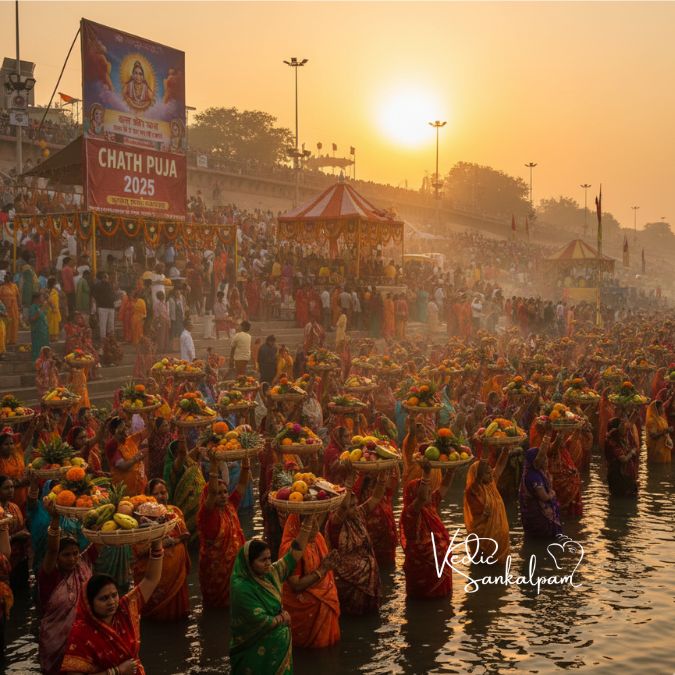
Nahay Khay marks the beginning of Chhath Puja. Devotees take a holy bath in rivers or ponds and clean their homes meticulously. The ritual emphasizes purity and preparation for the demanding days ahead. Only vegetarian meals are consumed, avoiding onions, garlic, and processed foods.

Lohanda and Kharna: Observances of Devotion

On the second day, devotees observe Kharna, a 24-hour fast, breaking it in the evening after preparing a sweet dish called kheer. This ritual symbolizes self-discipline, gratitude, and devotion, reinforcing the spiritual essence of the festival.

Sandhya Arghya: Evening Offerings to the Sun

Sandhya Arghya, performed on the third day, is a highlight of Chhath Puja. Devotees gather at riverbanks during sunset to offer prayers and water to Surya Dev. This ritual signifies the reverence of the setting sun, seeking blessings for prosperity, health, and family well-being.

Usha Arghya: Morning Worship and Significance

The fourth day, Usha Arghya, involves offering prayers during sunrise. It is a moment of spiritual awakening and hope, marking the culmination of fasting and devotion. People stand waist-deep in water, offering arghya to the rising sun, symbolizing renewal and energy.

Traditional Foods Prepared During Chhath

Chhath Puja is famous for its simple, natural, and sattvic foods. Items like thekua, fruits, rice, and milk-based sweets are prepared. These foods are offered to the Sun and shared among family and devotees after the puja, reflecting communal harmony and gratitude.


Preparations for Chhath Puja 2025

Cleaning and Decorating the House

Homes are cleaned thoroughly, and puja spaces are decorated with rangoli, flowers, and traditional items. Cleanliness is not just physical but also spiritual, ensuring positive energy for the ritual.

Arranging the Puja Thali

A Puja Thali is prepared with essential items like diyas, fruits, sugarcane, and holy water. Each element holds symbolic meaning, reinforcing devotion and mindfulness during offerings.

Gathering Ingredients for Offerings

Devotees ensure fresh and pure ingredients, sourced locally, to maintain the sanctity of the rituals. Ingredients like thekua, seasonal fruits, and raw sugar are carefully chosen to honor Surya Dev.

Community Preparations and Riverbank Arrangements

Communities come together to clean riversides and ghats, install temporary platforms, and ensure safety measures for devotees. This collective effort showcases the communal spirit and cultural pride associated with Chhath Puja.


Chhath Puja Celebrations Across India

Bihar: Heartland of Chhath

In Bihar, Chhath Puja is celebrated with great grandeur, especially in Patna and Gaya. Devotees gather in large numbers along the Ganga riverbanks, performing rituals with utmost devotion and strict adherence to tradition.

Uttar Pradesh and Jharkhand: Regional Variations

While the core rituals remain the same, regional variations add unique flavors to the festival. Local customs, attire, and dishes reflect the cultural diversity of Chhath Puja across states.

Chhath Puja in Nepal

Nepalese celebrate Chhath with equal fervor, particularly in the Terai region. The rituals blend Nepali and Indian traditions, emphasizing sun worship, family unity, and natural harmony.

Chhath Puja in Metro Cities: Modern Observances

In metro cities like Delhi, Mumbai, and Kolkata, Chhath Puja is celebrated by migrant communities. Urban observances include temporary ghats, social gatherings, and awareness campaigns to maintain eco-friendly practices during the festival.


Spiritual and Cultural Significance

Worship of Surya Dev (Sun God)

Surya Dev is considered the source of life and energy. By offering prayers and fasting, devotees seek health, prosperity, and protection from negative energies.

Importance of River Worship

Rivers are seen as sacred and life-giving, providing spiritual purification. Devotees immerse themselves in river waters to cleanse both body and soul, connecting deeply with nature.

Health and Wellness Benefits of Chhath Rituals

Beyond spirituality, Chhath rituals promote discipline, detoxification, and mental wellness. Fasting, standing in water, and consuming natural foods improve digestion, circulation, and overall vitality.


Chhath Puja 2025 Dates and Timings

Key Dates in 2025

  • Nahay Khay: October 28, 2025

  • Lohanda/Kharna: October 29, 2025

  • Sandhya Arghya: October 30, 2025

  • Usha Arghya: October 31, 2025

Astrological Importance

Chhath Puja aligns with the lunar calendar, specifically the Shukla Paksha of Kartik month. Astrologically, it is considered highly auspicious for starting new ventures, seeking blessings, and strengthening family bonds.


Conclusion

Chhath Puja 2025 is not just a festival—it is a celebration of faith, nature, and family values. Its rituals, though simple, carry deep spiritual meaning and life lessons. By honoring Surya Dev and Chhathi Maiya, devotees embrace gratitude, discipline, and communal harmony, making it one of the most cherished festivals in India and Nepal. Whether celebrated traditionally or in modern urban setups, Chhath Puja continues to unite people in devotion and reverence.


FAQs

What is the significance of fasting during Chhath Puja?

Fasting symbolizes self-discipline, purification, and devotion to Surya Dev. It is a way to spiritually cleanse and strengthen one’s body and mind.

Can anyone perform Chhath Puja at home?

Yes, Chhath Puja can be performed at home following proper rituals. However, riverbank celebrations are considered more traditional and auspicious.

How many days does Chhath Puja last?

Chhath Puja lasts four days, including Nahay Khay, Kharna, Sandhya Arghya, and Usha Arghya rituals.

What are the traditional foods offered during Chhath Puja?

Traditional foods include thekua, seasonal fruits, rice, kheer, and sugarcane, all prepared in a pure and sattvic manner.

Is Chhath Puja celebrated outside India?

Yes, Chhath Puja is celebrated in Nepal, as well as by Indian diaspora communities worldwide, maintaining traditional customs and rituals.

Dhanteras 2025: Significance, Puja Timings, Traditions & Best Buying Guide

What is Dhanteras?

Dhanteras marks the first day of the grand Diwali festival in India. It is the day dedicated to wealth, prosperity, and health, celebrating Lord Dhanvantari — the divine physician — and Goddess Lakshmi, the goddess of wealth. The word “Dhanteras” comes from Dhan (wealth) and Teras (the thirteenth day of Krishna Paksha).


Dhanteras 2025 Date and Shubh Muhurat

Dhanteras 2025
Dhanteras 2025

In 2025, Dhanteras will be celebrated on Sunday, October 19th.
It falls on the Trayodashi Tithi of Krishna Paksha in the month of Kartik.

Shubh Puja Muhurat for Dhanteras 2025

  • Dhanteras Puja Muhurat: 6:52 PM – 8:38 PM

  • Pradosh Kaal: 6:34 PM – 8:53 PM

  • Vrishabha Kaal: 6:52 PM – 8:48 PM

(Timings may vary depending on your location.)

Yama Deepam (Deep Daan for Protection)

Lighting a diya for Yama (the god of death) is an age-old tradition performed to protect the family from untimely death and suffering. It’s usually placed near the main entrance after sunset.


The Legends Behind Dhanteras

1. Lord Dhanvantari’s Emergence

According to Hindu mythology, during Samudra Manthan (churning of the ocean), Lord Dhanvantari appeared carrying a pot of Amrit (nectar of immortality) and Ayurvedic scriptures. This is why Dhanteras is also known as Dhanvantari Jayanti.

2. King Hima’s Story

Another legend narrates that King Hima’s son was destined to die by snakebite on his wedding night. His wife cleverly kept him awake with lights and gold ornaments, mesmerizing Yama (the god of death), who returned without harming him. Thus, the day became symbolic of life, light, and wealth.


Spiritual Significance of Dhanteras

Dhanteras isn’t just about shopping; it’s about inviting prosperity, good health, and positive energy. It marks the start of Diwali, where each day represents a deeper spiritual theme — from wealth to victory of light over darkness.

  • Goddess Lakshmi symbolizes abundance and purity.

  • Lord Dhanvantari represents health and well-being.

  • Lord Kubera stands for material prosperity.


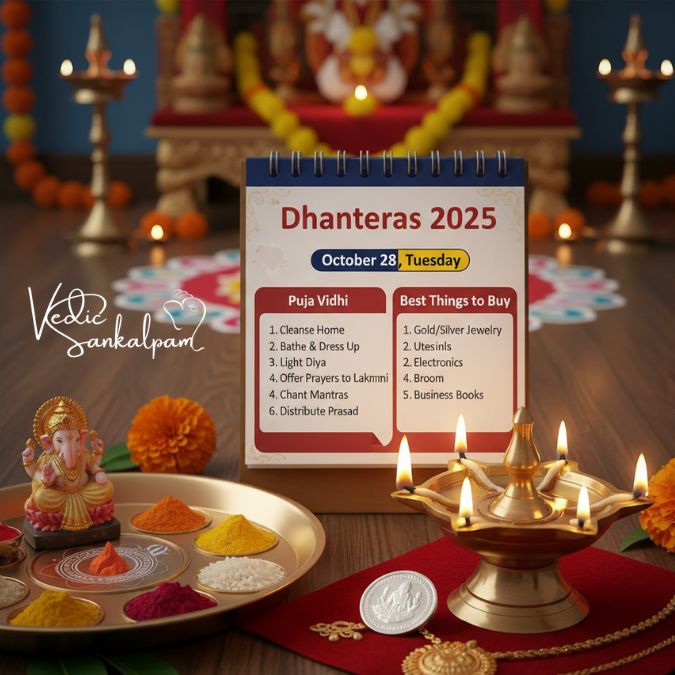
Dhanteras Puja Vidhi (Step-by-Step Rituals)

Before the Puja

  • Clean and decorate the house with rangoli and diyas.

  • Keep all metal items polished and ready for worship.

  • Place idols of Goddess Lakshmi, Lord Ganesha, and Dhanvantari on a clean altar.

During the Puja

  1. Light a ghee lamp and incense sticks.

  2. Offer flowers, sweets, and coins to the deities.

  3. Recite Lakshmi and Dhanvantari mantras.

  4. Perform Aarti and distribute prasad.

After the Puja

  • Keep one lit diya near the main door (Yama Deepam).

  • Place newly purchased gold, silver, or utensils on the altar for blessings.


What to Buy on Dhanteras 2025

Buy on Dhanteras 2025

Traditional Items

  • Gold or Silver Coins: Symbol of wealth and purity.

  • Utensils: Especially made of brass or steel for good fortune.

  • Diyas and idols: For auspicious beginnings.

Modern Purchases

People now buy electronics, vehicles, and home appliances on Dhanteras, symbolizing growth and progress.

Avoid Buying

  • Sharp objects or black-colored items.

  • Empty containers (believed to bring misfortune).


Home Decoration Ideas for Dhanteras

Brighten your home with rangoli patterns, flowers, and diyas.
Place torans (door hangings) at the entrance to invite positivity.
Use fragrance diffusers or essential oils to create a calming environment.


Foods and Sweets for Dhanteras

Popular Dishes

  • Kheer, Puris, Halwa, and Besan Laddoo are common festive dishes.

  • Panjeri and Dry Fruits are offered as prasad.

Making sweets at home adds a personal and pure touch to your celebration.


Dhanteras for Business Owners

Businessmen open new account books (Chopda Pujan) on this day.
It’s a time to express gratitude for profits and seek blessings for future success.
Investing in new ventures or tools is considered auspicious.


Eco-Friendly Dhanteras

Celebrate responsibly by:

  • Choosing earthen diyas over electric lights.

  • Buying local handicrafts instead of plastic items.

  • Reusing decorations and packaging.


Astrological Importance of Dhanteras 2025

Astrologers suggest that buying according to your zodiac sign enhances luck:

  • Aries: Gold or copper

  • Taurus: Silver

  • Leo: Electronics

  • Libra: Jewelry or art pieces


Dhanteras and the Digital Age

With digital transformation, people now buy gold online, invest through mutual funds, or use UPI wallets for auspicious purchases.
E-commerce platforms also offer Dhanteras deals, making it easier to celebrate smartly.


Dhanteras Across India

From North India’s Lakshmi Puja to South India’s Dhanvantari worship, traditions vary but the spirit remains the same — gratitude, wealth, and joy.


Tips to Maximize Prosperity

  • Keep your house clean and well-lit.

  • Chant “Om Shreem Mahalakshmyai Namah” 108 times.

  • Place coins in red cloth inside your wallet.


Conclusion

Dhanteras 2025 is more than a festival — it’s a celebration of hope, health, and abundance. Whether you buy gold, decorate your home, or simply light a diya, remember that true wealth lies in gratitude and good intentions.


FAQs

1. When is Dhanteras in 2025?
Dhanteras falls on October 19, 2025 (Sunday).

2. Why is Dhanteras celebrated?
It marks the appearance of Lord Dhanvantari and the beginning of Diwali celebrations.

3. What should I buy on Dhanteras?
Gold, silver, or metal utensils are considered auspicious.

4. Can we buy electronics on Dhanteras?
Yes, modern items like gadgets or vehicles are also popular purchases.

5. What does lighting a diya signify on Dhanteras?
It symbolizes light over darkness and protection from negative energies.

Karwa Chauth 2025: Date, Rituals, Significance, and Modern Celebrations

Introduction to Karwa Chauth 2025

Karwa Chauth is one of the most cherished festivals among married Hindu women in India. It symbolizes love, devotion, and the sacred bond of marriage. Every year, women observe a day-long fast from sunrise to moonrise for the well-being, longevity, and prosperity of their husbands.

When is Karwa Chauth in 2025?

In 2025, Karwa Chauth will be celebrated on on Friday, October 10, 2025. The puja muhurat (auspicious time) is from 5:57 PM to 7:11 PM IST. The fasting time is approximately 6:19 AM to 8:13 PM IST in New Delhi (local times may vary). Moonrise (Chandrodaya) is around 8:13 PM (again, location-dependent


Historical and Cultural Significance

Origin of Karwa Chauth

The festival dates back to ancient times when women prayed for the safety of their husbands who went to battle. The word “Karwa” means earthen pot, and “Chauth” means fourth day, as it falls on the fourth day of the Kartik month.

The Mythological Story Behind the Fast

One popular legend is about Queen Veeravati, whose devotion and fast revived her husband’s life. Other tales connect Karwa Chauth with Goddess Parvati and Lord Shiva, representing eternal love and faith.

Symbolism of the Rituals

Karwa Chauth is more than a fast—it’s a spiritual vow. Each ritual represents endurance, purity, and the essence of marital fidelity.


Rituals and Traditions

Pre-Dawn Ritual – Sargi

The day begins with Sargi, a meal prepared by the mother-in-law and eaten before sunrise. It includes fruits, dry fruits, sweets, and vermicelli kheer.

The Day-Long Fast

Women refrain from food and water throughout the day. The fast is broken only after sighting the moon and performing rituals.

Evening Puja and Moonrise Ritual

During the evening, women gather for the Karwa Chauth Puja. They listen to the Karwa Chauth Katha, pass the Karwa pot in a circle, and await moonrise to complete the ritual.

Karwa Chauth Thali Decoration

The puja thali is beautifully decorated with diyas, sweets, kumkum, and a sieve. Each item has symbolic importance in invoking blessings for a happy married life.

Importance of Karwa (Pot) in the Ceremony

The Karwa, or clay pot, signifies prosperity and is used to offer water to the moon during the ritual.


Modern-Day Celebrations

Karwa Chauth 2025
Karwa Chauth 2025

Karwa Chauth in Urban India

With evolving lifestyles, Karwa Chauth has transformed into a festival of love and togetherness. Even working women manage to fast and celebrate with family and friends.

Involvement of Husbands in Fasting

Modern couples often fast together, making the ritual more inclusive and emotionally supportive.

Virtual and Online Celebrations

With digital connection, many women join virtual pujas or video calls to celebrate with distant family members.

Bollywood’s Influence on Karwa Chauth

Movies like Kabhi Khushi Kabhie Gham, Dilwale Dulhania Le Jayenge, and Baghban have glamorized Karwa Chauth, influencing millions to embrace it with enthusiasm.


Regional Variations

Karwa Chauth in North India

It’s predominantly celebrated in Punjab, Haryana, Uttar Pradesh, and Rajasthan. Women dress in bridal attire and follow the age-old customs with devotion.

How South India Celebrates Similar Traditions

In southern states, festivals like Varalakshmi Vratham and Teej share similar themes of devotion and marital blessings.

Comparison with Other Fasting Festivals

Similar customs can be seen in Vat Savitri Vrat and Hartalika Teej, where women also pray for their husband’s long life.


Spiritual and Emotional Aspects

The Bond of Love and Trust

Karwa Chauth strengthens emotional connection and mutual trust between couples. It’s a symbolic renewal of marital vows and affection.

The Power of Prayer and Devotion

The fast is not just about abstaining from food but embracing discipline, patience, and spiritual commitment.


Modern Perspectives

Empowerment or Tradition?

Some view Karwa Chauth as a patriarchal custom, while others see it as a choice of empowerment—a celebration of love and faith chosen willingly by modern women.

The Changing Role of Women in the Ritual

Today’s women balance careers, family, and traditions beautifully, proving that devotion can coexist with independence.


Preparation Tips for Karwa Chauth 2025

Foods to Eat Before and After the Fast

Opt for hydrating foods like fruits, yogurt, and milk in the pre-dawn meal. After the fast, break it gently with water, fruits, and light food.

Skincare and Health Tips During the Fast

Stay indoors during the day, avoid exertion, and keep your skin hydrated with natural remedies like rosewater or aloe vera.

Gift Ideas for Karwa Chauth 2025

Popular gifts include jewelry, ethnic wear, spa hampers, personalized keepsakes, and digital gift cards.


Conclusion

Karwa Chauth 2025 is more than just a ritual—it’s an emotion that reflects devotion, unity, and enduring love. In a world that’s rapidly changing, this age-old tradition continues to thrive, blending the essence of spirituality with modern expression.


FAQs

1. When is Karwa Chauth 2025?
Karwa Chauth 2025 will be celebrated on Wednesday, October 8, 2025.

2. Can unmarried women observe Karwa Chauth?
Yes, unmarried women may fast for their future husbands or loved ones.

3. What are the best gifts for Karwa Chauth?
Jewelry, sarees, spa hampers, and customized gifts are popular choices.

4. How do modern couples celebrate it today?
Many couples fast together, exchange gifts, and celebrate virtually with family.

5. Is Karwa Chauth a religious or cultural festival?
It’s both—a Hindu religious festival deeply rooted in cultural tradition and love.

Vijayadashami 2025 – Significance, Celebrations, and Traditions

Vijayadashami 2025, also known as Dussehra, is one of the most celebrated Hindu festivals, symbolizing the victory of good over evil. It marks the triumph of Lord Rama over Ravana and the goddess Durga’s victory over Mahishasura. In 2025, Vijayadashami will be celebrated with grandeur across India and by Hindu communities worldwide, bringing together rich traditions, cultural rituals, and spiritual significance.


When is Vijayadashami 2025?

In 2025, Vijayadashami will be observed on Thursday, October 2, 2025. According to the Hindu calendar, the festival falls on the Dashami Tithi (10th day) of the Shukla Paksha in the month of Ashwin. This day comes immediately after the nine days of Navratri and is celebrated with great enthusiasm in different parts of India.


Historical and Mythological Importance of Vijayadashami

Victory of Lord Rama over Ravana

One of the most popular legends behind Vijayadashami is the Ramayana. On this day, Lord Rama killed Ravana, the ten-headed demon king of Lanka, to rescue Goddess Sita. This act symbolizes the triumph of righteousness (Dharma) over evil (Adharma).

Goddess Durga’s Triumph over Mahishasura

Another significant story is from the Devi Mahatmya, where Goddess Durga defeated the buffalo demon Mahishasura after a fierce nine-day battle. This victory signifies the power of the divine feminine and the destruction of negativity.

Cultural Symbolism

Vijayadashami represents not only religious stories but also moral lessons, teaching us that no matter how strong evil forces become, truth and goodness will always prevail.


How is Vijayadashami 2025 Celebrated in India?

Vijayadashami 2025
Vijayadashami 2025

The celebrations of Vijayadashami differ across regions, showcasing the diversity of Indian culture.

Ramlila and Ravana Dahan

In North India, especially in states like Uttar Pradesh, Delhi, and Haryana, Ramlila (the dramatic enactment of Ramayana) is performed throughout Navratri. On Vijayadashami, effigies of Ravana, Meghnath, and Kumbhkaran are burnt in grand ceremonies known as Ravana Dahan, symbolizing the destruction of evil.

Durga Visarjan in Bengal

In West Bengal, Assam, and Odisha, Vijayadashami marks the conclusion of Durga Puja. After days of worshipping Goddess Durga, her idol is immersed in rivers or seas in a ritual called Durga Visarjan, bidding farewell to the goddess with chants of “Asche bochor abar hobe” (She will return next year).

Mysore Dasara

In Karnataka, the festival is celebrated as Mysore Dasara, one of the most royal celebrations in India. The grand procession, led by decorated elephants and accompanied by music, dance, and cultural performances, is a highlight of the day.

Golu and Ayudha Puja in Tamil Nadu

In Tamil Nadu, families set up Golu (arrangements of dolls and figurines), and Vijayadashami is the day when children traditionally begin their formal education, known as Vidyarambham. It is also marked by Ayudha Puja, where people worship tools, vehicles, and instruments.

Shammi Puja in Maharashtra

In Maharashtra, people exchange apta tree leaves (considered as gold) as a token of goodwill, symbolizing prosperity and success. This is linked to the legend of the Pandavas, who hid their weapons during exile and retrieved them on Vijayadashami.


Rituals and Traditions of Vijayadashami 2025

  • Navratri Conclusion – Vijayadashami marks the end of the nine-day Navratri fasting and worship.

  • Astra Puja (Worship of Weapons) – In many parts of India, people worship weapons, tools, and machinery, honoring their importance in daily life.

  • Victory Parades – Symbolic parades and processions highlight cultural unity and historical traditions.

  • New Beginnings – Vijayadashami is considered an auspicious day to start new ventures, education, or business.


Spiritual Significance of Vijayadashami 2025

Vijayadashami is more than just a cultural festival; it holds deep spiritual meaning. It reminds us that:

  • Good always triumphs over evil, no matter how powerful darkness may appear.

  • Discipline and devotion can lead to victory in both spiritual and worldly life.

  • It is a day to remove negativity and ego while embracing truth, knowledge, and positivity.


Vijayadashami 2025: Auspicious Timings (Muhurats)

Hindus often perform rituals on this day during auspicious hours. According to the Panchang, the Dashami Tithi begins on October 1, 2025, at 4:52 PM and ends on October 2, 2025, at 6:11 PM.

  • Aparahna Puja Muhurat: 2:05 PM – 4:35 PM (October 2, 2025)

  • Ravana Dahan Muhurat: Evening after sunset (exact timings vary by location)

Performing rituals within these periods is considered highly auspicious.


Modern-Day Relevance of Vijayadashami

Even in the modern world, the message of Vijayadashami is highly relevant. It teaches us to:

  • Fight injustice and corruption in society.

  • Maintain moral values despite challenges.

  • Celebrate unity in diversity, as the festival brings together people of all communities.


Vijayadashami 2025 Wishes and Messages

People exchange greetings and blessings with loved ones on this day. Common wishes include:

  • “May the light of Vijayadashami bring positivity and success in your life.”

  • “On this auspicious day, may good always triumph in your life and evil be destroyed.”

  • “Wishing you and your family a prosperous and joyful Dussehra 2025.”


Conclusion

Vijayadashami 2025 is a festival of spiritual power, cultural richness, and moral values. It unites millions of people across India in celebration of truth, righteousness, and devotion. As we celebrate this occasion, let us embrace its timeless message – that no matter how dark the night may seem, the light of truth and goodness will always prevail.

Anant Chaturdashi: The Festival of Eternal Devotion and Farewell to Lord Ganesha

Introduction to Anant Chaturdashi

Anant Chaturdashi is one of the most significant Hindu festivals, celebrated with devotion and grandeur across India. It marks the farewell to Lord Ganesha after 10 days of Ganesh Chaturthi celebrations and is also dedicated to Lord Vishnu in his eternal form, symbolizing infinity and prosperity.


Meaning of Anant Chaturdashi

The word “Anant” means infinite or eternal, while “Chaturdashi” refers to the fourteenth day of the lunar fortnight. Together, Anant Chaturdashi represents the eternal connection between the divine and the devotees.

  • Spiritual Significance: It is believed that observing this day with faith removes obstacles, brings wealth, and blesses devotees with eternal peace.


Historical and Mythological Background

According to Hindu scriptures, Lord Vishnu appeared as Anant Padmanabha, the preserver of the universe, resting on the endless serpent Sheshanaga. The observance of Anant Chaturdashi is linked to the worship of this eternal form of Vishnu.

  • Story of Anant Sutra: As per mythology, Draupadi tied the sacred thread on her wrist, invoking Lord Vishnu for protection. Since then, tying the Anant Sutra has become a symbol of divine blessings.


Relation with Ganesh Chaturthi

Anant Chaturdashi is also the final day of Ganesh Chaturthi, a festival dedicated to Lord Ganesha. Devotees welcome Ganpati Bappa into their homes and pandals for 10 days with rituals, prayers, and celebrations.

On Anant Chaturdashi, idols of Lord Ganesha are taken for Visarjan (immersion), symbolizing his return to Mount Kailash while leaving behind his blessings.


Date and Timing of Anant Chaturdashi 2025

In 2025, Anant Chaturdashi will be observed on Saturday, September 6, 2025.

  • Muhurat (Auspicious Time): Morning to evening, with the most favorable period being during the Chaturdashi Tithi.

Different regions of India follow their own traditions, but the devotion remains the same everywhere.


Rituals of Anant Chaturdashi

Anant Chaturdashi 2025

The day is marked with both fasting and worship. Devotees of Lord Vishnu observe Anant Vrat, while Ganesh devotees prepare for Visarjan.

  • Fasting: Devotees take a vow of purity and self-control.

  • Anant Sutra: A sacred thread, usually made of cotton or silk, is tied on the right hand of men and the left hand of women. It is considered a shield of divine protection.

  • Offerings: Prayers, flowers, fruits, and sweets like panchamrit and kheer are offered to Lord Vishnu.


Ganesh Visarjan on Anant Chaturdashi

The most awaited ritual of the day is Ganesh Visarjan. Thousands of devotees join colorful processions with music, dance, and chants of “Ganpati Bappa Morya, Pudhchya Varshi Lavkar Ya” (Come back soon next year).

  • Meaning of Visarjan: It symbolizes the cycle of creation and dissolution in nature.

  • Eco-friendly Celebrations: Nowadays, many people use clay idols and artificial ponds to reduce pollution.


Cultural Importance Across India

The festival is celebrated differently across states:

  • Maharashtra: Known for grand processions and huge Ganesh pandals.

  • Gujarat: Focuses more on Vishnu worship.

  • Uttar Pradesh: Devotees tie the Anant Sutra and observe strict fasts.

  • Southern India: Special prayers are offered to Lord Ananta Padmanabha.


The Symbolism of Water Immersion

Immersing the idol in water has a deep meaning—it signifies the return of the divine to nature. Just like water evaporates and returns as rain, the blessings of Ganesha continue in the cycle of life.


Fasting and Food Traditions

On Anant Chaturdashi, fasting is common, but devotees also prepare special foods:

  • Prasad: Kheer, puri, and fruits.

  • Ganesh Chaturthi sweets: Modak, laddoos, and coconut-based delicacies are distributed among family and friends.


Anant Sutra: The Sacred Thread

The Anant Sutra is a symbolic red, yellow, or cotton thread with 14 knots. Each knot signifies a divine blessing and protection from negativity.

Men wear it on the right wrist, while women tie it on the left, symbolizing balance and protection.


Social and Community Celebrations

Public celebrations include Ganesh pandals, cultural performances, devotional songs, and street dances. It is a time of community bonding, where people from all walks of life come together.


Environmental Concerns During Visarjan

While the grandeur is unmatched, the immersion of idols has raised environmental issues like water pollution and harm to aquatic life.

To address this, eco-friendly practices are spreading:

  • Use of clay idols

  • Natural colors instead of chemical paints

  • Artificial immersion tanks


Modern-Day Relevance of Anant Chaturdashi

In today’s world, Anant Chaturdashi is not just about rituals—it’s about unity, sustainability, and devotion. It teaches us to embrace traditions while adapting them responsibly.


Conclusion

Anant Chaturdashi is more than a festival—it’s a celebration of faith, farewell, and eternal devotion. While devotees bid goodbye to Lord Ganesha with teary eyes and hopeful hearts, they also embrace Lord Vishnu’s infinite blessings. The day reminds us that life is a cycle, and with every ending comes a new beginning.


FAQs

Q1: Why is Anant Chaturdashi important?
Anant Chaturdashi marks the farewell of Lord Ganesha and is also dedicated to Lord Vishnu, symbolizing eternal blessings and protection.

Q2: What is the Anant Sutra?
The Anant Sutra is a sacred thread with 14 knots, tied by devotees as a symbol of divine protection and prosperity.

Q3: How is Ganesh Visarjan celebrated?
Devotees immerse Ganesha idols in rivers, lakes, or artificial ponds with music, dance, and chants of devotion.

Q4: What food is prepared on Anant Chaturdashi?
Fasting foods like fruits, kheer, puris, and prasads like modak and laddoo are popular.

Q5: When is Anant Chaturdashi in 2025?
It will be observed on Friday, September 6, 2025.