Have you ever wondered why certain words or sounds seem to resonate deep within your soul? Why does repeating a simple phrase bring peace to a restless mind? Welcome to the fascinating world of mantras—ancient tools that have been used for thousands of years to transform consciousness, heal the spirit, and connect us with something greater than ourselves.
What Are Mantras?
At their core, mantras are sacred sounds, words, or phrases that are repeated during meditation or prayer. Think of them as spiritual formulas—concentrated packets of energy wrapped in syllables. But they’re much more than just words you say out loud or in your head.
The Origins of Mantras
Mantras trace their roots back to ancient India, where they emerged from the Vedic traditions over 3,000 years ago. The sages and seers of that time discovered that specific sound vibrations could influence both the physical and spiritual realms. These weren’t random discoveries—they came from deep meditation and an intimate understanding of the universe’s energetic fabric.
The word “mantra” itself comes from two Sanskrit words: “man,” meaning mind, and “tra,” meaning tool or instrument. So essentially, a mantra is a tool for the mind. Pretty straightforward, right? But the simplicity of the definition doesn’t diminish its profound power.
The Science Behind Mantras
You might be thinking, “Okay, but does science back this up?” Surprisingly, yes! Modern neuroscience has shown that repetitive sound patterns can actually alter brain wave activity. When you chant a mantra, you’re essentially giving your brain a focal point, which helps reduce the mental chatter that normally dominates our thoughts.
Studies using brain imaging have revealed that mantra meditation activates areas associated with attention, emotional regulation, and even pain management. The rhythmic repetition creates a kind of neurological harmony that brings about measurable physiological changes—lower blood pressure, reduced stress hormones, and improved immune function.
Understanding the Deeper Meaning of Mantras
So what makes mantras different from just repeating any old word over and over? It all comes down to intention and vibration.
Vibration and Energy
Everything in the universe vibrates at different frequencies—from the chair you’re sitting on to the thoughts in your head. Ancient yogis understood this concept long before quantum physics came along. They believed that certain sound vibrations could align our personal energy with universal energy.
When you chant a mantra, you’re not just making noise. You’re creating specific vibrations that resonate through your body, mind, and the space around you. It’s like tuning a guitar—when the strings vibrate at the right frequency, you get beautiful music. When your energy vibrates at the right frequency, you experience harmony and peace.
Intention and Focus
But vibration alone isn’t enough. The real magic happens when you combine sound with intention. Your intention acts as the steering wheel, directing the energy of the mantra toward a specific purpose—whether that’s healing, wisdom, compassion, or spiritual awakening.
Have you ever noticed how the same song can affect you differently depending on your mood? That’s because your internal state influences how you receive and interpret vibrations. Similarly, approaching mantras with sincerity, respect, and clear intention amplifies their effectiveness exponentially.
Types of Mantras
Not all mantras are created equal. There are different categories, each serving unique purposes and coming from various spiritual traditions.
Vedic Mantras
These are the oldest mantras, originating from the Vedas—ancient Indian scriptures. They’re typically in Sanskrit and are often quite lengthy and complex. Vedic mantras were traditionally passed down from teacher to student in an unbroken lineage, ensuring their pronunciation and power remained intact.
Examples include the Gayatri Mantra and the Mahamrityunjaya Mantra, both of which carry deep spiritual significance and are believed to offer protection, enlightenment, and liberation.
Buddhist Mantras
Buddhism adopted the practice of mantra recitation and developed its own collection of sacred sounds. Buddhist mantras often focus on cultivating compassion, wisdom, and the awakening of Buddha-nature within all beings.
The most famous Buddhist mantra is probably “Om Mani Padme Hum,” which embodies the compassion of all Buddhas. Tibetan Buddhism especially emphasizes mantra practice as a core part of spiritual development.
Personal Affirmations
In modern times, the concept of mantras has expanded to include personal affirmations—positive statements that you repeat to reprogram your subconscious mind. While these aren’t traditional mantras in the spiritual sense, they operate on similar principles of repetition and focused intention.
Phrases like “I am worthy of love” or “I trust in the process of life” might not have the ancient lineage of Sanskrit mantras, but they can still be powerful tools for personal transformation.
Popular Mantras and Their Meanings
Let’s dive into some of the most well-known mantras and unpack what they actually mean.
Om (Aum)
If mantras had a king, Om would wear the crown. This single syllable is considered the primordial sound of the universe—the vibration from which all creation emerges. When you chant Om, you’re aligning yourself with the fundamental frequency of existence itself.
The sound is actually composed of three parts: “A-U-M,” representing the waking state, dream state, and deep sleep state of consciousness. The silence that follows represents the fourth state—pure consciousness or enlightenment.
Om Mani Padme Hum
This six-syllable Tibetan Buddhist mantra is all about compassion. While translations vary, it’s often interpreted as meaning something along the lines of honoring the jewel in the lotus of the heart. Each syllable purifies a different negative emotion: pride, jealousy, desire, ignorance, greed, and anger.
Tibetan Buddhists believe that reciting this mantra, even once, can bring tremendous benefit. Imagine it as a spiritual shower that cleanses your mind and heart of impurities.
Gayatri Mantra
This is one of the most revered Vedic mantras, traditionally chanted at sunrise and sunset. It’s a prayer to the sun god Savitr, asking for enlightenment and the removal of darkness from our minds.
Breaking Down the Gayatri Mantra
The mantra acknowledges the divine light that illuminates the three worlds (earth, atmosphere, and heaven) and asks that this light guide our intellect and understanding. It’s essentially saying, “May the divine light illuminate my mind and lead me toward truth.”
The beauty of the Gayatri Mantra lies not just in its meaning but in its rhythm and vibration. Many practitioners report feeling an immediate shift in consciousness when they chant it with devotion.
How Do Mantras Work?
You’ve probably gathered by now that mantras are more than just words. But what’s actually happening when you practice them?
The Role of Repetition
Repetition is key to mantra practice. When you repeat a mantra over and over, you’re essentially training your mind to focus. Think of it like building a muscle—the more you practice, the stronger your concentration becomes.
This repetitive practice also helps to bypass the critical, analytical mind and access deeper levels of consciousness. It’s like sneaking past a guard to enter a secret garden—the guard being your busy, chattering mind.
Neurological Benefits
From a neuroscience perspective, mantra repetition activates the brain’s default mode network, which is associated with self-referential thinking and mind-wandering. By giving the mind a single point of focus, mantras help quiet this network, leading to a state of calm awareness.
Research has also shown that mantra meditation increases grey matter in the brain, particularly in areas responsible for emotional regulation and self-awareness. Over time, regular practice can literally reshape your brain in positive ways.
Benefits of Chanting Mantras
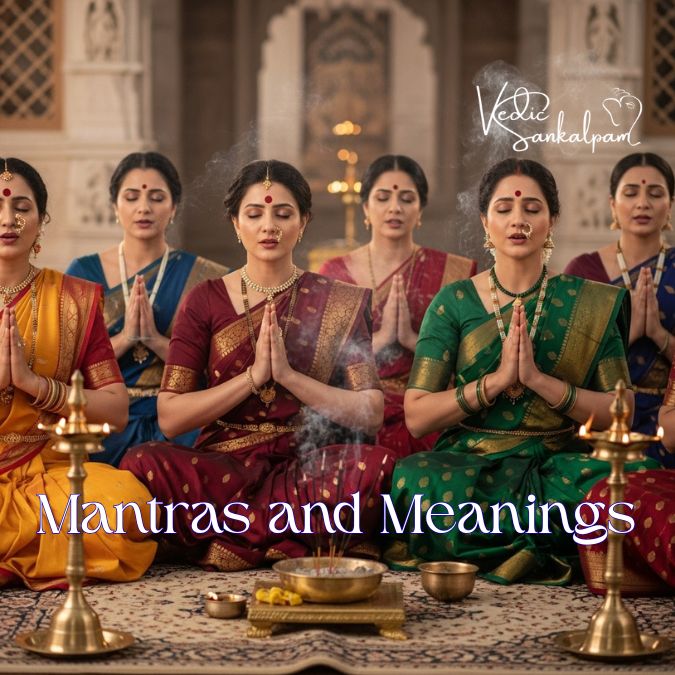
So what can you actually expect from incorporating mantras into your life? The benefits are both immediate and cumulative.
Mental Clarity and Focus
In our distraction-filled world, maintaining focus feels like trying to hold water in your hands—it just slips away. Mantras provide an anchor for your attention, helping you develop laser-like concentration.
Many practitioners report that after just a few weeks of regular mantra practice, they notice improvements in their ability to focus at work, remember information, and stay present in conversations.
Emotional Healing
Emotions can be overwhelming, can’t they? Like waves that threaten to pull you under. Mantras act as a life raft, giving you something stable to hold onto during emotional storms.
The vibrations of certain mantras are believed to release stored emotional trauma from the body’s energy centers. Whether you believe in chakras or not, there’s something undeniably therapeutic about the rhythmic repetition of sacred sounds when you’re feeling anxious, sad, or angry.
Spiritual Growth
Beyond the practical benefits, mantras are fundamentally spiritual tools. They’re designed to connect you with something greater than your individual self—whether you call that God, the Universe, Source, or simply your highest potential.
Regular mantra practice cultivates qualities like compassion, humility, devotion, and inner peace. It’s like watering a spiritual garden—with patience and consistency, beautiful things begin to bloom.
How to Practice Mantra Meditation
Ready to give it a try? Here’s how to get started with your own mantra practice.
Choosing Your Mantra
The first step is selecting a mantra that resonates with you. You might feel drawn to a traditional Sanskrit mantra, or you might prefer something in your native language. Some people receive mantras from spiritual teachers, while others choose their own.
Trust your intuition here. If a particular mantra gives you goosebumps or brings tears to your eyes, that’s a good sign it’s right for you. You can always change mantras later if your needs evolve.
Creating the Right Environment
While you can technically practice mantras anywhere, creating a dedicated space can enhance your experience. Find a quiet spot where you won’t be disturbed. Some people like to create a small altar with candles, incense, or meaningful objects.
The key is consistency. Try to practice at the same time and place each day. This trains your mind and body to enter a meditative state more easily over time.
Techniques for Chanting
There are several ways to practice mantras:
Vocal chanting: Speaking or singing the mantra out loud. This is the most powerful method for creating vibrations in the physical body.
Whisper chanting: Softly repeating the mantra in a whisper. This creates subtle vibrations and is useful when you want to practice quietly.
Mental repetition: Silently repeating the mantra in your mind. This is the most subtle form and is said to be the most powerful for spiritual advancement.
Many practitioners use mala beads (similar to a rosary) to count repetitions—traditionally 108 times. The tactile sensation of moving the beads helps maintain focus.
Common Misconceptions About Mantras
Let’s clear up some confusion about mantras.
First, you don’t need to be religious or follow a specific spiritual path to benefit from mantras. While many mantras have religious origins, the practice itself is non-denominational. You can honor the tradition while adapting it to your personal beliefs.
Second, you don’t need to understand Sanskrit or the exact meaning of every syllable for a mantra to work. The vibration itself carries power. That said, understanding the meaning can certainly deepen your connection and intention.
Third, mantras aren’t magic spells that instantly solve all your problems. They’re tools that work gradually through consistent practice. Think of them as spiritual exercise—you wouldn’t expect to get fit after one trip to the gym, right?
Integrating Mantras into Daily Life
The real transformation happens when you bring mantras off the meditation cushion and into everyday life.
You might repeat your mantra while stuck in traffic, waiting in line at the grocery store, or before an important meeting. Some people use mantras to help them fall asleep or to shift their energy when they notice themselves spiraling into negative thought patterns.
The beauty is that mantras are portable—you carry them with you wherever you go. No equipment necessary, no special clothing required. Just you and the sacred sound vibrating through your consciousness.
Conclusion
Mantras are much more than ancient words from faraway lands. They’re living tools that bridge the gap between our ordinary human experience and the extraordinary potential that lies within us. Whether you’re seeking mental clarity, emotional healing, or spiritual awakening, mantras offer a proven path forward.
The key is to approach them with an open heart, consistent practice, and patience. You might not experience instant enlightenment, but over time, you’ll likely notice subtle shifts—more peace, greater focus, deeper compassion, and a sense of connection to something meaningful.
So why not give it a try? Choose a mantra that speaks to you, set aside just five minutes a day, and see what unfolds. You might be surprised by the transformation that awaits in the simple repetition of sacred sound.
FAQs
1. How long should I chant a mantra for it to be effective?
Most traditions suggest a minimum of 108 repetitions (one mala) per session, which typically takes about 10-15 minutes. However, even 5 minutes of sincere practice can bring benefits. Consistency matters more than duration—daily practice of 10 minutes is more effective than occasional hour-long sessions.
2. Can I create my own mantra or should I stick to traditional ones?
Both approaches work! Traditional mantras carry the power of thousands of years of collective practice, but personal affirmations in your native language can also be powerful tools for transformation. If you’re drawn to traditional mantras, honor that. If creating your own feels more authentic, that’s equally valid.
3. Do I need to chant mantras out loud or can I repeat them silently?
All three methods—vocal, whisper, and mental repetition—are effective, just in different ways. Vocal chanting creates the strongest physical vibrations, while mental repetition is considered most powerful for advanced spiritual practice. Many practitioners use all three methods at different times.
4. What’s the difference between a mantra and an affirmation?
Traditional mantras are sacred sounds passed down through spiritual lineages, often in Sanskrit, and are believed to carry inherent spiritual power through their vibration. Affirmations are personal, positive statements in any language designed to reprogram thinking patterns. Both use repetition, but mantras typically have a spiritual dimension that affirmations may lack.
5. Can mantras help with anxiety and stress?
Absolutely! Scientific research has shown that mantra meditation effectively reduces anxiety, lowers stress hormones, and promotes relaxation. The rhythmic repetition gives your mind something to focus on besides anxious thoughts, while the vibrations help regulate your nervous system. Many people find mantras especially helpful during panic attacks or high-stress situations.