loading

Category: Vedic

  • Home
  • Category: Vedic

Shatabhisha Nakshatra – Meaning, Traits, Compatibility & Spiritual Significance

Introduction to Shatabhisha Nakshatra

Shatabhisha Nakshatra, also known as the “Hundred Healers,” is the 24th lunar constellation in Vedic Astrology. Positioned in the sign of Aquarius, this nakshatra is ruled by Rahu and blessed by Varuna, the cosmic god of rain, healing, and hidden truths. People born under this nakshatra are often mysterious, intellectual, and naturally inclined toward healing—be it physical, emotional, or spiritual.

If you’ve ever met someone deeply analytical yet spiritually curious, chances are they belong to Shatabhisha Nakshatra.


Mythological Background

The Ruling Deity Varuna

Varuna, the god of cosmic waters and universal law, governs Shatabhisha. He grants natives an innate understanding of hidden realms—mysticism, psychology, and spirituality. His influence also brings introspective abilities and a deep sense of accountability.

Symbolism of the “100 Physicians”

The name “Shatabhisha” literally translates to “hundred healers” or “hundred medicines.” This symbolizes the nakshatra’s association with healing, rejuvenation, and restoration. People Born under this star often develop an interest in medicine, research, therapy, alternative healing, or spiritual guidance.


Characteristics of Shatabhisha Nakshatra

Personality Traits

People of this nakshatra are:

  • Deep thinkers

  • Observant and detached

  • Emotionally complex

  • Highly intelligent

  • Mysterious and introverted

They prefer solitude, but when they interact, their words carry wisdom and clarity.

Strengths

  • Strong analytical mind

  • Excellent problem-solving

  • Spiritual depth

  • Ability to heal others

  • Visionary ideas

Weaknesses

  • Emotional detachment

  • Trust issues

  • Prone to loneliness

  • Overthinking

  • Sudden mood fluctuations


Male & Female Natives of Shatabhisha Nakshatra

Shatabhisha Nakshatra

Traits of Male Natives

Male natives are disciplined, hardworking, and intelligent. They are known for their independence and dislike restrictions. These men possess a sharp intellect and often succeed in research-based careers.

Traits of Female Natives

Females born under Shatabhisha are graceful, strong-willed, and insightful. They have a natural psychic intuition and often excel in creative or healing professions. These women value their privacy and are selective in relationships.


Career & Professional Life

Best Career Paths

Shatabhisha natives thrive in fields involving analysis, healing, and discovery:

  • Medical professions

  • Research & development

  • Psychology & counseling

  • Alternative medicine

  • IT, AI, and technology

  • Astrology & occult sciences

  • Marine-related careers

Workstyle & Strengths at Workplace

They work best independently and shine when given the freedom to innovate. Their ability to see beyond the obvious makes them valuable in complex tasks.


Love, Marriage & Relationship Compatibility

Compatible Nakshatras

Shatabhisha matches well with:

  • Swati

  • Shatabhisha (same nakshatra)

  • Ardra

These nakshatras resonate with similar intellectual and emotional frequencies.

Challenging Matches

  • Magha

  • Ashlesha

  • Purva Phalguni

Differences in emotional needs can make these matches more challenging.


Health & Wellness

Common Health Issues

Because of Rahu’s influence, natives may face:

  • Anxiety

  • Stomach-related issues

  • Sleep disorders

  • Nervous system problems

  • Sudden illnesses

Holistic Healing Tendencies

They respond well to:

  • Meditation

  • Yoga

  • Natural remedies

  • Energy healing

  • Water therapies


Spiritual Importance

Connection with Mystery & Healing

Shatabhisha natives naturally gravitate toward the occult, healing, and spiritual sciences. They possess a unique ability to sense energy and hidden truths.

Influence of Lord Varuna

Varuna brings purification, wisdom, and intuition. He helps the native overcome illusions and understand deeper life meanings.


Shatabhisha Nakshatra Padas

Pada 1 (Aquarius Navamsa)

Intellectual, introverted, spiritually curious.

Pada 2 (Pisces Navamsa)

Creative, emotional, intuitive, and compassionate.

Pada 3 (Aries Navamsa)

Bold, dynamic, leadership qualities, driven by ambition.

Pada 4 (Taurus Navamsa)

Practical, grounded, materialistic inclinations, strong focus on stability.


Positive & Negative Effects

When Well-Placed

  • Great wisdom

  • Successful career

  • Powerful intuition

  • Emotional and spiritual healing

When Afflicted

  • Confusion

  • Addiction tendencies

  • Isolation

  • Health issues


Remedies for Shatabhisha Nakshatra

Mantras

Chanting the following mantras helps calm Rahu’s energy:

  • “Om Ram Rahave Namah”

  • “Om Varunaya Namah”

Gemstones

  • Hessonite (Gomed) under proper guidance

  • Aquamarine for emotional balance

Rituals & Practices

  • Water donation

  • Meditation

  • Visiting temples of Varuna

  • Practicing emotional grounding


Famous Personalities Born in Shatabhisha

  • Many spiritual gurus

  • Technological innovators

  • Medical researchers
    (Actual names vary depending on chart accuracy.)


Conclusion

Shatabhisha Nakshatra is a powerful and mysterious star that blends intellect, healing, and deep spirituality. Natives possess a rare gift—an inquisitive mind paired with an intuitive heart. With the right guidance, they can become innovators, healers, and changemakers in society. Understanding their traits helps them embrace their true potential and live a balanced life.


FAQs

1. What is Shatabhisha Nakshatra known for?

It is known for healing, intelligence, and strong analytical abilities.

2. Which deity rules Shatabhisha Nakshatra?

Lord Varuna, the god of cosmic waters and truth.

3. What are common professions for Shatabhisha natives?

Medical, research, technology, psychology, and spiritual fields.

4. Which planet rules this nakshatra?

Rahu is the ruling planet.

5. What is the symbol of Shatabhisha?

A circle or hundred physicians representing healing energies.


What is Rashi? Understanding Zodiac Signs in Vedic Astrology

What is Rashi?

In Vedic astrology, Rashi refers to the zodiac sign occupied by the Moon at the time of your birth. It plays a central role in shaping your emotions, behavior, and mental tendencies. While Western astrology mainly focuses on the Sun sign, Rashi astrology (or Janma Rashi) emphasizes the Moon’s position, making it more reflective of your inner self.


The Concept of Rashi in Vedic Astrology

The word “Rashi” in Sanskrit means a cluster or collection, symbolizing a group of stars or constellations. Each Rashi corresponds to one of the twelve zodiac constellations, and the Moon stays in each Rashi for about 2.5 days. Hence, your Rashi reveals the lunar influence active at your birth.

In Vedic astrology, Rashi is used to:

  • Determine your character and emotional patterns

  • Create Kundli (birth charts)

  • Predict life events and compatibility


The 12 Rashis Explained

Rashi
Rashi

There are 12 Rashis, each ruled by a specific planet and associated with unique traits. These are:

  1. Mesh (Aries)

  2. Vrishabh (Taurus)

  3. Mithun (Gemini)

  4. Karka (Cancer)

  5. Simha (Leo)

  6. Kanya (Virgo)

  7. Tula (Libra)

  8. Vrischik (Scorpio)

  9. Dhanu (Sagittarius)

  10. Makar (Capricorn)

  11. Kumbh (Aquarius)

  12. Meen (Pisces)


Detailed Description of Each Rashi

1. Mesh Rashi (Aries)

Mesh Rashi (Aries)
Mesh Rashi (Aries)
  • Ruling Planet: Mars

  • Symbol: Ram

  • Element: Fire
    Traits: Bold, energetic, and adventurous. People born under this sign are natural leaders who love challenges.

2. Vrishabh Rashi (Taurus)

Vrishabh Rashi (Taurus)
  • Ruling Planet: Venus

  • Symbol: Bull

  • Element: Earth
    Traits: Reliable, patient, and practical. Taureans enjoy luxury and value stability.

3. Mithun Rashi (Gemini)

Mithun Rashi (Gemini)
  • Ruling Planet: Mercury

  • Symbol: Twins

  • Element: Air
    Traits: Smart, adaptable, and curious. Geminis are great communicators and thrive on variety.

4. Karka Rashi (Cancer)

Karka Rashi (Cancer)
  • Ruling Planet: Moon

  • Symbol: Crab

  • Element: Water
    Traits: Emotional, caring, and intuitive. Cancerians are deeply connected to home and family.

5. Singh Rashi (Leo)

Singh Rashi (Leo)
Singh Rashi (Leo)
  • Ruling Planet: Sun

  • Symbol: Lion

  • Element: Fire
    Traits: Confident, generous, and ambitious. Leos love being in the spotlight.

6. Kanya Rashi (Virgo)

Kanya Rashi (Virgo)
Kanya Rashi (Virgo)
  • Ruling Planet: Mercury

  • Symbol: Maiden

  • Element: Earth
    Traits: Analytical, perfectionist, and service-oriented. Virgos notice details others often miss.

7. Tula Rashi (Libra)

Tula Rashi (Libra)
Tula Rashi (Libra)
  • Ruling Planet: Venus

  • Symbol: Scales

  • Element: Air
    Traits: Diplomatic, fair-minded, and social. Librans seek balance and harmony in life.

8. Vrischik Rashi (Scorpio)

Vrischik Rashi (Scorpio)
  • Ruling Planet: Mars (Ketu in co-rulership)

  • Symbol: Scorpion

  • Element: Water
    Traits: Passionate, mysterious, and strong-willed. Scorpios feel emotions deeply and pursue transformation.

9. Dhanu Rashi (Sagittarius)

Dhanu Rashi (Sagittarius)
  • Ruling Planet: Jupiter

  • Symbol: Archer

  • Element: Fire
    Traits: Optimistic, adventurous, and philosophical. Sagittarians are seekers of truth and wisdom.

10. Makar Rashi (Capricorn)

Makar Rashi (Capricorn)
  • Ruling Planet: Saturn

  • Symbol: Goat

  • Element: Earth
    Traits: Disciplined, ambitious, and responsible. Capricorns are born leaders who believe in hard work.

11. Kumbh Rashi (Aquarius)

Kumbh Rashi (Aquarius)
  • Ruling Planet: Saturn

  • Symbol: Water Bearer

  • Element: Air
    Traits: Innovative, independent, and humanitarian. Aquarians think ahead of their time.

12. Meen Rashi (Pisces)

Meen Rashi (Pisces)
Meen Rashi (Pisces)
  • Ruling Planet: Jupiter

  • Symbol: Fish

  • Element: Water
    Traits: Imaginative, compassionate, and spiritual. Pisceans are dreamers with deep emotional sensitivity.


How to Find Your Rashi

By Date of Birth

You can determine your Rashi by checking the Moon’s position in your birth chart on your date of birth. Many online calculators can find your Rashi within seconds.

By Moon Sign Chart

Astrologers use Janma Kundli or Moon charts to calculate the exact Rashi and Nakshatra (constellation) based on your birth time, date, and location.


Rashi vs. Sun Sign: The Key Difference

  • Rashi (Moon Sign): Represents your emotional and inner world.

  • Sun Sign: Represents your personality and ego.
    In Vedic astrology, Rashi holds more importance, as it defines your mental tendencies and relationships.


Role of Rashi in Kundli (Birth Chart)

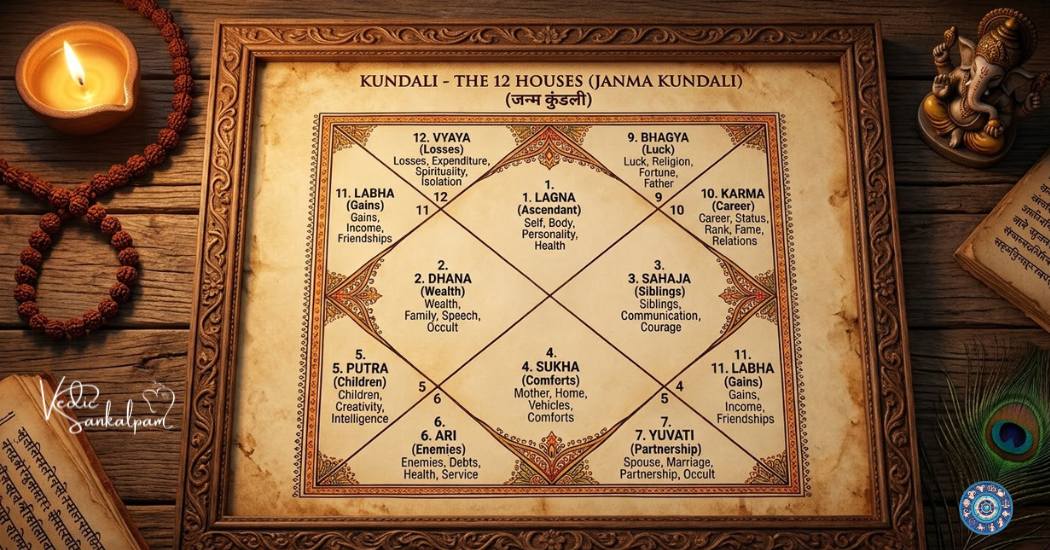
Each Rashi occupies a house (Bhava) in your birth chart, influencing aspects like:

  • Personality

  • Career

  • Marriage

  • Wealth

  • Health

Astrologers interpret planetary positions within Rashis to predict your life’s direction and events.


Rashi and Personality Traits

Your Rashi shapes how you express emotions and react to challenges. For instance:

  • Fire Rashis (Aries, Leo, Sagittarius): Passionate and bold

  • Earth Rashis (Taurus, Virgo, Capricorn): Practical and grounded

  • Air Rashis (Gemini, Libra, Aquarius): Intellectual and communicative

  • Water Rashis (Cancer, Scorpio, Pisces): Emotional and intuitive


Rashi Compatibility in Relationships

Rashi compatibility helps determine emotional harmony between partners. For example:

  • Taurus and Virgo make a stable match.

  • Leo and Sagittarius share fiery chemistry.

  • Cancer and Pisces connect deeply on an emotional level.


Rashi and Career Choices

Each Rashi has specific strengths that align with certain professions:

  • Aries: Military, sports, entrepreneurship

  • Virgo: Medicine, analytics, research

  • Aquarius: Technology, innovation, social work
    Astrology suggests choosing a career that aligns with your Rashi’s natural tendencies for success.


Rashi and Health Predictions

Your Rashi can highlight health tendencies:

  • Cancer: Sensitive digestive system

  • Leo: Heart and spine issues

  • Capricorn: Joint and bone problems
    Knowing your Rashi helps you stay proactive about wellness.


Rashi in Daily Horoscope

Daily horoscopes are based on the transit of the Moon across different Rashis. Since the Moon moves quickly, Rashi-based predictions change every 2–3 days, offering more accurate emotional forecasts.


Impact of Rashi on Life Events

From marriage to career milestones, your Rashi influences timing and outcomes through Dasha (planetary periods) and Gochar (transits). Understanding your Rashi helps you make better life decisions.


Mythological Background of Rashis

The 12 Rashis are symbolically linked to ancient Vedic deities and mythological stories, representing cosmic forces guiding human destiny.


Conclusion

Your Rashi is much more than a zodiac sign—it’s a reflection of your inner emotions, behavior, and life path. By understanding your Rashi, you can align your decisions with your natural strengths, improve relationships, and gain spiritual clarity. In Vedic astrology, knowing your Rashi is like holding a mirror to your soul—it reveals who you truly are inside.


FAQs

1. What is Rashi in simple terms?
Rashi is your Moon sign in Vedic astrology, showing where the Moon was located at the time of your birth.

2. How many Rashis are there?
There are 12 Rashis, from Mesh (Aries) to Meen (Pisces).

3. Is Rashi the same as a zodiac sign?
Rashi corresponds to zodiac signs but is based on the Moon’s position, not the Sun’s.

4. How can I find my Rashi?
You can find your Rashi by using your date, time, and place of birth through an online calculator or astrologer.

5. Which Rashi is the luckiest?
Every Rashi has its own strengths, but many astrologers consider Leo, Sagittarius, and Pisces as particularly auspicious when planets are favorable.


Unlucky Moles on Female Body – What They Reveal About Fate, Personality, and Destiny

Moles have fascinated humans for centuries. In many ancient traditions, including Indian astrology, Chinese face reading, and body moleology (Samudrika Shastra), moles are considered powerful indicators of destiny, character, and fortune. While some are believed to bring wealth and happiness, others are thought to carry signs of struggle or misfortune — especially when appearing on particular parts of the female body.

In this comprehensive guide, we uncover the meanings of unlucky moles on a woman’s body, their traditional interpretations, and how they are connected to life’s blessings or challenges.


Understanding the Significance of Moles in Astrology

Unlucky Moles on Female Body

In Samudrika Shastra, every mole carries energy related to the planets and elements. The color, position, and size of a mole reveal insights into a person’s karma and destiny. A dark mole (black or brown) is often linked with past life debts or obstacles, whereas light-colored moles may indicate success after challenges.

For females, specific mole placements can represent financial instability, relationship issues, emotional turbulence, or health problems. Let’s explore the most traditionally recognized unlucky mole positions and their meanings.


1. Mole on the Forehead (Center or Left Side)

A mole at the center of the forehead often suggests emotional restlessness and frequent challenges in personal or professional life. Women with this mole may have difficulty finding satisfaction or stability in relationships.

If the mole appears on the left side of the forehead, it is believed to symbolize financial losses, frequent quarrels, and a tendency to make impulsive decisions. However, a mole on the right side is considered lucky, signifying fame and leadership.


2. Mole Near the Left Eye

A mole near the left eye of a woman is considered inauspicious, representing emotional pain, betrayal, or unfulfilled love. Such women may face difficulties trusting others, and their relationships often involve emotional sacrifices. It also indicates hidden sorrows or tears that are not easily shared.

On the contrary, a mole near the right eye usually represents wealth and luxury, showing how placement direction can dramatically change its meaning.


3. Mole on the Left Cheek

A mole on the left cheek in women is traditionally linked to financial struggles or domestic disharmony. These women may find it difficult to balance family life and career. It may also suggest misunderstandings or criticism from society. Such a mole indicates the need for emotional resilience and patience in overcoming life’s obstacles.


4. Mole on the Nose Tip

A mole on the tip of the nose signifies impulsiveness and instability in decisions, often leading to regret. Women with this mole are believed to act based on emotions rather than logic. This can cause relationship troubles, career fluctuations, or missed opportunities. It’s an indicator that emotional balance and mindfulness are key to their success.


5. Mole Around the Lips or Mouth

A mole below or beside the lips can have both sensual and symbolic meanings. If located on the left side of the lips, it’s said to indicate tendencies toward gossip, misunderstandings, or unnecessary disputes. These women may face reputation issues or unwanted controversies.

If the mole is directly below the mouth, it might suggest domestic burdens or constant challenges in family life, sometimes pointing toward financial dependency or obstacles in achieving independence.


6. Mole on the Neck or Throat

A mole on the front of the neck is usually lucky, but one found on the left side or back signifies stress, health issues, or miscommunication. For females, this placement might cause emotional imbalance, delayed success, or trouble maintaining relationships. It’s a symbol of inner conflict between heart and mind.


7. Mole on the Left Shoulder

A mole on the left shoulder of a woman represents responsibility overload, hardship, or repeated struggles despite sincere effort. Such women may have to work harder than others to achieve recognition. This mole also hints at karmic challenges — lessons meant to teach patience and persistence.


8. Mole on the Left Arm

A mole on the left arm or upper arm indicates emotional sensitivity and vulnerability. Women with this mole often get hurt easily and may face unfaithful partners or unstable friendships. It may also show career stagnation or dependency on others for progress.


9. Mole on the Left Breast

According to ancient astrology, a mole on the left breast signifies emotional turbulence, insecurity, and jealousy. It may also denote unfulfilled desires or romantic disappointments. Such individuals often crave affection but may attract unstable relationships, leading to repeated emotional setbacks.


10. Mole on the Abdomen (Left Side)

A mole on the left side of the abdomen or near the navel suggests instability in wealth or digestive-related health concerns. It may also reflect material struggles or difficulty saving money. These women tend to experience ups and downs in financial life, requiring disciplined planning to maintain stability.


11. Mole on the Left Leg or Thigh

A mole on the left thigh or leg is seen as a sign of laziness, indecision, or missed opportunities. Such women may delay taking action, which can prevent them from realizing their full potential. Spiritually, it represents the burden of past karma that must be released through determination and discipline.


12. Mole on the Back or Spine

A mole on the lower back is considered inauspicious, often connected to family disputes, hidden enemies, or untrustworthy people. It warns of betrayal or backstabbing by those close. In some traditions, it’s also linked with past-life karmic repayment — challenges that strengthen the soul through hardship.


13. Mole on Private Areas

While considered a private and sensitive topic, ancient texts suggest that moles in intimate areas may symbolize hidden secrets, emotional complexities, or sexual energy imbalance. For females, such moles might indicate relationship controversies or misunderstandings in love, emphasizing the importance of emotional maturity.


Astrological Remedies for Unlucky Moles

In Vedic astrology, moles represent karmic symbols, not permanent curses. Remedies are available to balance their effects:

  1. Worship the ruling planet of the affected area (as determined by astrology).
  2. Chant mantras like “Om Namah Shivaya” or “Gayatri Mantra” for spiritual cleansing.
  3. Wear gemstones under astrological guidance to neutralize malefic planetary energies.
  4. Perform charity on Tuesdays and Saturdays to reduce karmic weight.
  5. Engage in meditation and positive affirmations to attract harmonious energy.

Conclusion

Moles are more than just beauty marks — they are celestial imprints of destiny. While certain placements on a woman’s body are seen as unlucky, their purpose is to reveal life lessons, spiritual growth, and paths of self-awareness. By understanding these signs, one can navigate life’s challenges with wisdom and positivity.

Remember, astrology serves as a guiding light, not a final verdict. Every woman holds the power to transform her destiny through awareness, strength, and inner balance.


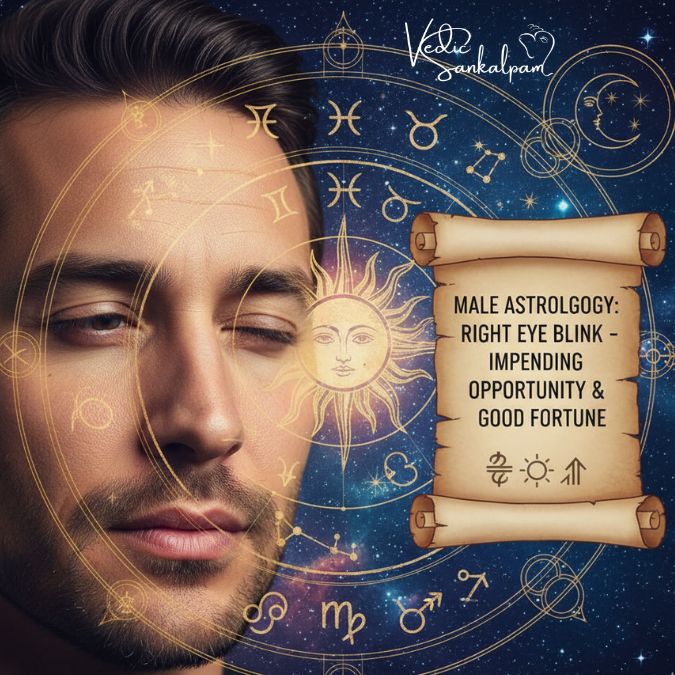
Right Eye Blinking for Male Astrology Meaning – A Detailed Spiritual Insight

In Vedic astrology, every small bodily movement carries deep cosmic significance. One such fascinating phenomenon is the blinking of the right eye for males. This seemingly simple act is often linked to astrological predictions, spiritual messages, and omens that can hint at upcoming events in one’s life. Across various cultures and ancient traditions, the twitching or blinking of the eye has been interpreted as a sign from the universe or divine forces.

Let us explore the astrological, cultural, and spiritual meaning of right eye blinking for males, along with its symbolism and predictive interpretations in different contexts.


Astrological Meaning of Right Eye Blinking for Males

Right Eye Blinking for Male Astrology

According to Vedic astrology, the right side of the body represents positive energy and auspiciousness for men. Therefore, when a man’s right eye blinks involuntarily, it is often regarded as a good omen. The event is believed to signify that positive changes, good news, or prosperity may be approaching soon.

In contrast, the left eye blinking for males is usually considered inauspicious, signaling caution or minor challenges ahead. The interpretation, however, depends on which part of the eye twitches, the time of the day, and the astrological position of the planets at that moment.


Spiritual Significance of Right Eye Blinking

Spiritually, eye blinking is not just a physical reflex but a cosmic signal. The right eye is often associated with the Sun (Surya) in astrology, symbolizing power, success, authority, and clarity. When your right eye twitches, it can mean that the Sun’s energy is interacting with your spiritual vibrations, possibly alerting you to a significant change in your destiny.

For men, this may suggest:

  • Career advancement or new opportunities at work.
  • Recognition or fame for efforts or achievements.
  • Financial growth or unexpected gains.
  • Good news from family or distant relatives.
  • Positive outcomes in personal or professional ventures.

Thus, the blinking of the right eye is often a spiritual wake-up call, encouraging one to stay optimistic and ready to receive blessings.


Scientific Perspective and Ancient Beliefs

While modern science attributes eye twitching to muscle strain, stress, caffeine intake, or fatigue, ancient cultures saw it as an energetic vibration from the soul. According to Ayurveda and astrology, the body and mind are deeply interconnected, and involuntary actions like eye blinking reflect changes in internal energy influenced by the planets.

In Hindu philosophy, the right eye of men is connected with Surya Nadi (solar energy channel), which governs action, willpower, and positivity. Therefore, the twitching of the right eye is said to activate masculine energy, often leading to auspicious outcomes.


Right Eye Blinking Meaning Based on Time of Day

The time of day plays an important role in determining the meaning of right eye blinking for males:

Morning Time

If the right eye blinks in the morning, it is a highly favorable sign. It can indicate that a long-awaited wish will soon be fulfilled or good fortune will enter your life.

Afternoon

In the afternoon, a blinking right eye often suggests financial benefits or growth in business. It may also signal positive interactions with influential people or superiors.

Evening

During evening hours, this may be a message from your guardian deities or ancestors, showing spiritual protection and blessings.

Night

If it occurs at night, it may symbolize unexpected news or travel opportunities. Sometimes, it also hints at a reunion or emotional connection from your past resurfacing.


Right Eye Blinking for Males in Different Cultures

Indian Beliefs

In Indian astrology, for males, right eye blinking is considered auspicious, while for females, it often signals challenges or delays. This belief has its roots in ancient scriptures where the Sun and Moon are symbolic of masculine and feminine energies respectively.

Chinese Culture

In Chinese superstition, the meaning changes based on which part of the eye blinks:

  • Upper eyelid twitching often predicts incoming wealth or good luck.
  • Lower eyelid twitching can mean someone is thinking about you or unexpected guests may arrive.

African and Middle Eastern Traditions

In several African and Middle Eastern traditions, the blinking of the right eye is interpreted as a sign of good news or prosperity, while the left eye may denote sorrow or trouble.


Astrological Remedies for Inauspicious Eye Blinking

Though right eye blinking is generally favorable for men, sometimes it may cause discomfort or occur frequently, leading to negative energy imbalance. Here are a few astrological remedies to harmonize this vibration:

  1. Chant the Surya Mantra – “Om Suryaya Namaha” daily at sunrise to invoke solar blessings.
  2. Offer water to the Sun – Every morning, pour water from a copper vessel facing the east.
  3. Wear gemstones like Ruby (Manikya) to strengthen Sun’s influence.
  4. Meditate or practice yoga to calm the nervous system and align energy channels.
  5. Maintain positive thoughts – since mental energy directly affects physical signs.

These remedies help maintain the balance of energy, ensuring that cosmic signals remain positive and beneficial.


Right Eye Blinking and Future Predictions

Astrologically, the right eye blinking for males can be a precursor to future events. When interpreted alongside planetary transits and horoscope charts, it can reveal subtle hints about:

  • Professional success or promotion
  • Arrival of financial gains or profits
  • Victory over obstacles or enemies
  • Invitations to auspicious occasions
  • Good health and mental clarity

However, interpretations should always be made considering the individual’s birth chart, planetary period (Dasha), and ongoing transits, as these influence the overall outcome.


Final Thoughts

In essence, right eye blinking for males in astrology is an auspicious sign symbolizing progress, good fortune, and divine protection. It serves as a cosmic reminder that the universe communicates through subtle bodily movements, guiding us toward our destined path. While science may explain it as a mere muscle twitch, astrology sees it as an energetic vibration carrying important spiritual messages.

So, next time your right eye blinks, pause for a moment — it could be the universe whispering a message of luck, success, or opportunity your way.


Birth Yogas: Unlocking the Hidden Patterns of Destiny

Introduction

Have you ever wondered why some people seem destined for success while others face endless challenges? In Vedic astrology, the answer often lies in Birth Yogas — special planetary combinations that shape your destiny, talents, and life experiences.

These Yogas are not mere coincidences; they are cosmic blueprints revealing the karmic design you’re born with. Understanding them can help you decode your strengths and overcome challenges with clarity.


What Are Birth Yogas?

Birth Yogas
Birth Yogas

In simple terms, Birth Yogas are specific combinations or alignments of planets in your natal chart that influence your life path. The Sanskrit word “Yoga” means union — in astrology, it refers to the union of planets that produce certain outcomes in one’s life.

Each Yoga holds unique energy. Some bring wealth and fame, while others bring lessons through struggle and transformation.


How Yogas Are Formed in a Birth Chart

A Yoga forms when certain planets occupy specific houses or aspects of each other. The strength, sign, and relationship between planets determine whether a Yoga becomes benefic (positive) or malefic (challenging).

For example:

  • When Jupiter and Moon are in conjunction or aspect each other, Gaj Kesari Yoga forms, bringing wisdom and prosperity.

  • When Moon is alone without any planetary influence, it creates Kemadruma Yoga, often linked with emotional instability or loneliness.


Types of Birth Yogas

Benefic Yogas

These Yogas bless the native with wealth, status, intelligence, and happiness.

Malefic Yogas

These create obstacles, financial troubles, or delays but often bring growth through hardship.

Mixed Yogas

They can produce fluctuating results depending on the Dasha (planetary period) and overall chart strength.


Auspicious Birth Yogas

1. Gaj Kesari Yoga

Formed by Jupiter and Moon, this Yoga brings fame, respect, and wisdom. The person is intelligent and often rises to high positions in life.

2. Budh-Aditya Yoga

Created when Sun and Mercury are together, it blesses the native with intellect, communication skills, and business acumen.

3. Raja Yoga

Occurs when the Lagna lord combines with a Kendra (1st, 4th, 7th, 10th) or Trikona (5th, 9th) lord. It signifies success, authority, and leadership.

4. Dhana Yoga

This wealth-giving Yoga arises when the 2nd, 5th, 9th, or 11th house lords are connected. It brings financial stability and abundance.

5. Lakshmi Yoga

Linked to fortune and prosperity, it happens when Venus and the lord of the 9th house are strong and well-placed.

6. Chandra-Mangal Yoga

Formed by Moon and Mars conjunction, it gives business acumen and the ability to generate wealth.


Inauspicious Birth Yogas

1. Kemadruma Yoga

Occurs when the Moon has no planets on either side. It can cause mental stress or emotional imbalance.

2. Daridra Yoga

Linked to poverty or loss of wealth, it happens when malefic planets influence the 2nd or 11th houses.

3. Grahan Yoga

When the Sun or Moon is eclipsed by Rahu or Ketu, it can create instability or confusion in life.

4. Shakata Yoga

Involves the Moon and Jupiter placed six or eight houses apart, often causing ups and downs in fortune.

5. Pitra Dosha

Caused by afflicted Sun, it indicates ancestral karma that needs resolution through spiritual remedies.


Rare and Powerful Yogas

1. Pancha Mahapurusha Yogas

These are five extraordinary Yogas formed by Mars, Mercury, Jupiter, Venus, or Saturn in their own or exalted sign in Kendra houses. They bring immense power, intelligence, and influence.

2. Neecha Bhanga Raja Yoga

When a debilitated planet gets canceled due to special placements, the native rises after struggles, achieving success and recognition.

3. Vipareeta Raja Yoga

This Yoga forms when the lords of the 6th, 8th, or 12th houses are placed in each other’s houses — turning difficulties into blessings.


Planetary Influence on Yogas

Benefic planets like Jupiter, Venus, and Mercury generally strengthen Yogas.
Malefic planets such as Saturn, Mars, Rahu, and Ketu can distort results but also bring hidden blessings when well-placed.


Lagna-Based Yogas

Every Ascendant (Lagna) responds differently to Yogas. For example:

  • Aries Lagna: Strong Mars enhances leadership Yogas.

  • Cancer Lagna: Moon-related Yogas define emotional strength.

  • Libra Lagna: Venus gives charm and luxury-oriented Yogas.


Yogas and Dasha Periods

A Yoga becomes active during the Dasha or Antardasha of its forming planet. Even a powerful Yoga might stay dormant until the right time, much like a seed waiting for rain to sprout.


Karma and Yogas

Your Yogas are direct reflections of your past karma. Benefic Yogas signify good deeds of past lives, while challenging ones indicate karmic debts meant for resolution.


Remedies for Malefic Yogas

  • Chant mantras like Maha Mrityunjaya or Gayatri.

  • Wear gemstones based on planetary strength (consult an astrologer first).

  • Donate to the poor and perform spiritual practices to reduce karmic burdens.


Birth Yogas in Modern Context

Even in today’s fast-paced world, Yogas remain relevant. They can guide you toward the right career, relationships, and self-development path — blending ancient wisdom with modern psychology.


Common Myths About Yogas

  • Not all malefic Yogas ruin life — many lead to spiritual growth.

  • A single Yoga can’t define your fate — the entire chart must be analyzed.

  • Remedies genuinely help when done with faith and intention.


Conclusion

Birth Yogas are divine blueprints, revealing not just your destiny but your soul’s purpose. By understanding and aligning with them, you can transform challenges into stepping stones and unlock your highest potential.


FAQs

1. Can a person have multiple Yogas in their chart?
Yes, most people have several Yogas — both benefic and malefic — influencing different life areas.

2. Do Yogas guarantee success?
Not always. The strength of planets and Dasha periods determine how fully a Yoga manifests.

3. Can malefic Yogas be neutralized?
Yes, through remedies, devotion, and positive karma, their effects can be lessened.

4. Are Yogas scientifically proven?
While astrology is not a science in the modern sense, it’s a time-tested metaphysical system observed for millennia.

5. Which Yoga is considered most powerful?
Raja Yogas and Pancha Mahapurusha Yogas are among the most powerful, often found in charts of influential leaders.


Rudraksha Ratna: The Divine Power of Sacred Beads

Introduction

Have you ever heard of a bead so divine that it can change your life? That’s Rudraksha Ratna — a sacred combination of natural Rudraksha beads and precious gemstones, believed to channel cosmic energy for healing, balance, and enlightenment. Rooted in ancient Vedic wisdom, Rudraksha Ratna is not just an ornament; it’s a spiritual powerhouse that connects the wearer with universal consciousness.


Origin of Rudraksha

Mythological Background

According to Hindu scriptures, Lord Shiva’s tears gave birth to Rudraksha trees. The story goes that when Shiva opened his eyes after deep meditation, tears of compassion fell upon Earth, and from those tears grew the sacred Rudraksha tree — symbolizing divine energy, purity, and power.

Scientific Explanation

From a scientific point of view, Rudraksha seeds come from the Elaeocarpus ganitrus tree, found mainly in the Himalayas, Indonesia, and Nepal. Studies suggest Rudraksha beads carry electromagnetic properties that positively influence the human nervous system and bio-energy fields.


The Meaning of “Rudraksha”

Rudraksha Ratna
Rudraksha Ratna

The word “Rudraksha” comes from two Sanskrit words: “Rudra” (Lord Shiva) and “Aksha” (tear). Literally meaning “the tears of Shiva,” these beads are symbols of divine compassion and universal consciousness. When combined with gemstones, they form Rudraksha Ratna, enhancing their energy and spiritual potency.


Different Types of Rudraksha

Types of Rudraksha
Types of Rudraksha

Rudraksha beads are classified based on the number of mukhis (faces or lines) they have. Each mukhi represents a different deity and has unique benefits.

Common Types

  • 1 Mukhi Rudraksha: Symbol of Lord Shiva — brings enlightenment.

  • 5 Mukhi Rudraksha: Most common, represents Kalagni Rudra — promotes peace and well-being.

  • 7 Mukhi Rudraksha: Associated with Goddess Lakshmi — attracts wealth and prosperity.

  • 14 Mukhi Rudraksha: Represents Hanuman — grants courage and confidence.

Each bead vibrates with distinct energy that aligns with specific chakras and planetary influences.


Rare and Special Rudrakshas

Gauri Shankar Rudraksha

Symbol of Lord Shiva and Goddess Parvati’s union — enhances love and harmony.

Ganesh Rudraksha

Distinguished by a trunk-like protrusion — removes obstacles and promotes success.

Trijuti Rudraksha

A rare natural formation of three beads — symbolizes the trinity of Brahma, Vishnu, and Shiva.


What Is Rudraksha Ratna?

Rudraksha Ratna is a powerful fusion of Rudraksha beads and astrological gemstones, designed to align your chakras and planetary energies. This combination is personalized according to one’s birth chart or energy pattern to maximize healing and transformation.


The Science Behind Rudraksha Ratna

Rudraksha beads have natural electromagnetic and inductive properties, while gemstones possess crystalline energy fields. When combined, they create a synergistic flow of vibrations that harmonize your body’s bio-energy.

This fusion balances your seven chakras, stabilizes emotions, and enhances mental clarity. It’s like tuning your inner frequency to the cosmic rhythm — allowing life to flow smoothly.


Benefits of Wearing Rudraksha Ratna

Benefits of Wearing Rudraksha Ratna

Physical Benefits

  • Improves heart health and blood circulation

  • Reduces stress and anxiety

  • Enhances energy and stamina

Mental and Emotional Benefits

  • Promotes calmness and focus

  • Clears emotional blockages

  • Encourages self-confidence and positivity

Spiritual Benefits

  • Strengthens connection with higher consciousness

  • Aids meditation and spiritual awakening

  • Protects from negative energies


Rudraksha Ratna Therapy (RRST)

Developed by Neeta Singhal, Rudraksha Ratna Science Therapy (RRST) is a holistic healing system that uses specific combinations of Rudraksha and gemstones to balance the chakras. RRST works by creating resonance with the body’s energy centers, restoring harmony and inner peace.


Choosing the Right Rudraksha Ratna

You can select Rudraksha Ratna based on:

  • Zodiac signs and planetary positions

  • Chakra imbalance or life goals

For instance:

  • Those seeking prosperity may wear 7 Mukhi Rudraksha with Yellow Sapphire.

  • For peace and focus, 5 Mukhi Rudraksha with Blue Sapphire is ideal.

Consulting an expert ensures the correct combination suited to your energy pattern.


How to Identify Genuine Rudraksha

Authentic Rudraksha should:

  • Sink in water (fake ones usually float)

  • Have natural deep clefts and a single seed inside

  • Come with a lab certificate of authenticity

Buy only from certified spiritual or gemology sources to avoid counterfeits.


How to Wear and Maintain Rudraksha Ratna

  • Purify it with Ganga water or cow’s milk.

  • Energize it by chanting “Om Namah Shivaya.”

  • Wear it on a Monday or auspicious day.

  • Avoid wearing it during sleep or bathing with hot water.

Proper care keeps the Rudraksha Ratna energized and effective.


Myths vs. Facts about Rudraksha

Myth Fact
Only saints can wear Rudraksha Anyone seeking peace and balance can wear it
Rudraksha brings bad luck if worn incorrectly Genuine Rudraksha never harms; improper wearing just reduces effect
It’s just a religious symbol It has proven electromagnetic and healing properties

Rudraksha in Modern Times

Today, Rudraksha Ratna is worn globally — not just by saints but by professionals, celebrities, and spiritual seekers. From India to the USA, it’s seen as a natural energy regulator, combining science, spirituality, and astrology in one sacred design.


Conclusion

Rudraksha Ratna is more than a mystical ornament — it’s a spiritual companion that aligns your mind, body, and soul with the universe’s frequency. By wearing it, you not only enhance your inner strength but also attract peace, prosperity, and divine protection. It’s a timeless gift of nature, carrying the blessings of Lord Shiva himself.


FAQs

1. Can anyone wear Rudraksha Ratna?
Yes, anyone seeking balance, healing, and positivity can wear it, regardless of religion or background.

2. How long does it take to show results?
Usually, within a few weeks of regular wear, noticeable emotional and energetic changes occur.

3. Can I wear multiple Rudrakshas together?
Yes, but combinations should be guided by an expert to ensure proper energy balance.

4. Are Rudraksha Ratnas suitable for children?
Yes, children can wear specific types for focus, confidence, and protection.

5. Can I wear it while sleeping or bathing?
It’s best to remove it during sleep and while bathing with hot water or chemicals.


Vedic Gyan: The Eternal Wisdom of Ancient India

Vedic Gyan: The Eternal Wisdom of Ancient India

Introduction to Vedic Gyan

The term Vedic Gyan translates to Vedic Knowledge — the sacred wisdom preserved in the ancient Indian scriptures known as the Vedas. This knowledge is not just religious; it’s a complete philosophy of life covering spirituality, science, morality, and the cosmos.

What Is Vedic Gyan?

Vedic Gyan represents the understanding of universal truths revealed through meditation and divine realization by ancient sages (rishis). It’s the timeless guidance for living a harmonious and meaningful life aligned with nature and cosmic order.

The Roots of Vedic Knowledge

Originating more than 5,000 years ago, the Vedas are considered Apaurusheya — not of human origin. They were received through deep meditation and passed orally for centuries before being written down in Sanskrit.


The Origin and Meaning of the Vedas

The Four Vedas Explained

Rigveda – The Knowledge of Hymns

The Rigveda is the oldest and most revered among the four. It consists of over 1,000 hymns dedicated to various deities like Agni (fire), Indra (thunder), and Surya (sun). It focuses on invoking divine energies for balance and prosperity.

Yajurveda – The Knowledge of Rituals

The Yajurveda is a practical manual guiding priests in performing rituals and sacrifices. It teaches how to maintain cosmic harmony through sacred actions.

Samaveda – The Knowledge of Music and Chanting

Known as the foundation of Indian classical music, Samaveda transforms hymns into melodies that elevate the soul. It emphasizes the role of sound in connecting with divine consciousness.

Atharvaveda – The Knowledge of Everyday Life

The Atharvaveda is unique — it blends spiritual practices with practical wisdom, including healing methods, herbal remedies, and ethical guidance for daily living.

The Language of the Vedas – Sanskrit

Sanskrit, the language of the gods (Deva Bhasha), is used in the Vedas. Its vibrational nature makes it not just linguistic but energetic — each sound carries divine resonance.


The Structure of Vedic Gyan

Shruti and Smriti – The Twin Pillars

Shruti means “that which is heard” — direct revelations like the Vedas and Upanishads.
Smriti means “that which is remembered” — texts like the Mahabharata and Ramayana that interpret and explain Vedic wisdom.

Vedangas – The Limbs of Vedic Learning

The Vedangas are six auxiliary sciences that help understand and apply Vedic knowledge — phonetics, grammar, astronomy, rituals, metrics, and etymology.

Upanishads – The Spiritual Core of the Vedas

The Upanishads are the essence of Vedic philosophy, exploring the nature of reality, the self (Atman), and the ultimate truth (Brahman). They emphasize self-realization over ritualistic worship.


The Philosophical Foundation

Dharma – The Cosmic Law

Dharma is the principle that upholds the universe. It guides every being to live in harmony with truth, righteousness, and duty.

Karma – The Law of Cause and Effect

Every action has consequences — that’s Karma. Vedic Gyan teaches that conscious living and ethical choices shape one’s destiny.

Moksha – The Ultimate Liberation

Moksha is freedom from the cycle of birth and death (Samsara). It’s achieved through self-knowledge, meditation, and detachment from material desires.

The Concept of Atman and Brahman

Atman (individual soul) is identical to Brahman (universal soul). Realizing this unity is the pinnacle of Vedic enlightenment.


Vedic Science and Knowledge Systems

Vedic Gyan
Vedic Gyan

Vedic Mathematics and Astronomy

Ancient sages discovered complex mathematical concepts like zero, infinity, and geometry long before modern science. The Vedas also describe cosmic cycles and planetary movements with astonishing precision.

Ayurveda – The Science of Life

Ayurveda, derived from the Atharvaveda, is a holistic healing system emphasizing balance between mind, body, and spirit through diet, herbs, and lifestyle.

Vastu Shastra – The Ancient Architecture

Vastu aligns human dwellings with natural energies for harmony and prosperity. It’s the Vedic equivalent of Feng Shui.

Yoga – The Path to Self-Realization

Yoga originates from the Vedas and aims to unite body, mind, and spirit. It’s a practical path to achieve inner peace and enlightenment.


The Spiritual Practices in Vedic Tradition

Yajna – The Sacred Fire Ritual

Yajna symbolizes transformation — offerings made into fire represent the surrender of ego and desires to divine consciousness.

Meditation and Chanting of Mantras

Mantras like Gayatri are sacred vibrations that purify the mind and connect the soul to higher consciousness.

The Power of Om

The sound Om is the essence of existence — representing creation, preservation, and dissolution. Chanting Om harmonizes body and mind with the universe.


Vedic Gyan in Modern Times

The Relevance of Vedic Teachings Today

Vedic wisdom provides timeless solutions for stress, moral dilemmas, and disconnection in modern life. It teaches mindfulness and sustainable living.

Vedic Wisdom in Personal and Professional Life

Applying Dharma and Karma principles can improve leadership, relationships, and work ethics, fostering balance and clarity.

Global Influence of Vedic Philosophy

From Yoga to Meditation, Vedic concepts are now embraced worldwide for their mental, physical, and spiritual benefits.


Misconceptions About the Vedas

Debunking Common Myths

Many believe Vedas are only for religious study, but they cover philosophy, science, art, and ethics. They are universal guides, not confined to any faith.

Vedas and Universal Truths

The Vedas emphasize that truth is one, though expressed differently by sages and cultures — a philosophy promoting unity in diversity.


Conclusion: Embracing Vedic Gyan for a Balanced Life

Vedic Gyan is not just ancient history — it’s living wisdom. Its teachings on consciousness, nature, and morality offer pathways to inner peace and universal harmony. Embracing it helps us reconnect with our roots while evolving spiritually and intellectually.


FAQs About Vedic Gyan

1. What does Vedic Gyan mean?
It means knowledge derived from the ancient Vedas, covering spiritual, scientific, and moral wisdom.

2. Are the Vedas still relevant today?
Absolutely. Their principles of mindfulness, ethics, and balance are timeless and highly applicable in the modern world.

3. Can anyone study Vedic Gyan?
Yes, Vedic Gyan is universal knowledge open to all seekers regardless of religion or background.

4. What is the main goal of Vedic philosophy?
The ultimate aim is Moksha, or liberation — realizing one’s divine nature and unity with the cosmos.

5. How can I start learning Vedic Gyan?
Begin by reading simplified texts like the Bhagavad Gita or Upanishads, practicing meditation, and exploring Vedic lifestyle principles.


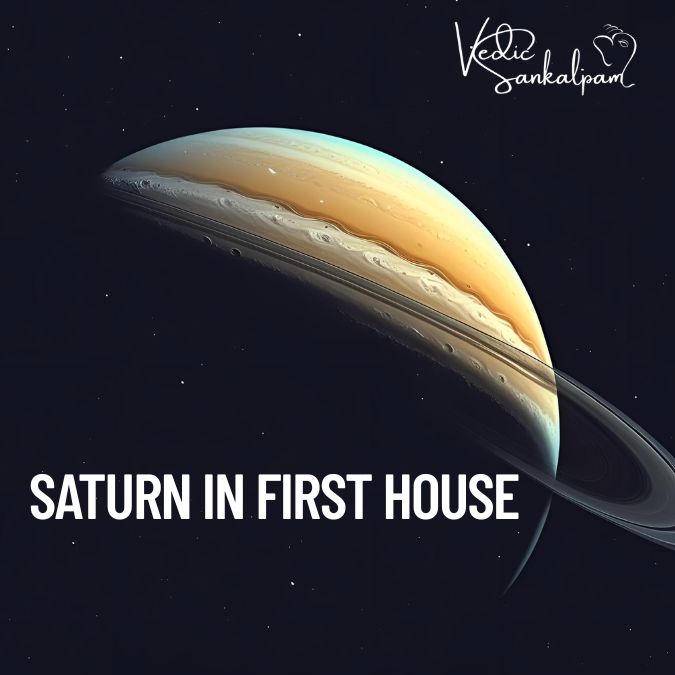
Saturn in First House: Deep Insights into Its Astrological Significance

When Saturn is positioned in the First House of an astrological chart, it casts a long and transformative influence on an individual’s identity, physical appearance, and life approach. The First House represents the self — our body, behavior, and how others perceive us. Saturn, the planet of discipline, karma, and restriction, instills a strong sense of responsibility and structure in this domain.

What Does Saturn in the First House Mean?

Saturn in First House

Saturn’s placement in the First House often signifies a serious, disciplined, and self-controlled personality. People with this placement are likely to be mature beyond their years, introspective, and capable of great endurance. They often come across as reserved, but this exterior hides a determined and deeply ambitious soul.

This placement can also indicate early hardships in life that mold the character. The native may struggle with self-confidence, physical health, or self-expression, especially in youth. However, as Saturn matures, so does the individual. By the mid-thirties, many people with Saturn in the First House find greater confidence and personal stability.

Personality Traits and Behavioral Tendencies

Serious and Responsible Demeanor

Individuals with this placement often appear older than their age, not just in looks but also in temperament. There is a sense of duty and pragmatism that defines their approach to life. They are likely to be methodical, patient, and take long-term planning seriously.

Introverted Nature

Saturn brings a sense of reservation, leading to a quiet and sometimes shy personality. These individuals may find it difficult to open up easily. Their public persona is often that of someone dependable, calm, and perhaps emotionally distant.

Self-Critical Outlook

Saturn’s presence causes the native to have a harsh inner critic. They might set high expectations for themselves and struggle with feelings of inadequacy. This self-critical nature, however, can become a driving force for self-improvement and excellence.

Physical Appearance Influenced by Saturn

Saturn in the First House has a visible impact on physical appearance. These individuals might have:

  • A lean, bony, or tall structure

  • Prominent facial bones or jawline

  • A somber or serious expression

  • An aura of gravity or formality

Their attire may lean towards the formal or conservative, and they often carry themselves with poise and control.

Life Challenges and Saturn’s Tests

Saturn’s placement indicates delayed gratification and karmic lessons. Challenges often arise in areas like:

  • Self-acceptance: Struggling with self-image or feeling “not good enough”

  • Relationships: Reserved nature can make socializing difficult

  • Health: Potential chronic conditions or frailty in early life

  • Fear of failure: Hesitancy to take risks due to fear of not succeeding

Yet, these struggles are not permanent. With time, Saturn rewards those who are patient and persevering. Resilience is the true gift Saturn imparts in this house.

Career and Professional Growth

Professionally, individuals with Saturn in the First House tend to thrive in structured environments. They are not impulsive; rather, they prefer to work through strategy and long-term planning. Suitable career fields include:

  • Government and public administration

  • Engineering and architecture

  • Research and science

  • Corporate leadership

  • Law and judiciary

They often earn success slowly but steadily. Their work is marked by precision, responsibility, and reliability.

Saturn’s Retrograde in the First House

When Saturn is retrograde in the First House, its influence turns inward. The native becomes even more introspective, with a heightened sense of self-doubt and inner pressure. This can lead to:

  • Excessive self-analysis

  • Difficulty asserting themselves

  • Suppressed emotions

However, it also grants incredible depth of understanding and a strong moral compass. It challenges the native to master inner fears and grow through internal discipline.

Saturn Return and Its Profound Impact

The Saturn Return, occurring around age 28–30 and again around 58–60, is a crucial period for those with Saturn in the First House. It marks a major life transition and demands accountability.

During this time, individuals are forced to confront their identity — shedding outdated self-concepts and embracing personal responsibility. It can be a difficult period, but also one of immense growth and self-realization.

Saturn in First House by Zodiac Sign

The specific traits of Saturn in the First House vary depending on the zodiac sign on the Ascendant:

  • Aries Ascendant: Discipline meets aggression; struggle with asserting self vs. controlling impulses.

  • Taurus Ascendant: Practical and stoic; values security, may appear rigid.

  • Gemini Ascendant: Restrained communication; intellectual seriousness.

  • Cancer Ascendant: Emotional control; protective and cautious.

  • Leo Ascendant: Reserved leadership; strong sense of responsibility towards public image.

  • Virgo Ascendant: Perfectionist tendencies; detail-oriented personality.

  • Libra Ascendant: Serious in relationships; diplomatic but emotionally distant.

  • Scorpio Ascendant: Intense and strategic; internalizes fears.

  • Sagittarius Ascendant: Restrained optimism; philosophical maturity.

  • Capricorn Ascendant: Strong manifestation of Saturn’s energy; ambitious and composed.

  • Aquarius Ascendant: Innovative yet disciplined; social ideals grounded in realism.

  • Pisces Ascendant: Sensitive but guarded; spiritual yet skeptical.

Remedies for Saturn in the First House

To balance Saturn’s heavy energy, various astrological remedies and lifestyle changes can be adopted:

  • Wearing blue sapphire (Neelam) after proper astrological consultation

  • Chanting the Shani mantra: “Om Sham Shanicharaya Namah”

  • Observing fasts on Saturdays

  • Donating black items, sesame seeds, or iron

  • Practicing yoga and meditation for inner calm

  • Surrounding oneself with positive mentors and disciplined routines

These remedies don’t eliminate Saturn’s influence but help align with its higher vibration — discipline, structure, and spiritual growth.

Famous Personalities with Saturn in the First House

Several renowned individuals have Saturn placed in the First House, symbolizing that this position, though challenging, can lead to greatness:

  • Mahatma Gandhi: Discipline and non-violence as guiding principles

  • Barack Obama: Composure and calculated leadership style

  • Angelina Jolie: Reserved demeanor with a strong moral foundation

Their success is a testament to Saturn’s ability to mold strength through struggle.

Final Thoughts: Embracing Saturn’s Gift

Having Saturn in the First House is not a curse—it is a calling. A call to rise above insecurity, to build a strong foundation for the self, and to manifest greatness through persistence, humility, and hard work. Though the road may be slow and fraught with trials, the ultimate destination is wisdom, maturity, and enduring success.

Understanding the Difference Between Lagna and Rashi in Vedic Astrology

Vedic astrology, a profound system rooted in ancient Indian wisdom, revolves around the interplay of celestial bodies and their impact on human life. Two foundational concepts in this system are Lagna (Ascendant) and Rashi (Moon Sign). Although both are essential for a complete astrological analysis, they serve very different purposes and meanings. Understanding the difference between Lagna and Rashi is critical for anyone seeking deeper insight into their astrological chart.


What is Lagna (Ascendant)?

Lagna, also known as the Ascendant, refers to the zodiac sign that was rising on the eastern horizon at the exact moment of your birth. It changes roughly every two hours, making it extremely time-sensitive and location-dependent.

Key Characteristics of Lagna:

  • Represents the Self: Lagna symbolizes the physical body, personality, and general approach to life.

  • Determines the House Positions: It sets the starting point of the 12 houses in the birth chart, shaping how planets influence various areas like wealth, career, health, and relationships.

  • Rules Physical Appearance and Temperament: The rising sign can deeply influence how a person looks and behaves.


What is Rashi (Moon Sign)?

Rashi refers to the zodiac sign where the Moon is placed at the time of birth. Since the Moon takes approximately 2.5 days to transit a sign, the Moon sign is less sensitive to birth time than Lagna but remains a vital aspect of astrological interpretation.

Key Characteristics of Rashi:

  • Represents the Mind: Rashi governs the emotional makeup, instincts, and mental disposition.

  • Used in Traditional Vedic Astrology: Rashi is critical in Nakshatra analysis, Dasha periods, and matching for marriage.

  • Affects Emotional Reactions: It indicates how one processes feelings, reacts to emotional stimuli, and nurtures inner needs.


Major Differences Between Lagna and Rashi

Aspect Lagna (Ascendant) Rashi (Moon Sign)
Definition Zodiac sign rising in the east at birth Zodiac sign occupied by the Moon at birth
Represents Physical body, personality, outward behavior Mind, emotions, and inner psychology
Sensitivity Highly time and location-specific Less sensitive to exact birth time
Chart Relevance Sets the framework for the 12 houses Important for Dasha and Nakshatra calculations
Primary Focus Actions and decisions Feelings and emotional responses
Used In Daily behavior, health, career, personal growth Mental peace, relationships, emotional well-being

How Lagna and Rashi Work Together in a Natal Chart

While Lagna sets the outer shell of a person—the body, life direction, and worldly interactions—Rashi provides a window into the soul. Together, they give a comprehensive picture of an individual:

  • A person with a Leo Lagna and Cancer Rashi may appear bold and authoritative (Leo), but internally feel emotionally sensitive and protective (Cancer).

  • Someone with a Virgo Lagna and Aries Rashi might act with precision and analysis (Virgo), but emotionally operate with passion and impulsiveness (Aries).

Understanding both signs allows astrologers to accurately predict life events, health trends, career outcomes, and relationship dynamics.


Importance of Lagna in Predictive Astrology

Lagna holds an indispensable role in predictive astrology. Since it governs the first house, it defines the framework for interpreting the entire horoscope.

Why Lagna is Crucial:

  • Planetary Strength: Planets near the Lagna or aspecting it can significantly affect life events.

  • Ascendant Lord: The planet ruling the Lagna (Lagnesh) has a dominating influence on one’s life path.

  • Transit Interpretations: Planetary transits in relation to the Lagna are used to make timely predictions.

For example, if Saturn transits the 7th house from Lagna, it may indicate challenges in relationships or partnerships, regardless of the Moon sign.


Significance of Rashi in Emotional and Psychological Analysis

The Moon governs the mind and intuition, making the Rashi the lens through which the mind perceives the world.

How Rashi Influences Emotional Life:

  • Mental Stability: A strong Moon in a friendly Rashi provides emotional resilience, while a debilitated Moon can lead to mental fluctuations.

  • Relationship Compatibility: Most Kundali matching practices are based on Rashi and Nakshatra analysis, considering emotional harmony as a key to marital success.

  • Dasha Interpretation: The Mahadasha and Antardasha periods are calculated from the Moon’s position, making Rashi essential for timing life events.


Why Both Lagna and Rashi Matter Equally

Neglecting either Lagna or Rashi can lead to incomplete or inaccurate astrological readings. Each plays a unique and complementary role:

  • Lagna = External Life, Physical World, Karma

  • Rashi = Internal Life, Emotional World, Dharma

Astrology’s true depth is revealed when both these elements are harmonized in analysis. For example, a good career opportunity might show up when Jupiter aspects the 10th house from Lagna, but whether the individual feels emotionally satisfied depends on the Rashi and Moon’s dignity.


Case Studies: Understanding the Interaction of Lagna and Rashi

Case 1: Aries Lagna, Scorpio Rashi

  • Behavior: Outgoing, energetic, action-oriented

  • Emotions: Intense, secretive, emotionally guarded

  • Result: May appear bold but deals with inner emotional turmoil

Case 2: Gemini Lagna, Pisces Rashi

  • Behavior: Intellectual, communicative, curious

  • Emotions: Dreamy, idealistic, sensitive

  • Result: Expresses logic outwardly but driven by inner romanticism

These combinations help astrologers tailor remedies and guidance more effectively.


Conclusion: The Holistic View of Lagna and Rashi

In the vast ocean of Vedic astrology, Lagna and Rashi are the two oars that navigate the ship of personal destiny. Understanding the difference between Lagna and Rashi enables a more accurate and balanced interpretation of life’s possibilities and challenges.

When combined, they offer unparalleled insights into both the external circumstances and internal responses, helping individuals lead more self-aware and purposeful lives.

Chandra Grahan 2025: Effects on Indian Astrology

In India, celestial events like Chandra Grahan (Lunar Eclipse) are not just astronomical phenomena but also hold deep astrological significance. According to Vedic astrology, eclipses are powerful events that can influence human lives, behavior, and the environment. The Chandra Grahan 2025 is no exception, and its effects are expected to be felt across various aspects of life. In this article, we’ll explore the astrological significance of Chandra Grahan 2025, its impact on different zodiac signs, and the rituals to mitigate its effects.


What is Chandra Grahan?

Chandra Grahan, or Lunar Eclipse, occurs when the Earth comes between the Sun and the Moon, casting a shadow on the Moon. This celestial event can only happen during a full moon and is visible from the night side of the Earth. In Vedic astrology, eclipses are considered significant as they are believed to influence the energies of the planets and, consequently, human lives.


Chandra Grahan 2025: Key Details

1. March 14, 2025 – Total Lunar Eclipse

  • Visibility in India: This eclipse will not be visible in India as it will occur during the daytime.
  • Timings (UTC):
    • Penumbral Eclipse Begins: 04:57 UTC
    • Partial Eclipse Begins: 06:09 UTC
    • Total Eclipse Begins: 07:26 UTC
    • Maximum Eclipse: 07:59 UTC
    • Total Eclipse Ends: 08:31 UTC
    • Partial Eclipse Ends: 09:48 UTC
    • Penumbral Eclipse Ends: 11:00 UTC

2. September 7, 2025 – Total Lunar Eclipse

  • Visibility in India: This eclipse will be partially visible in India.
  • Timings (IST – Indian Standard Time):
    • Penumbral Eclipse Begins: 20:58 IST (September 7)
    • Partial Eclipse Begins: 22:06 IST
    • Total Eclipse Begins: 23:23 IST
    • Maximum Eclipse: 23:49 IST
    • Total Eclipse Ends: 00:15 IST (September 8)
    • Partial Eclipse Ends: 01:32 IST
    • Penumbral Eclipse Ends: 02:40 IST

Astrological Significance of Chandra Grahan

Chandra Grahan 2025
Chandra Grahan 2025

1. Rahu and Ketu: The Shadow Planets

In Vedic astrology, eclipses are associated with Rahu and Ketu, the shadow planets. Rahu and Ketu are considered karmic indicators, and their influence during eclipses is believed to bring about significant changes and transformations.

2. Impact on Zodiac Signs

The effects of Chandra Grahan vary depending on the zodiac sign in which it occurs. In 2025, the eclipses will take place in the signs of Virgo and Pisces, influencing the lives of individuals based on their moon signs.

3. Karmic Cleansing

Eclipses are seen as opportunities for karmic cleansing and spiritual growth. They bring hidden issues to the surface, allowing individuals to address and resolve them.


Effects of Chandra Grahan 2025 on Zodiac Signs

1. Aries (Mesha)

  • Impact: Focus on health and daily routines.
  • Advice: Avoid unnecessary risks and take care of your well-being.

2. Taurus (Vrishabha)

  • Impact: Changes in relationships and creative pursuits.
  • Advice: Communicate openly with loved ones and embrace new opportunities.

3. Gemini (Mithuna)

  • Impact: Shifts in home and family life.
  • Advice: Spend quality time with family and address any unresolved issues.

4. Cancer (Karka)

  • Impact: Increased focus on communication and learning.
  • Advice: Pursue new knowledge and express yourself clearly.

5. Leo (Simha)

  • Impact: Financial changes and material gains.
  • Advice: Manage your finances wisely and avoid impulsive decisions.

6. Virgo (Kanya)

  • Impact: Personal transformation and self-discovery.
  • Advice: Embrace change and focus on personal growth.

7. Libra (Tula)

  • Impact: Spiritual growth and introspection.
  • Advice: Meditate and reflect on your life’s purpose.

8. Scorpio (Vrishchika)

  • Impact: Changes in social circles and friendships.
  • Advice: Strengthen meaningful connections and let go of toxic relationships.

9. Sagittarius (Dhanu)

  • Impact: Career advancements and professional growth.
  • Advice: Set clear goals and work diligently towards them.

10. Capricorn (Makara)

  • Impact: Expansion of knowledge and travel opportunities.
  • Advice: Explore new horizons and broaden your perspective.

11. Aquarius (Kumbha)

  • Impact: Emotional and financial transformations.
  • Advice: Stay grounded and make informed decisions.

12. Pisces (Meena)

  • Impact: Relationship dynamics and partnerships.
  • Advice: Foster harmony and understanding in your relationships.

Rituals and Remedies for Chandra Grahan 2025

1. Fasting

  • Many people observe a fast during the eclipse to purify the body and mind.

2. Meditation and Prayer

  • Meditate and chant mantras like the Mahamrityunjaya Mantra to seek divine protection.

3. Charity

  • Donate food, clothes, or money to the needy to mitigate the negative effects of the eclipse.

4. Avoid Negative Activities

  • Refrain from starting new ventures, making important decisions, or engaging in conflicts during the eclipse.

5. Bathing After the Eclipse

  • Take a ritual bath after the eclipse to cleanse yourself of negative energies.

Scientific Perspective on Chandra Grahan

While the astrological significance of Chandra Grahan is deeply rooted in tradition, it’s also important to understand the scientific aspects:

  1. Lunar Phases: A lunar eclipse occurs during a full moon when the Earth blocks sunlight from reaching the Moon.
  2. Red Moon Phenomenon: The Moon turns red during a total lunar eclipse due to Rayleigh scattering of sunlight through the Earth’s atmosphere.
  3. Frequency: Lunar eclipses occur about two to four times a year, but total lunar eclipses are less frequent.

Conclusion

The Chandra Grahan 2025 is a significant celestial event with profound astrological implications. Whether you believe in its spiritual significance or are simply fascinated by the science behind it, this eclipse offers an opportunity for reflection, growth, and transformation. By understanding its effects on your zodiac sign and following the recommended rituals, you can navigate this period with positivity and grace.

Mark your calendars for the September 7, 2025 eclipse, and embrace the cosmic energies to enhance your life’s journey.